At a Glance
The DJ switched from a syrupy Prince Royce remix to a frantic Antony Santos track, and the floor split. Close embraces broke into open-hold footwork, laughter erupting. I stood frozen. It was the same eight-count, but the dance was a foreign language. That was the night I learned bachata isn’t one dance.
The Fork in the Road: How One Dance Became Three
Bachata was born in the working-class barrios of the Dominican Republic, a dance of heartbreak and community passed down at family gatherings. For decades, it stayed local. When the music finally went global in the ’90s and 2000s, the dance evolved, splitting into distinct dialects as it crossed the Atlantic.
What most of the world learns today is a style that was codified in Spain, adapted for a new generation of music and a different kind of dance floor. The original form, however, never went away. It just stayed closer to home, thriving in places with deep Dominican roots. This divergence created the three families you see today.
The Three Styles You’ll See on the Floor
While every dancer has their own personal flair, nearly everything you’ll encounter on a social floor falls into one of three main categories. They feel different, they connect to different parts of the music, and they tell different stories with the body.
| Style | Vibe | Key Moves | Core Music |
|---|---|---|---|
| Dominican | Playful, rhythmic | Fast footwork, taps, syncopation | Antony Santos, Raulin Rodriguez |
| Sensual | Intimate, fluid | Body waves, head rolls, close embrace | Romeo Santos, Prince Royce, Dani J |
| Modern | Performative, fusion | Dips, shadow positions, tricks | DJ Tronky, Bachata Remixes |
Dominican Bachata (The Original)
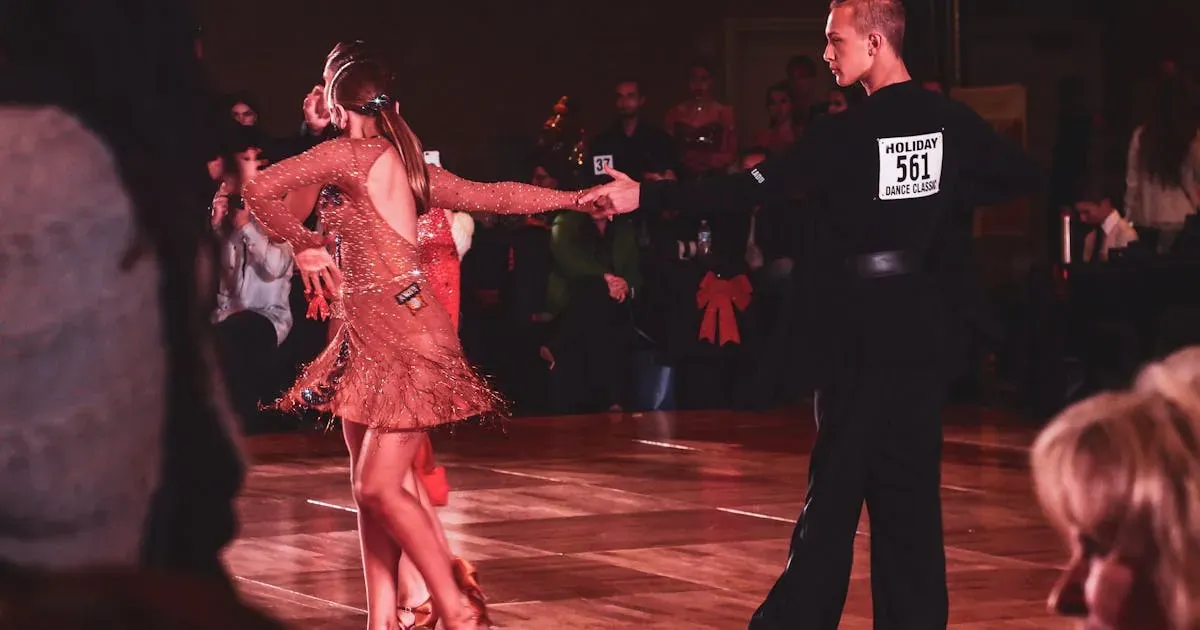
This is the source. Dominican bachata is a conversation held in the feet. It’s playful and grounded, with a more open hold that gives both partners space to improvise. The focus is on intricate footwork, syncopated taps, and quick changes in direction that mirror the sharp sounds of the bongos and guitar. It’s danced to the faster, classic tracks that are the heart of the genre. For a deep dive, see the scene in its birthplace, Santo Domingo.
Sensual Bachata (The Global Standard)
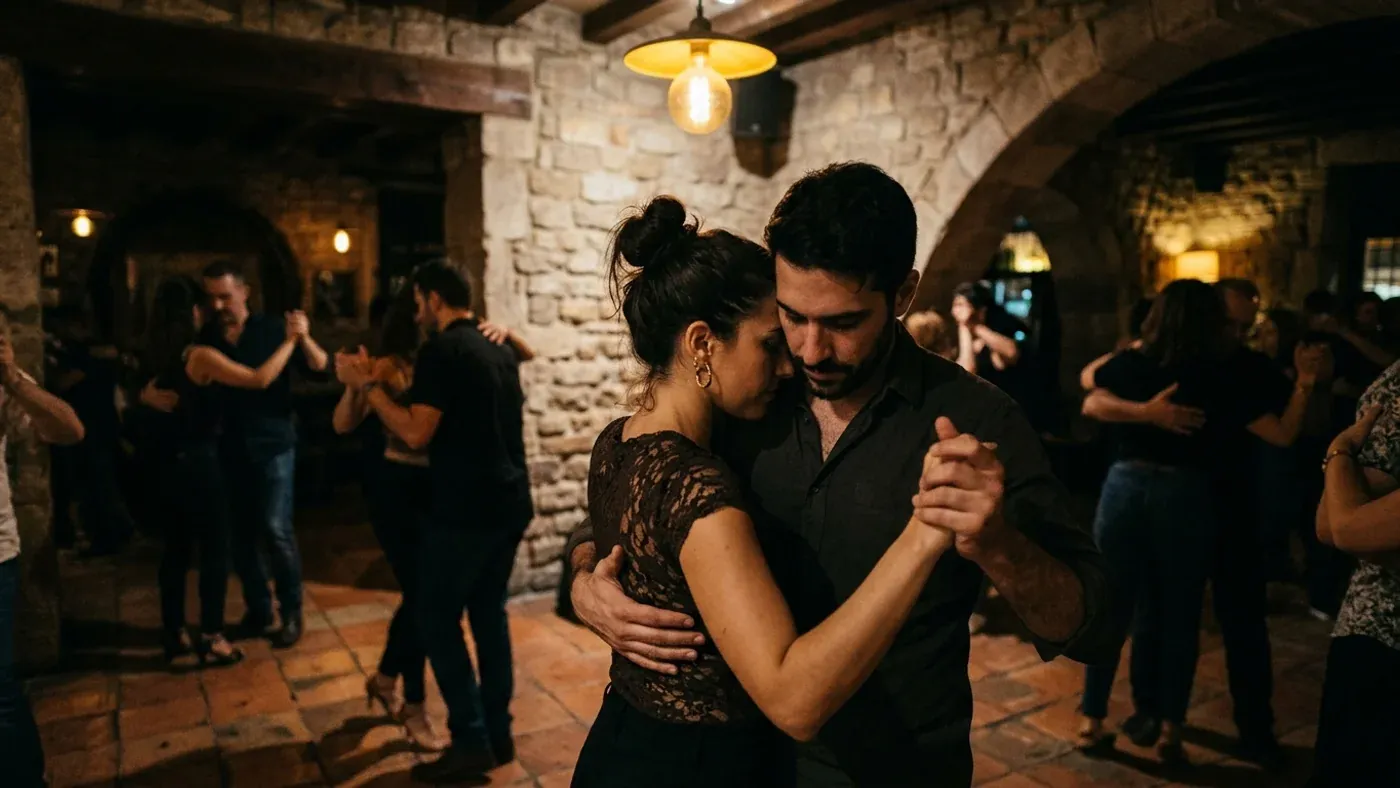
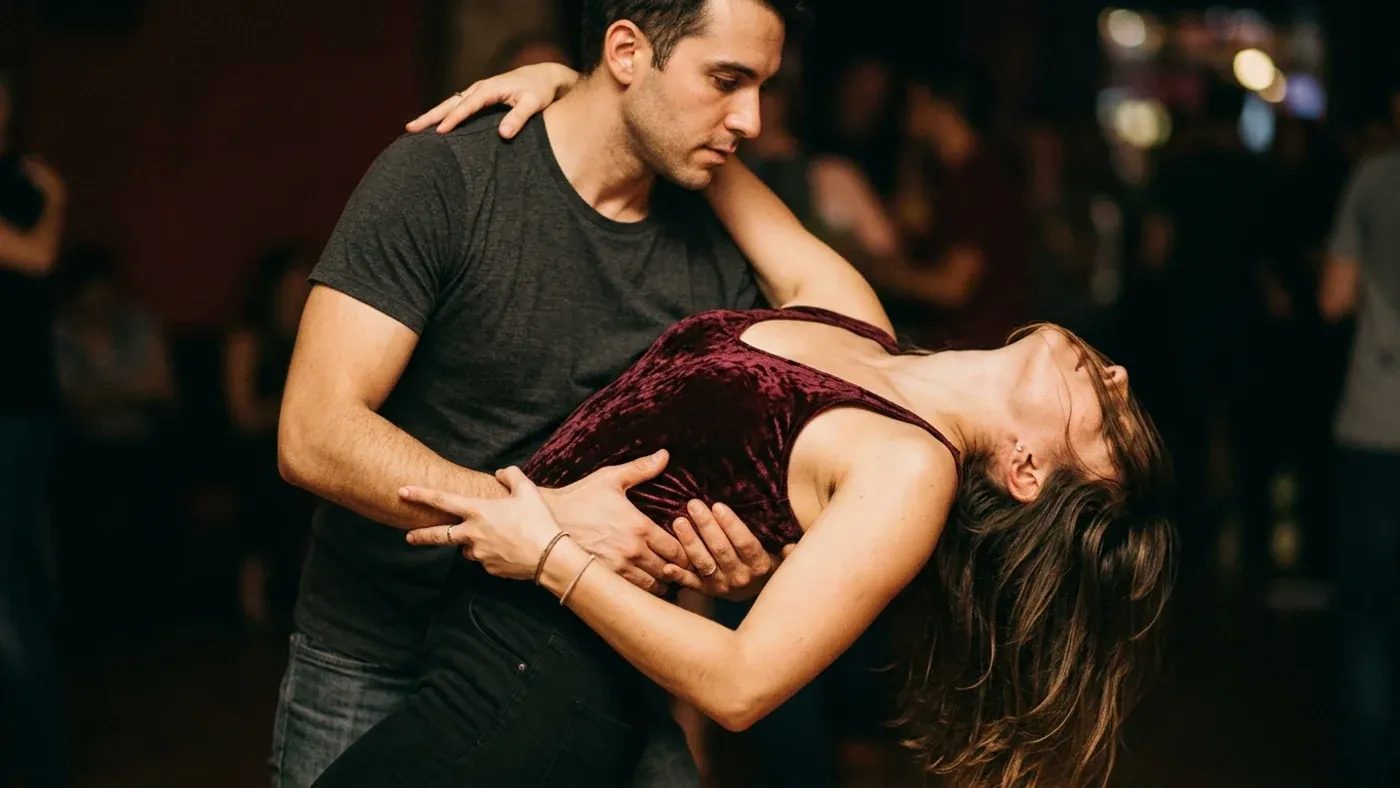
Born in Cádiz, Spain, in the mid-2000s, Sensual is the style that took over the world. It trades intricate footwork for fluid body movement. The signatures are body waves, chest and hip isolations, head rolls, and a deep, connected close embrace. It’s built for the slow, melodic, and often pop-infused bachata that dominates radio and festival playlists. This is the style that defines the dance floors of Madrid and Barcelona.
Modern Bachata (The Fusion)
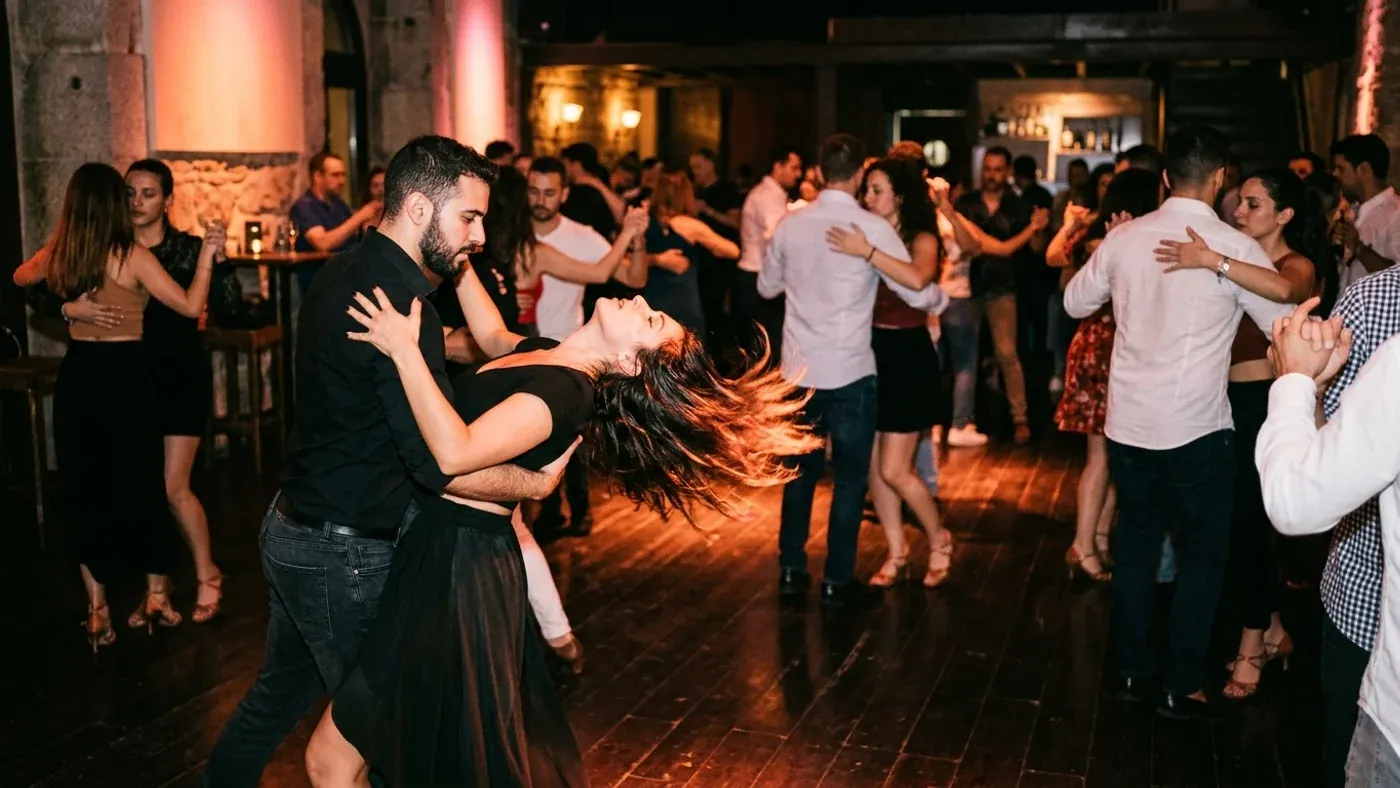
Modern, or Urban, bachata is a creative hybrid. It blends the basic step with elements from other dances like hip-hop, contemporary, and zouk. You’ll see more shadow positions, complex turn patterns, and impressive dips and tricks. It’s visually dynamic and popular in workshops and performances. On the social floor, the best Modern dancers know how to blend the flash with a solid, comfortable lead, saving the big tricks for the right moment.
Is the Basic Step Really the Same?
Yes, and that’s the key that unlocks the entire dance. The three-steps-and-a-tap pattern is the shared DNA. A dancer from any style can find the beat and share a dance with another. The rhythm is universal. This common ground means you’re never truly starting from zero when you explore a new style.
What changes is the ‘grammar’, the hold, the posture, and the musical interpretation. A Sensual dancer might focus on the melody or the singer’s voice, while a Dominican dancer is listening intently to the percussion. Learning to hear the music through these different filters is what makes you a versatile and adaptable dancer.
Where to See Each Style in Action
To see the styles in their natural habitat, you have to travel. While most international scenes lean heavily towards Sensual, you can find pockets of everything if you know where to look. The dance floors of New York are rich with Dominican tradition, while nearly all of the best bachata cities in Europe are powered by Sensual.
Festivals, however, are the ultimate melting pot where all three styles collide. In a single weekend, you can take a Dominican footwork workshop in the afternoon, dance Sensual until 3 a.m., and watch a stunning Modern performance on the main stage. They are the best way to get a concentrated dose of the entire bachata universe.
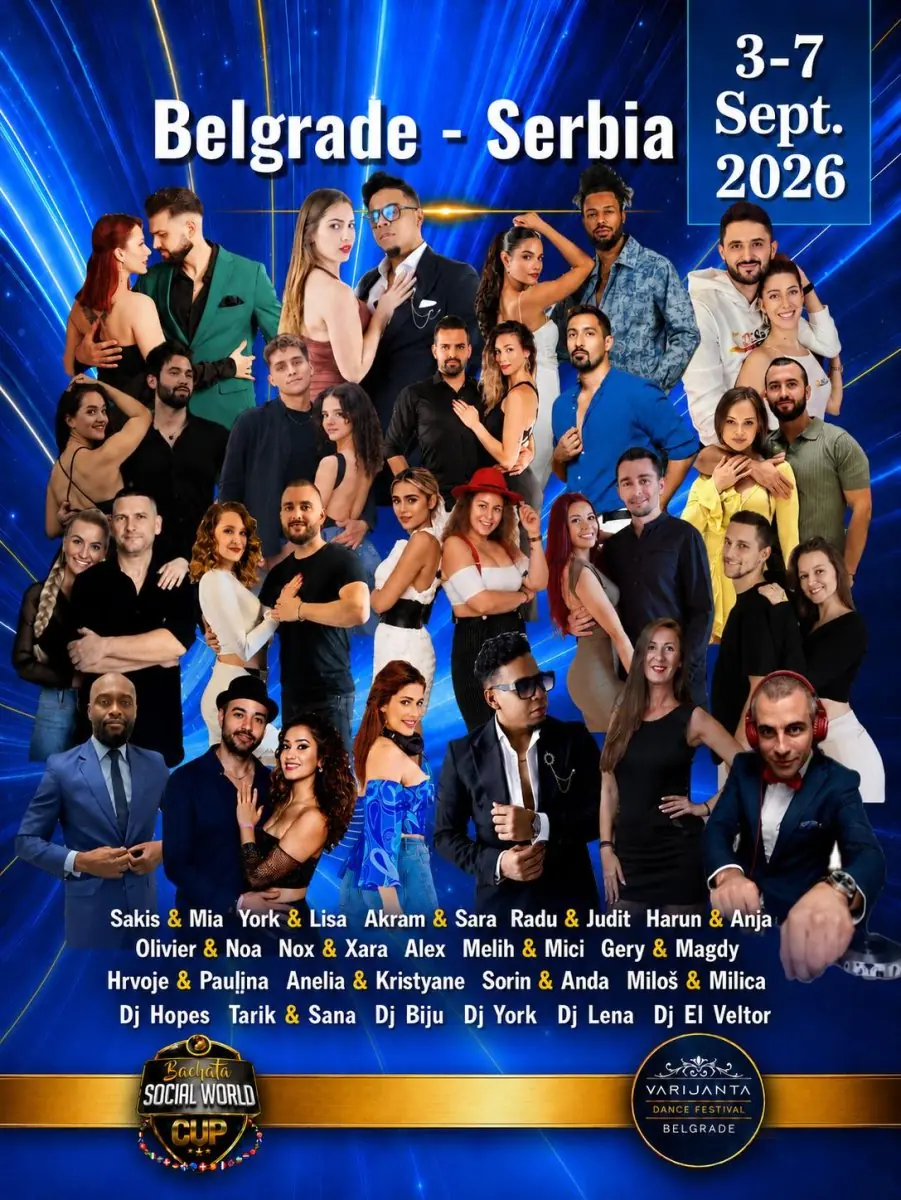
- SEP3
- SEP3Varijanta Dance Festival BelgradeBachataKizomba
- SEP4Prishtina Dance Festival 2026BachataSalsa
- SEP4
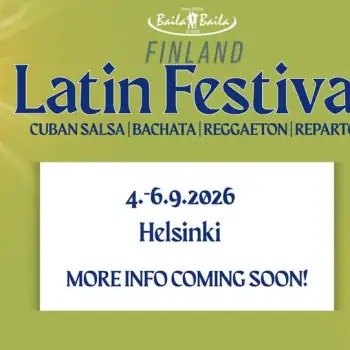
- SEP4Finland Latin Festival 4SalsaBachataKizomba
- SEP4

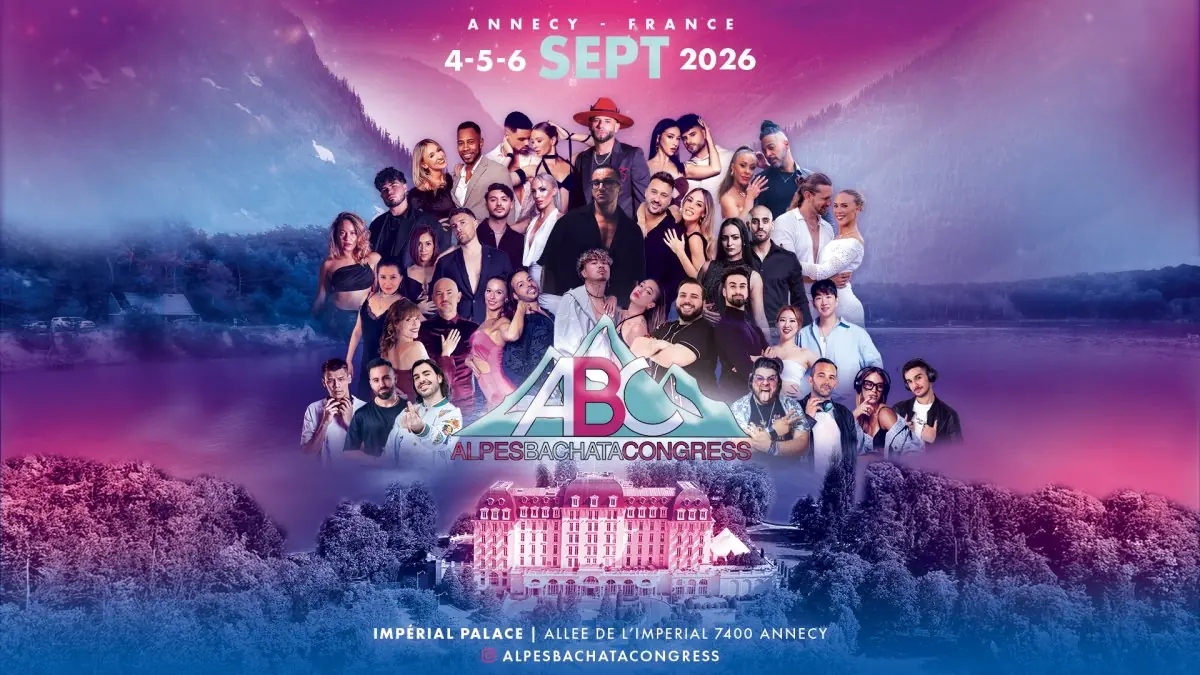
Gear for the floor
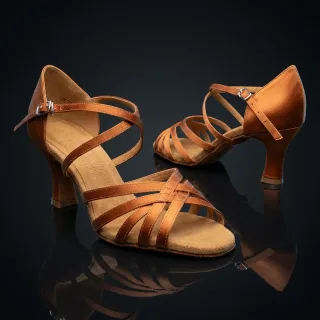
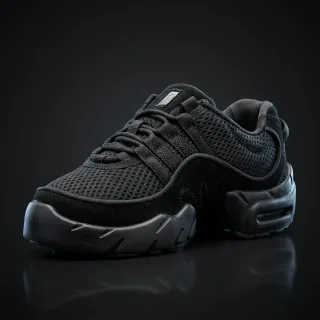
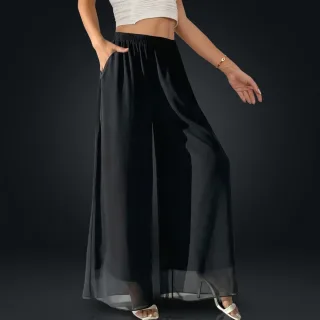
Affiliate link
Finding Your First (or Next) Style
If you’re just starting, the best advice is simple: learn what’s danced around you. A thriving local scene is your best classroom. You can’t learn from a YouTube video what you can learn from dancing with a hundred different people. Once your basic is solid, you can start to explore.
Let your personality guide you. If you love rhythm and improvisation, seek out Dominican workshops. If you crave a deep, meditative connection, double down on Sensual. If you love performance and pushing boundaries, find a Modern class. The goal isn’t to pick one forever, but to build a toolkit that lets you enjoy any song, with any partner, anywhere in the world.
Browse bachata events worldwide