At a Glance
This guide contains affiliate links. As an Amazon Associate, we earn from qualifying purchases at no extra cost to you. Our recommendations are based on real dance floor testing.
The wrong shoes make a bachata social feel like a fight against the floor. I once wore trainers and spent three hours catching the rubber edge on every turn, nearly twisting a knee. The right pair feels like an extension of your foot, releasing into a slide just when you need it.
How Bachata Moves Your Feet Differently
Salsa is linear, all quick pivots in a tight slot. Bachata is different. It moves sideways. The basic step, the body rolls, the hip waves, they all demand a shoe that can glide laterally. A full suede sole is your best friend here, offering a controlled slide that a small spin-spot shoe can’t match.
Then there are the dips. Sensual bachata transfers your weight in ways that can make your foot slide inside the shoe, risking a rolled ankle. This is why a secure lockdown is non-negotiable. Look for ankle straps, T-straps, or snug lacing systems. Finally, most followers find a lower heel, around 1.5 to 2.5 inches, feels best for the deep knee bends bachata requires.
The Bachata Shoe Buying Checklist
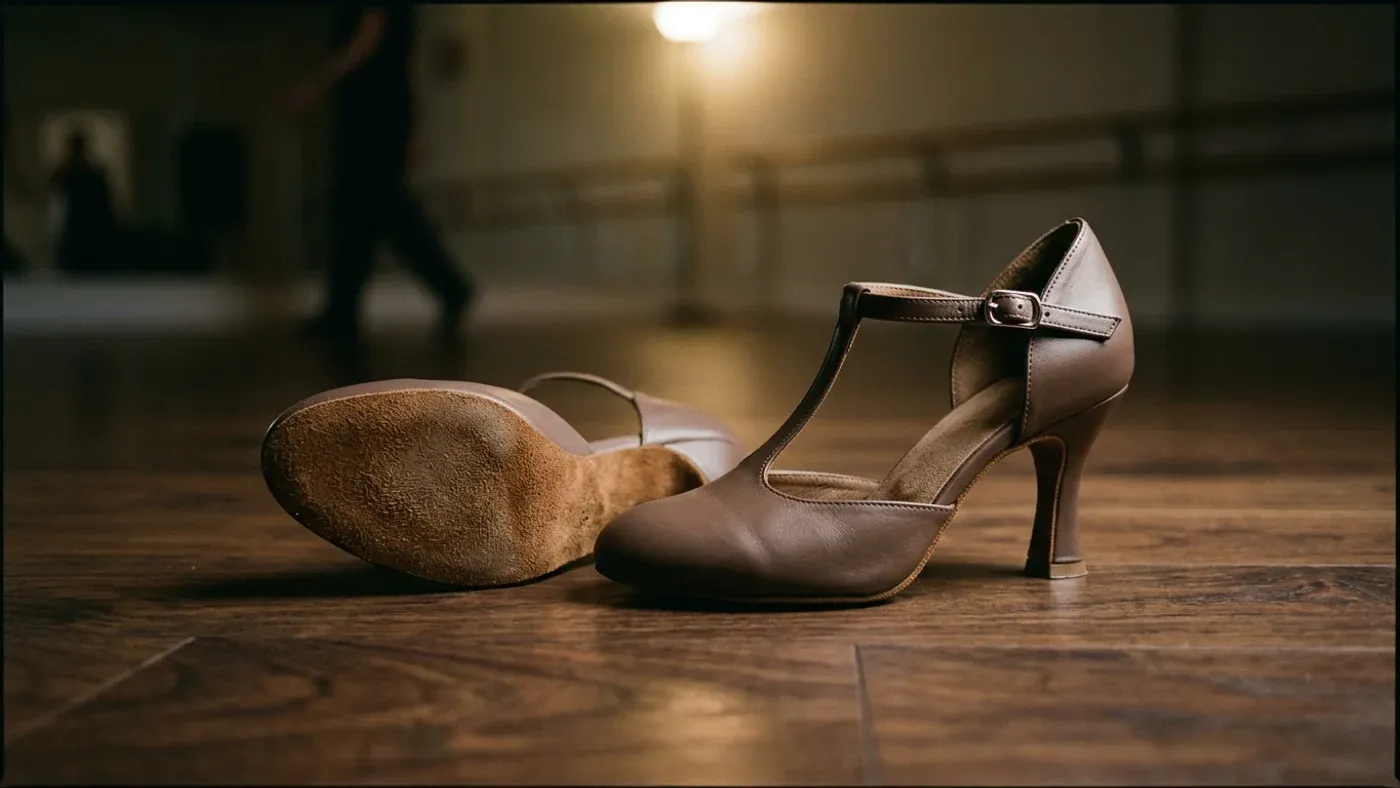
A bad pair of shoes is a waste of money and a potential injury. Before you buy, check for four things: the sole, the flexibility, the heel, and the fit. The sole must be suede for dancing on proper floors, never rubber, which sticks and strains your knees. Leather is a secondary option, but wears faster.
Flexibility is key for bachata’s fluid footwork. Bend the shoe; the forefoot should fold easily, and the arch should be supportive but not rigid. For heel shape, block or flared heels offer more stability than stilettos, which is crucial for balance during complex partnerwork. Lastly, your foot cannot shift inside the shoe. A snug fit with a reliable closure is essential for safety and control.
Best Bachata Shoes by Category
After years on dance floors from Madrid to Paris, I’ve seen what lasts and what doesn’t. Here are the categories that matter, with recommendations for shoes that consistently perform.
Best Overall Heel for Followers
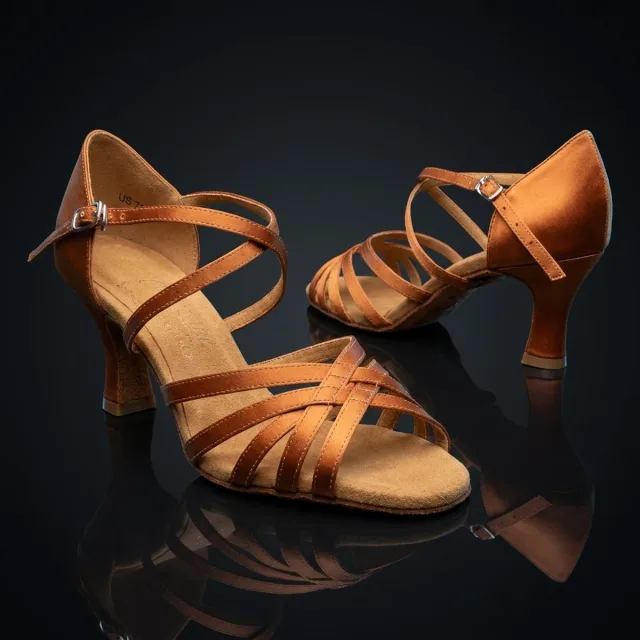
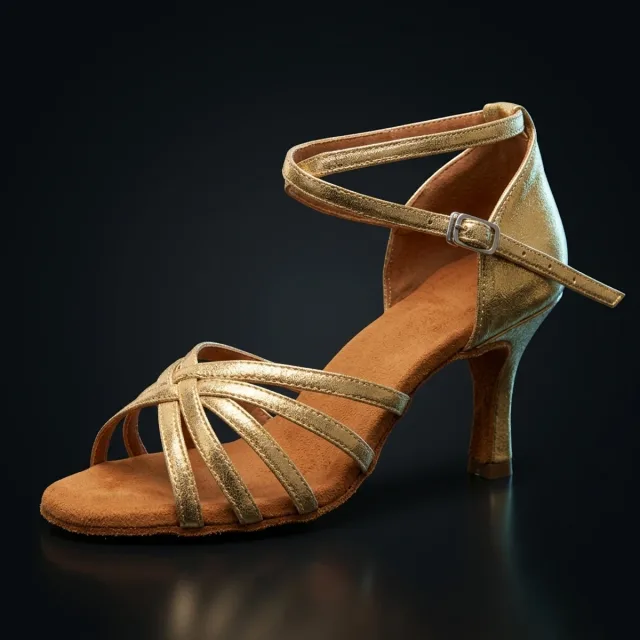
If you buy only one pair, make it a 2 to 2.5-inch suede-soled Latin heel with a secure ankle strap. This setup is versatile enough for socials, workshops, and festivals. The ankle strap is vital for support during dips and tricks. The Very Fine Elektra is a classic in this category, known for its comfort and durability. Expect to budget $70 to $100 for a quality pair that will last.
Best Budget Heel for Followers
For those new to bachata, brands like MSMAX offer a solid entry point in the $25 to $45 range. They provide a genuine suede sole and secure strap, making them a good value for your first pair. They won’t have the longevity of premium brands, but they’re an honest starting point to get you on the floor without a huge investment.
Best Dance Sneaker for All-Night Comfort
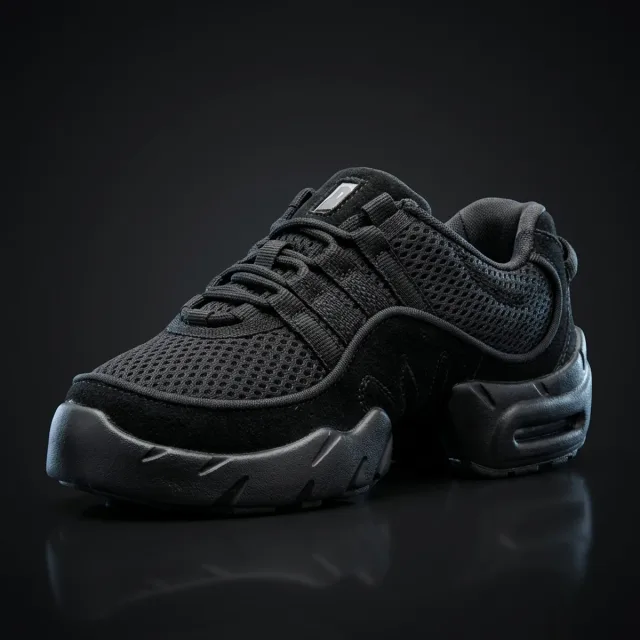
For long workshops or if you simply prefer flats, a split-sole dance sneaker is your workhorse. They offer cushioning for hours of dancing and suede pads for clean spins. Brands like Bloch and Capezio are reliable choices here. Look for models with breathable uppers like mesh, which makes a huge difference during a sweaty summer social. The Pulse dance sneaker, our top pick in the salsa shoe roundup, is equally at home at a bachata social.
Best Shoe for Leads
Leads need a smooth sole (leather or suede), a snug fit, and flexibility. A low 1 to 1.25-inch heel helps with posture and weight distribution. The Capezio SD103 is a common sight on experienced leads; it looks like a dress shoe but functions like a dance shoe. For a more casual feel, dance sneakers are also an excellent choice.
Heels vs. Dance Sneakers: The Honest Breakdown
This is the most common question from new followers. The truth is, most dedicated dancers I know own both. One isn’t better, they just serve different purposes. Heels are for the aesthetic and the specific feeling of connection, while sneakers are for endurance and comfort.
| Choose... | Heels | Dance Sneakers |
|---|---|---|
| Vibe | Elegant, classic Latin line | Casual, athletic, modern |
| Best For | Socials, performances, sensual style | Workshops, long nights, urban styles |
| Pros | Great aesthetics, encourages good posture | Superior comfort, better for footwork, safer for beginners |
| Cons | Can cause fatigue, less stable | Less formal look, can feel less connected to the floor |
If you’re just starting, I’d suggest beginning with dance sneakers. They are more forgiving while you’re building ankle strength and learning technique. You can always add a pair of heels to your collection later. For more city-specific advice, check out our guides to dancing in Barcelona or New York.
How to Make Your Shoes Last
A $90 pair of shoes can last two years with care, or four months with neglect. The rules are simple but non-negotiable. First, never wear suede soles outdoors. Moisture and grit will ruin the texture permanently. Second, use a wire brush to clean the suede before every dance session to restore its nap and grip.
Always carry your shoes in a dedicated, breathable bag, not tossed in with sweaty clothes. After dancing, let them air out completely to prevent bacteria and odor. If you dance multiple times a week, rotating between two pairs will significantly extend the life of both. Finally, a local cobbler can often replace a worn-out suede sole for a fraction of the cost of new shoes.