At a Glance
This guide contains affiliate links. As an Amazon Associate, we earn from qualifying purchases at no extra cost to you. Our recommendations are based on real dance floor testing.
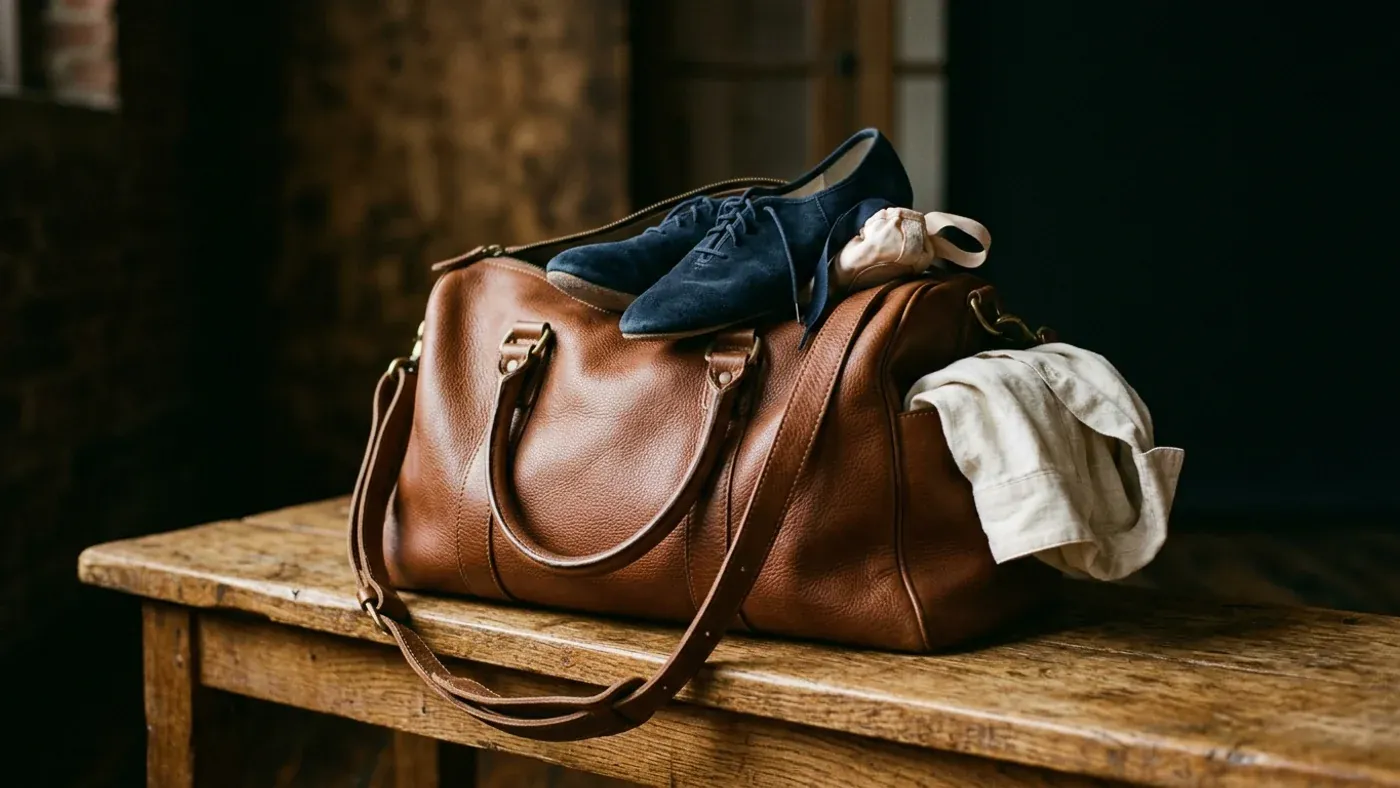
My first dance bag was a supermarket tote. The handle snapped mid-commute three weeks in, dropping my water bottle directly onto my suede-soled shoes. It was a damp, sticky lesson. A proper bag is the most underrated piece of gear in a dancer’s life, and this is the guide I wish I’d had.
What Makes a Dance Bag Different?
A dance bag isn’t a fashion statement. It’s a tool that solves recurring problems for a social dancer. Unlike a standard gym bag, it’s built around protecting your most important equipment, your shoes. Suede soles are delicate; moisture and dirt ruin their ability to glide. A dedicated, ventilated shoe compartment is non-negotiable.
It also masters the art of separation. You arrive fresh but leave soaked. A bag with a waterproof pocket for your damp shirt keeps it from mingling with your wallet, keys, and snacks. Add in smart internal pockets for essentials, and you have a piece of gear that brings order to the beautiful chaos of a dance night.
The Dancer’s Packing Checklist
Over a decade of dancing in cities like Berlin and Paris, my packing list has been refined to three levels. The essentials are non-negotiable. The upgrades make every night better. The festival gear prepares you for a full weekend immersion.
| Item | Why It Matters |
|---|---|
| Dance shoes (in a bag) | Protects suede soles from dirt and moisture. |
| Backup shirt | The best way to feel fresh after the first hour. |
| Small towel | For your hands, face, or neck. A lifesaver. |
| Deodorant & mints | Because you'll be dancing close to people all night. |
| Water bottle | Venue water is expensive and often hard to get. |
For a full day of workshops, add snacks like a protein bar and a notebook, you won’t remember that combo later. For a multi-day festival, pack a portable charger, blister plasters, and at least two pairs of dance shoes to allow one pair to fully dry out each night. This is especially true for the massive events on the salsa festival calendar.
How to Choose Your Bag
Think of this as a spec sheet. A great dance bag balances durability, organization, and comfort. The material should be water-resistant, ripstop nylon or coated polyester can handle a sudden downpour on the way to the venue. Check that the zippers are robust (YKK is a good sign) and that the stitching is reinforced where the straps meet the body.
Comfortable straps are crucial. For a backpack, look for padded shoulder straps and a padded back panel. For a duffel, a wide, adjustable cross-body strap prevents it from digging into your shoulder. The bag’s size should match your routine; carrying a huge festival bag to a 2-hour weeknight social is overkill. An empty weight under 1kg is ideal for daily use.
| Capacity | Best For | What It Holds |
|---|---|---|
| 15–25 Litres | Weekday Socials | Shoes, one change of clothes, essentials. |
| 25–35 Litres | Workshops | Shoes, extra clothes, notebook, large water bottle. |
| 35–50 Litres | Festival Travel | Multiple shoes, outfits, toiletries, travel gear. |
The Best Dance Bags by Category
Rather than recommend a specific model that might disappear next season, here are the categories of bags that consistently serve dancers well. You can find excellent options from both dance-specific brands like Capezio and Bloch and durable outdoor brands like Osprey or Patagonia.
Best Overall: The All-Rounder Backpack
This is your workhorse for 3-4 nights a week. You want a 20-30 litre backpack with a separate, ventilated shoe compartment at the bottom. This layout keeps the shoe weight low and stable against your back and lets them breathe. Dance-specific brands excel here, often in the $40–$70 range. An outdoor daypack also works beautifully if you use a separate shoe bag inside.
Best for Travel: The Carry-On Duffel
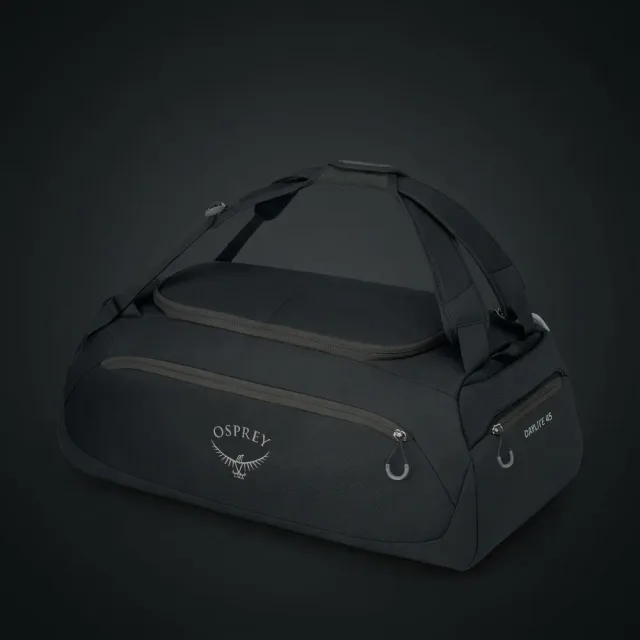
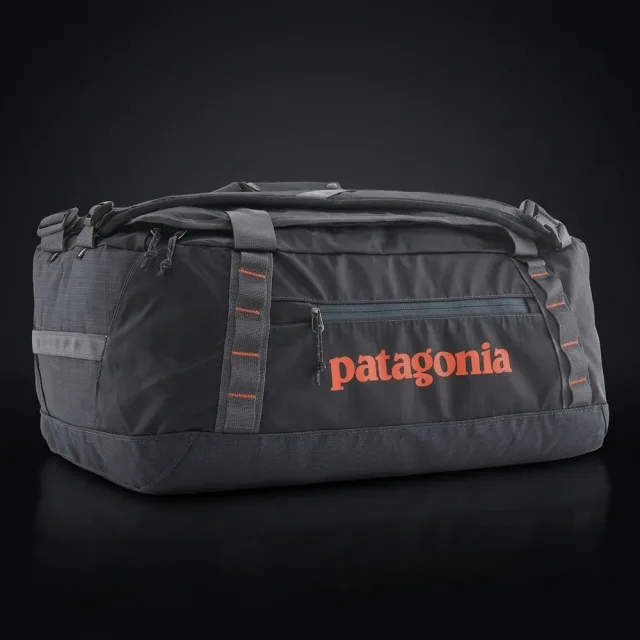
For festival weekends, you need more space. A 35-50 litre duffel or travel backpack that meets carry-on size restrictions is perfect. Look for one that opens like a suitcase for easy access in a hotel room. These often have multiple compartments for organization and compression straps to keep everything locked down. Expect anywhere from well under $100 to about $180 for a quality travel pack that will last for years. Two duffels that fit this brief are the Osprey Daylite 45 and the Patagonia Black Hole 40L.
Best for Aesthetics: The Structured Tote
If you go straight from a nice dinner to the social, a sporty backpack can clash with your outfit. A structured tote made from leather or a high-quality vegan alternative offers a more elegant look. The key is “structured”, a rigid base prevents it from slumping. You’ll need to add your own shoe bag and pouches inside to stay organized.
Keeping Your Gear Fresh
Your bag only smells if you let it. The golden rule: empty it after every single use. Never, ever leave a sweaty shirt in a zipped-up bag overnight. Let the bag air out. Once a week, wipe the interior of the shoe compartment with a damp cloth. This simple routine is all it takes.
Another trick is to keep a permanent “essentials pouch” inside, a small zip bag with plasters, ibuprofen, safety pins, hair ties, and a suede brush. You only have to restock it once a month, but it’s always there when you need it.
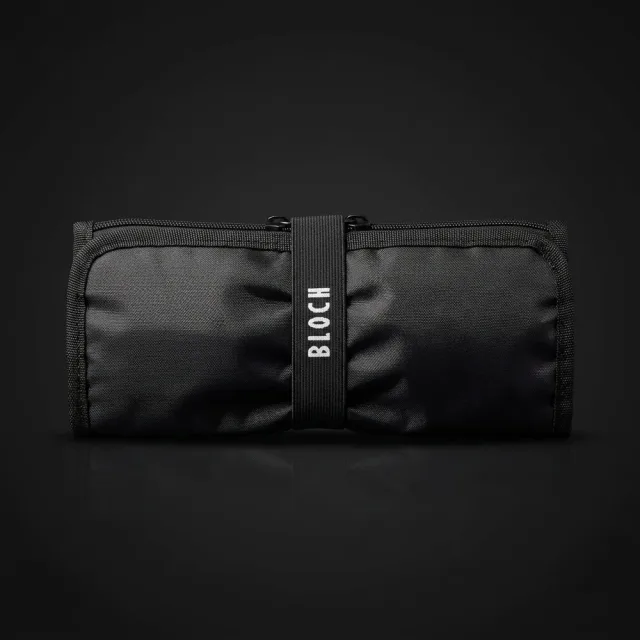
If you prefer something purpose-built, the Bloch Dance Organizer Bag is a fold-flat caddy with zippered mesh pockets and a hanging hook, made to keep shoes and small items sorted inside whatever bag you carry.
Now that your gear is sorted, you just need a floor to dance on.
Browse salsa events worldwide