At a Glance
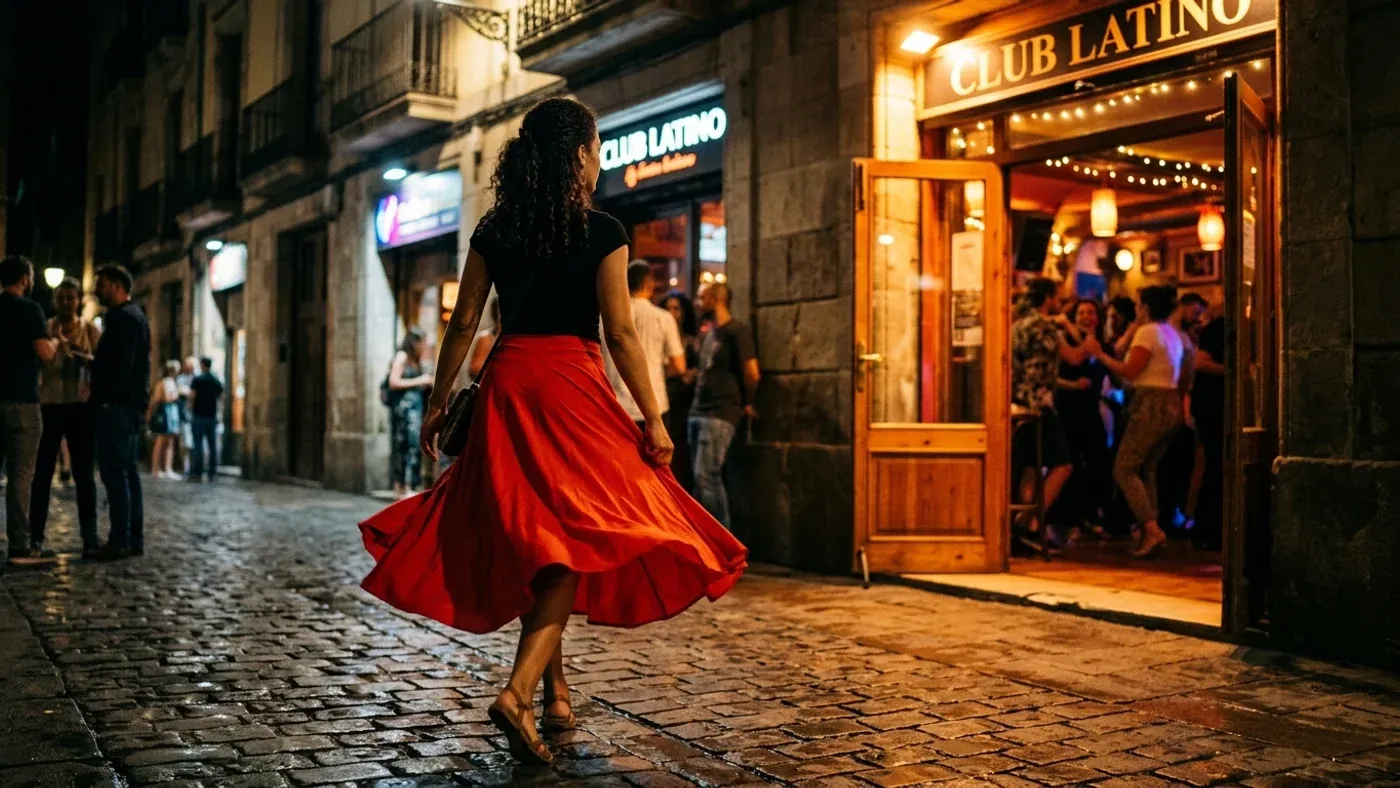
The humid night air on Calle Ocho is thick with the rumble of a live timba band. From inside Ball & Chain, the brass section hits a break, and a wave of sound spills onto the street, mixing with the clatter of dominoes and Spanish from the sidewalk cafes. This isn’t a studio social; it’s just Miami, being itself.
How Miami Dances
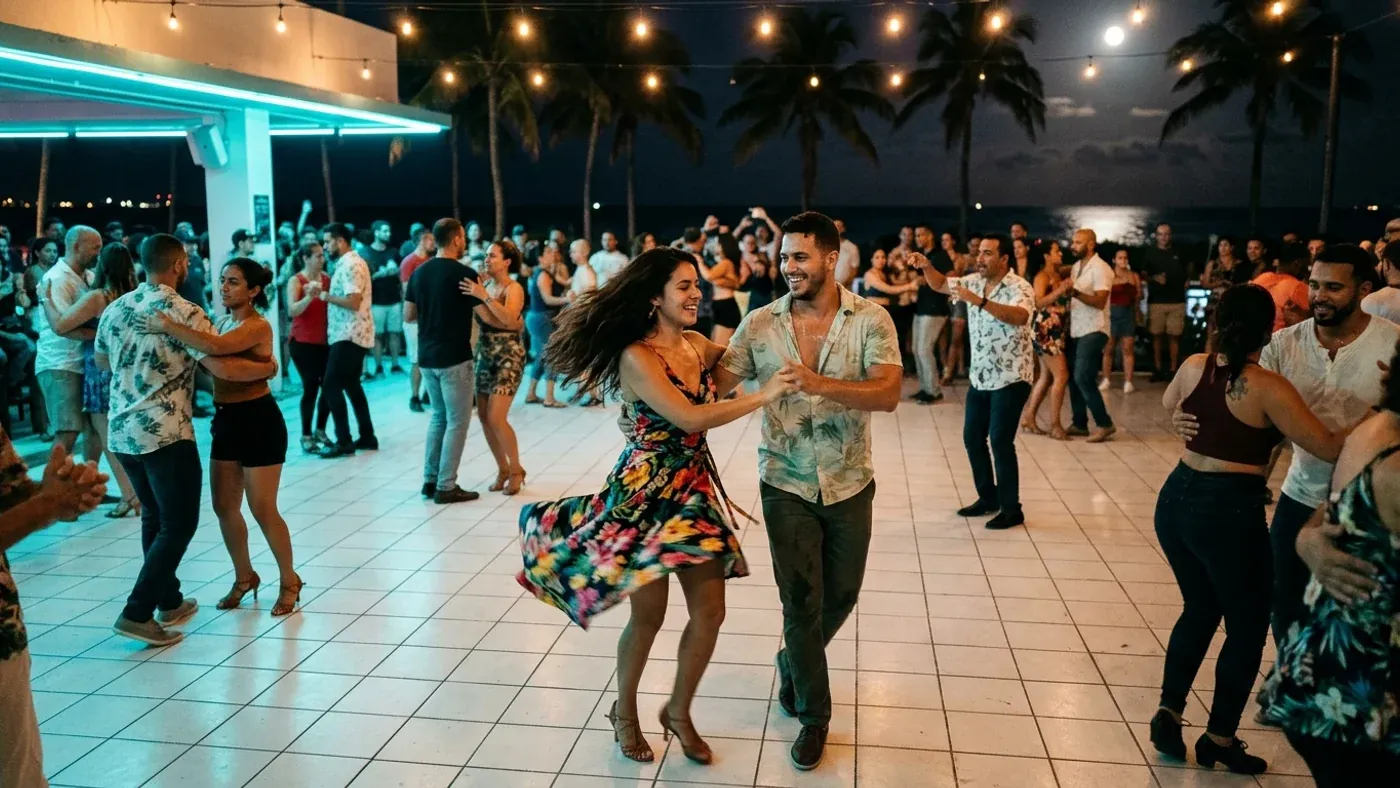
Unlike the On2 mambo rooms of New York or the On1 congress stages of L.A., Miami salsa is a direct inheritance from Cuba. The city dances casino, a circular, dynamic style that prioritizes rhythm and partner connection over rigid, linear patterns. The soundtrack is timba, the powerful, funk-infused salsa that has driven Cuban dance floors for decades. This is one of the best salsa cities in North America for pure, unfiltered energy.
Dancing here feels less like a planned event and more like a spontaneous part of the city’s nightlife. You don’t go to a dedicated social; you go to a bar with a killer band where dancing is the natural response. The floor is a mix of seasoned local casineros and curious visitors, all pulled in by the music. For a closer look at the mechanics, our guide to salsa styles explains the feel of casino versus its linear cousins.
The Heartbeat of Calle Ocho
That raw energy is most potent in Little Havana, the spiritual and practical center of the scene. A handful of spots along SW 8th Street (Calle Ocho) form a walkable circuit of world-class live music and dancing. You can spend an entire weekend here and never run out of options.
This isn’t a neighborhood of quiet studios; it’s a loud, proud celebration of Cuban culture where the music comes first. The dancing is simply the consequence. Here’s where to find the floor.
| Venue | Vibe | Best Nights | Cover |
|---|---|---|---|
| Ball & Chain | Iconic live music, tourist-heavy | Thu, Fri, Sun | Free |
| Hoy Como Ayer | Intimate, dancer-focused club | Fri, Sat | $0–$20 |
| Cubaocho | Art gallery meets rum bar | Most nights | Free |
The Main Stages
This is the landmark. A venue since the 1930s, Ball & Chain is a sprawling space with a famous outdoor stage and a nightly calendar of top-tier Cuban bands. It’s packed on Fridays and Saturdays, but Thursdays and Sundays are often better for dancing, with more room to move. Arrive by 9 p.m. for the free salsa class and to claim a spot before the main crowd descends.
Reopened in 2024, Hoy Como Ayer is a legendary name that has been reborn for a new era. It’s smaller and more intimate than Ball & Chain, attracting a crowd that comes specifically for the music, salsa dura, rumba, and timba. It’s open Fridays and Saturdays, and the focus is squarely on the performance, making it a favorite for dancers who want to connect with the band.
Cubaocho is a cultural center first and a dance spot second, which is precisely its charm. Surrounded by pre-revolutionary Cuban art and one of Miami’s best rum collections, you can listen to live son and jazz every day. The dancing is organic, happening in the spaces between tables when the music takes hold. It’s an essential stop for a more relaxed, authentic evening.
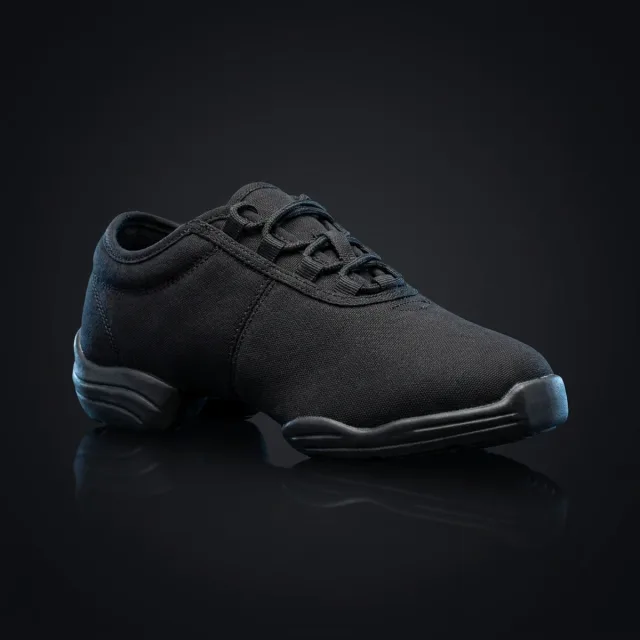
What to pack for Miami


Affiliate link
Beyond Little Havana
The scene extends beyond its historic core, with distinct flavors in different neighborhoods. Wynwood offers a younger, more nightlife-focused vibe, where salsa is often part of a broader Latin mix. Doral, closer to the airport, is a hub for Miami’s Venezuelan and Cuban communities, with several dance schools and local-heavy socials like Salserisimo at Shoma Bazaar.
Miami’s Major Dance Festivals
Miami’s position as a gateway to Latin America makes it a prime location for major dance events. While the calendar is always evolving, the city is a fixture on the international circuit. Keep an eye on the global salsa festival calendar for the latest dates and additions.
One of the scene’s anchors is making a celebrated return. After a hiatus, this core event is back, promising a week of workshops, performances, and epic pool parties with top international artists.
Miami Salsa Congress 2026
The 25th anniversary of one of the USA’s most important salsa congresses returns July 22-27, 2026. Expect world-class instructors, live concerts, and non-stop social dancing at the InterContinental Miami. This is a must-do for any serious festival-goer.
How to Plan Your Night
A little preparation goes a long way in Miami. The city is sprawling and runs on its own late-night schedule. Getting around requires ride-sharing; Uber and Lyft are your primary tools, as public transit is not geared for late-night club hopping. Expect to pay $15-$30 for trips between neighborhoods like Little Havana and Wynwood.
Nights start late and end later. Prime time on the dance floor is typically 11 p.m. to 2 a.m. Arrive earlier to eat, have a drink, and catch the free lesson often offered around 9 p.m. While most Little Havana venues are casual, clubs in Brickell or Miami Beach enforce a dressier code. And a final tip: bring cash. While bars take cards, tipping the band directly is a respected custom that keeps the live music scene thriving.
See this week’s events in Miami