At a Glance
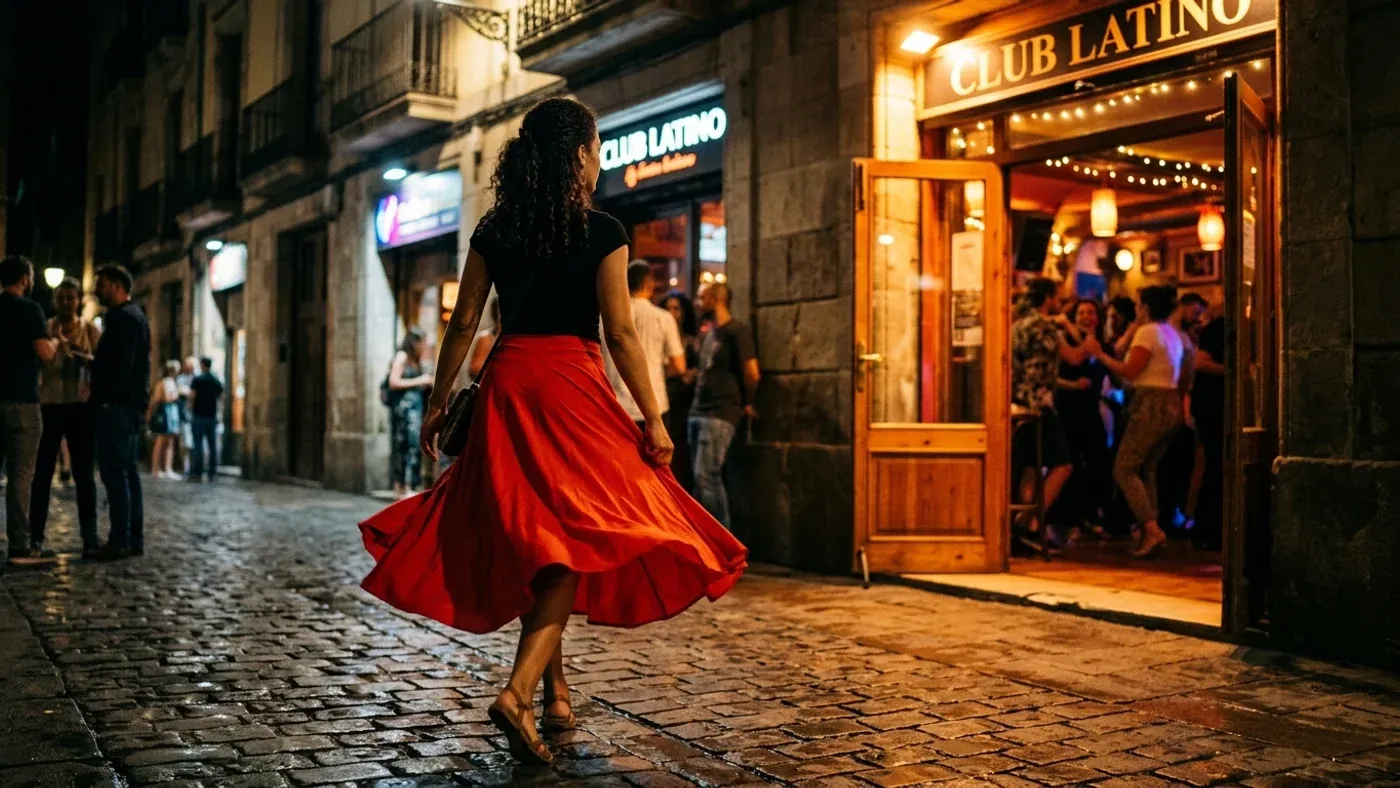
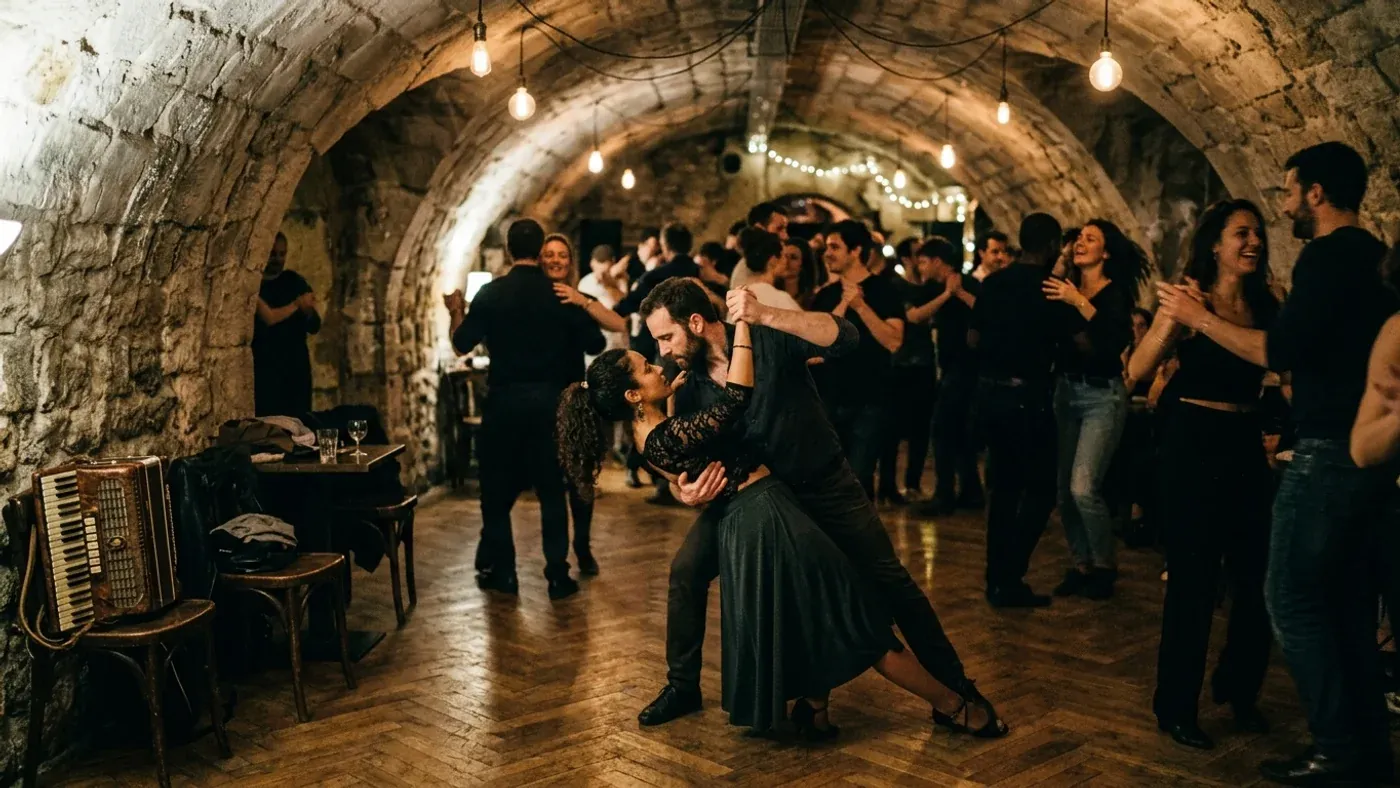
The sound spills from a Haussmann-era doorway near the Bastille, a blast of timba cutting through the night air. Inside, on a worn wooden floor that’s seen ninety years of dancing, couples navigate a tight floor with practiced ease. This isn’t a cavernous superclub, but a focused, intimate social, the heart of salsa in Paris.
How Paris Dances Salsa
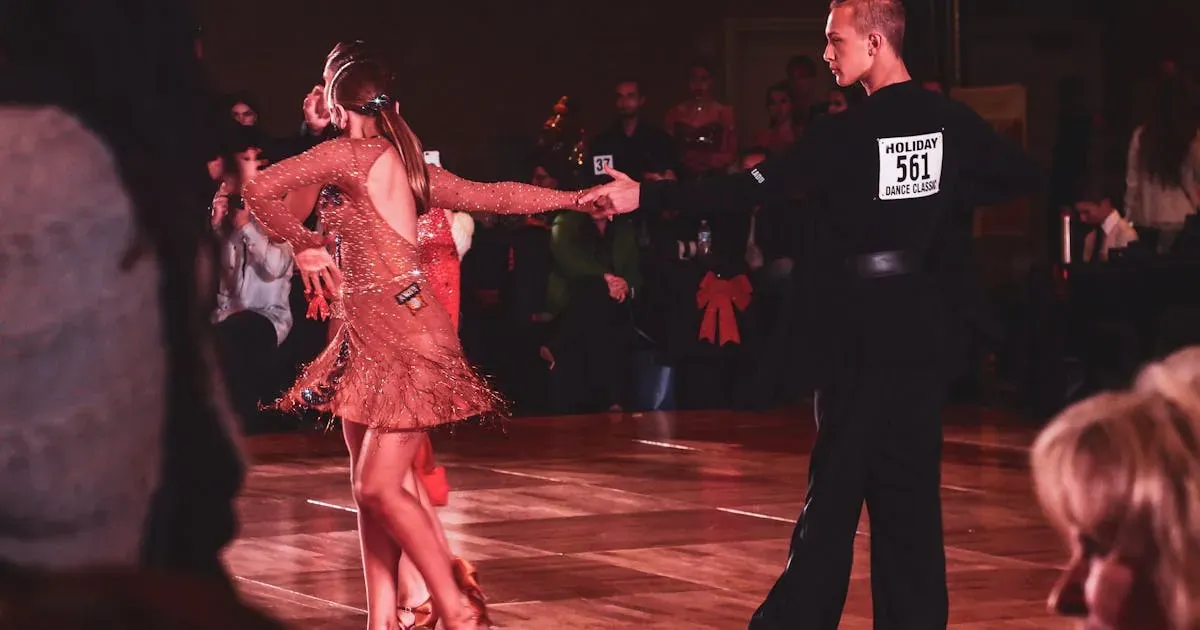
Paris doesn’t have Europe’s biggest salsa scene, but it has one of its most technical. The city’s dance culture is built around studio training, resulting in a high average skill level on the floor. It’s less about massive Latin nightclubs and more about a fragmented network of dedicated socials, bar takeovers, and historic dance halls.
The defining characteristic is the “SBK” culture: nights where Salsa, Bachata, and Kizomba share the playlist. This variety is a huge strength if you dance multiple styles, but pure salsa dancers should be prepared for breaks. The salsa you do hear leans more Cuban than the linear styles that dominate other European capitals.
This landscape makes Paris a city that rewards planning. You can’t just show up to a neighborhood; you need to know the specific event for that night. Once you’re in, however, you’ll find a passionate and skilled community.
The Core Salsa Venues for 2026
Navigating the city’s scattered scene is easier when you have a few reliable anchors. While schedules can shift, these venues are the pillars of the weekly salsa calendar. Always check the latest salsa events in Paris before you head out, as last-minute changes are common.
| Venue | Best Night | Cover | The Vibe |
|---|---|---|---|
| La Pachanga | Wed/Thu | €12 | Reliable Latin club, classes included |
| SalsaO'Sulli | Sunday | €12 | Lively pub social in Pigalle |
| Vendôme Club | Sunday | €12 | Dedicated Cuban salsa night |
| Café Oz | Sunday | Free–€10 | Big, busy, budget-friendly social |
| Le Balajo | Thursday | €10–€12 | Historic 1930s ballroom atmosphere |
La Pachanga
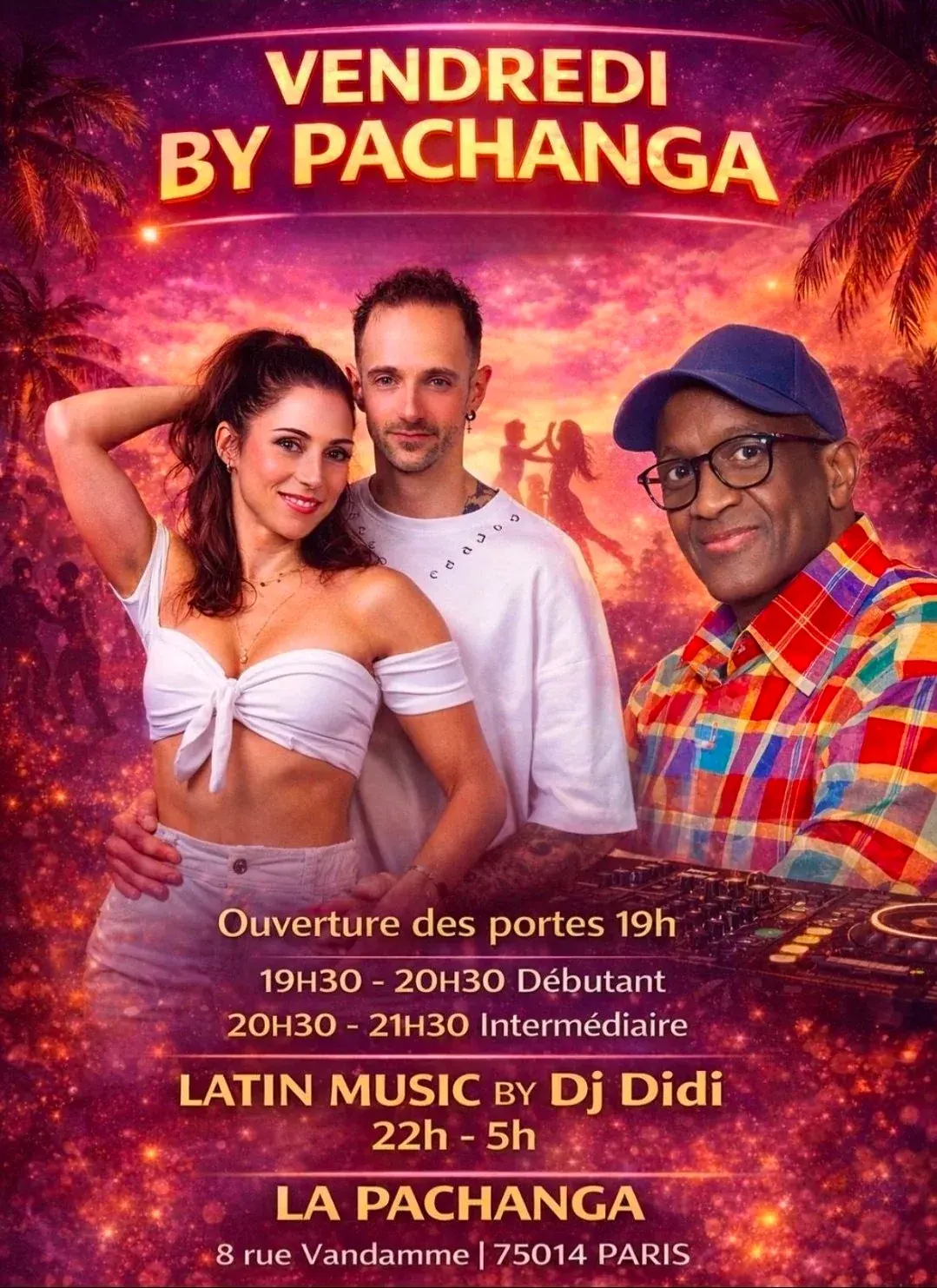
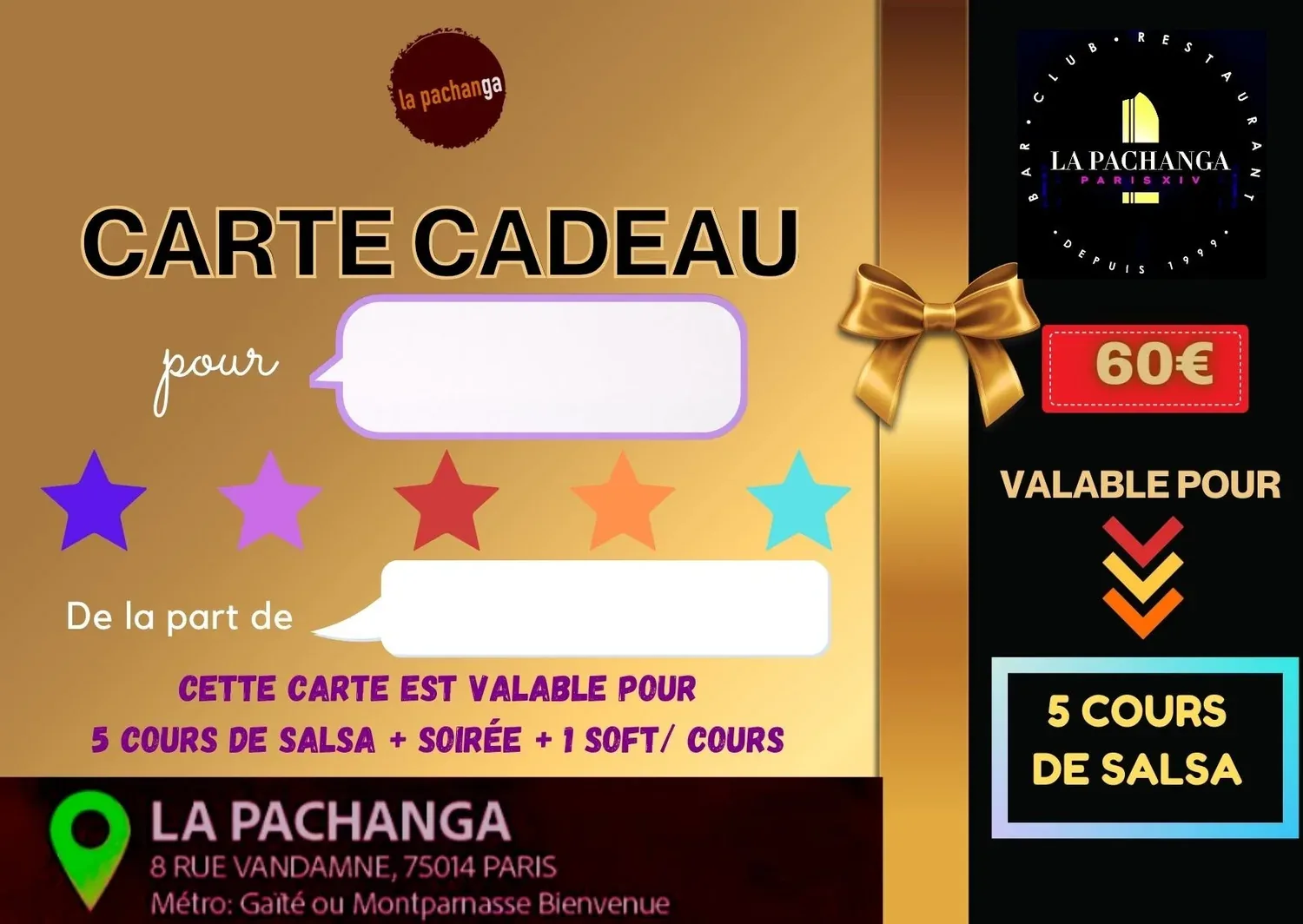
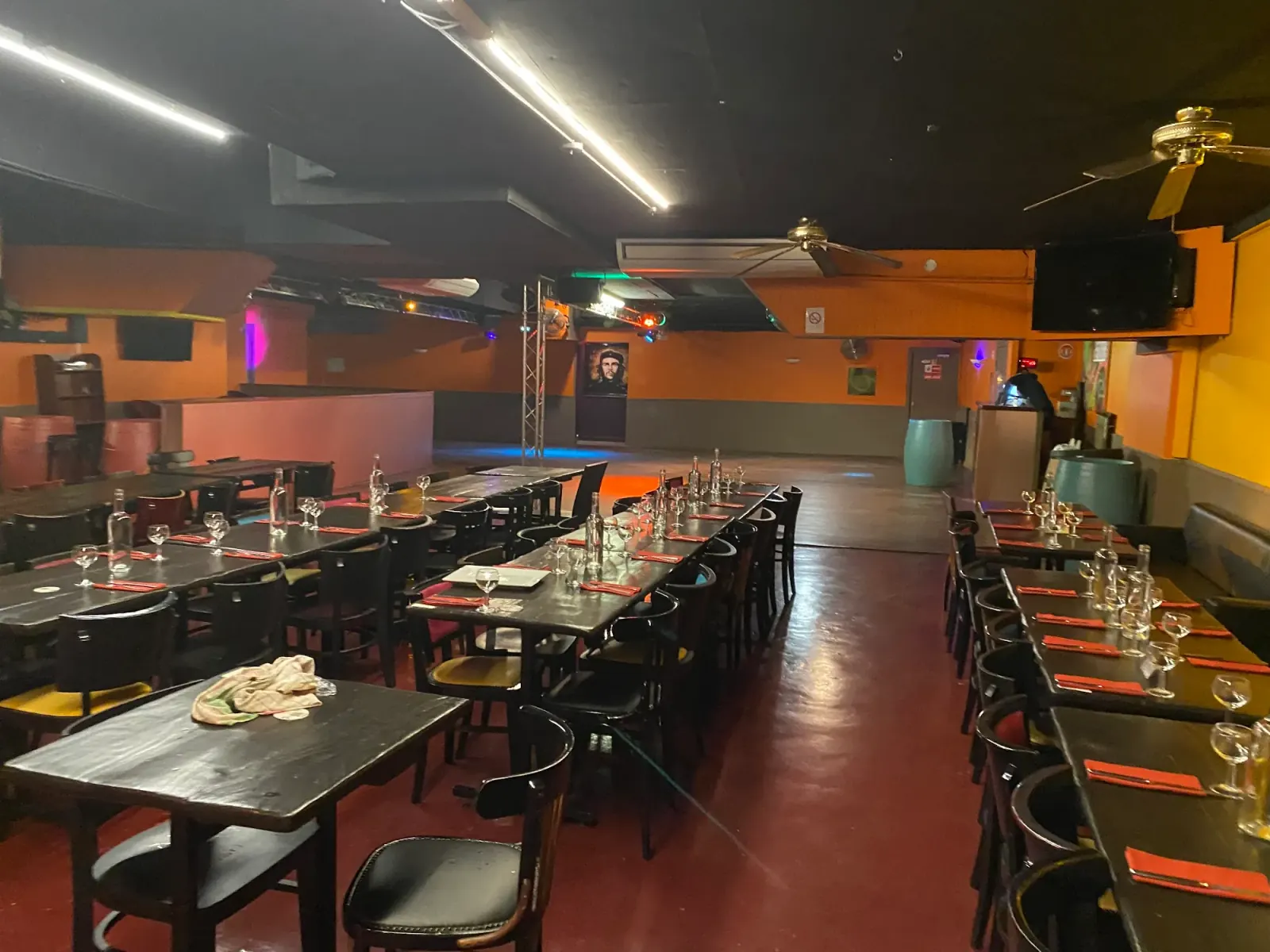
For sheer consistency, La Pachanga is the city’s Latin dance hub. It runs SBK nights with pre-social classes almost every night of the week, making it a dependable choice no matter when you visit. The space is a dedicated dance bar with a proper floor and sound system, attracting a loyal crowd of regulars. If you only have time for one venue, this is a safe bet.
SalsaO’Sulli
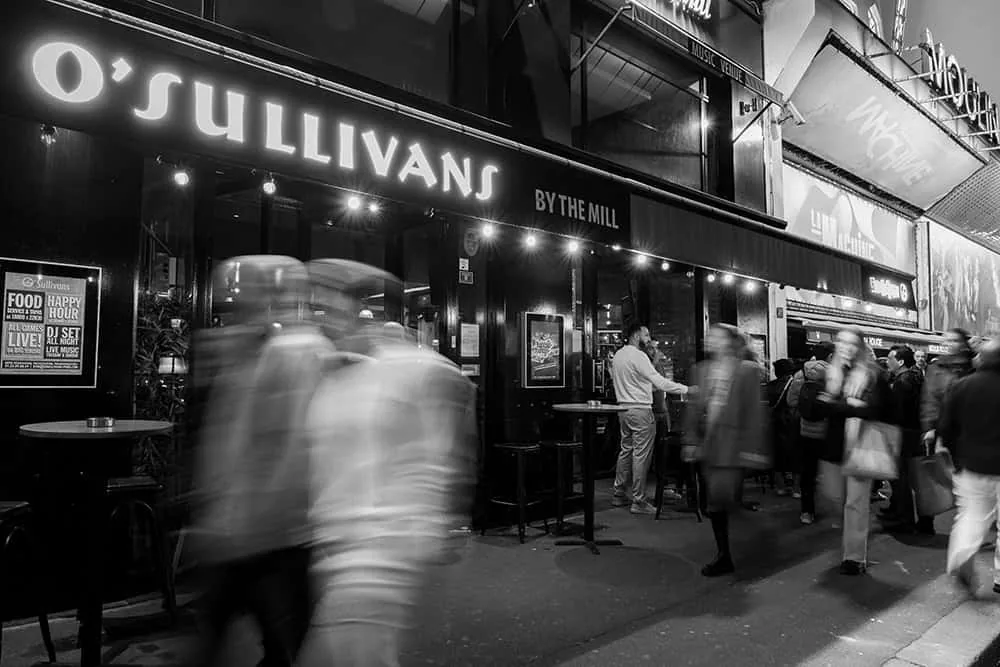
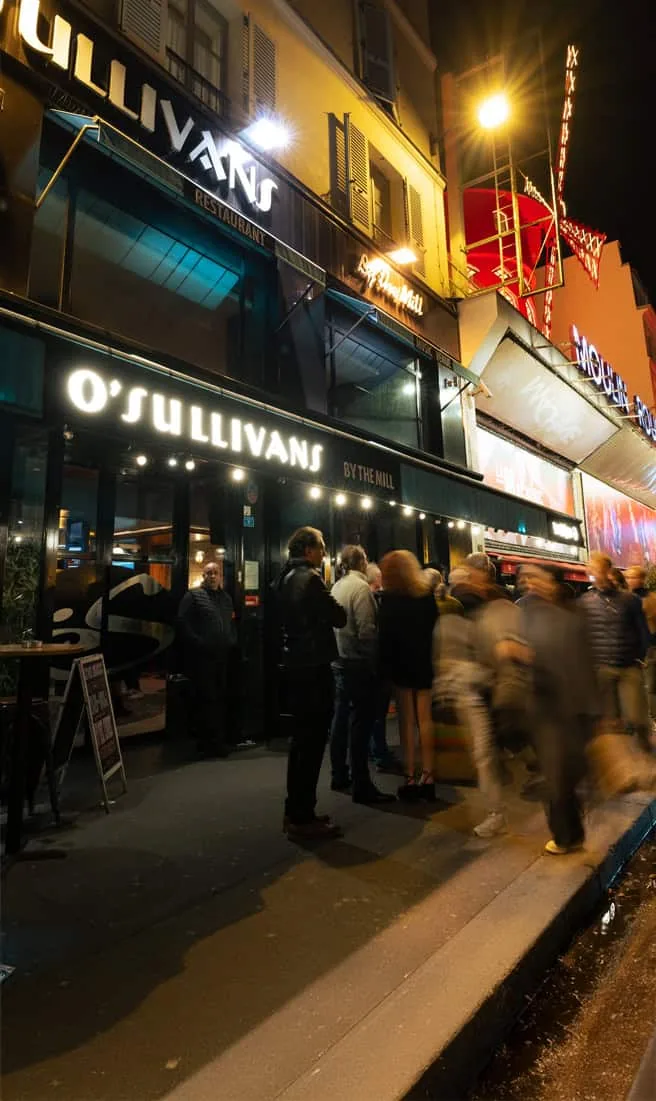
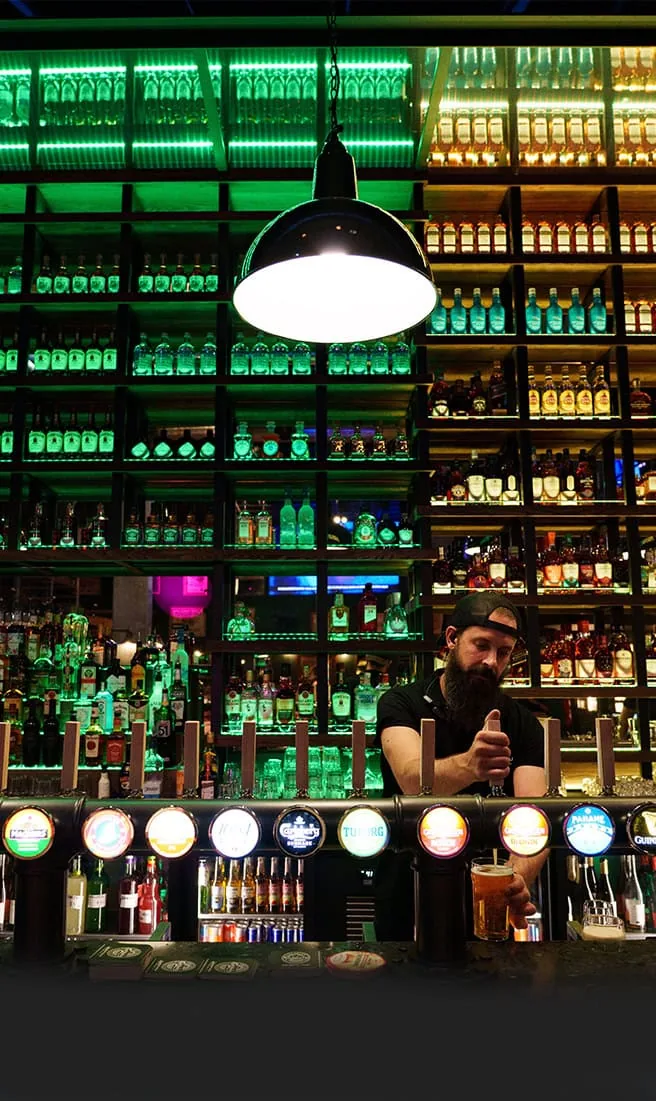
Held in O’Sullivans By The Mill, a large Irish pub right next to the Moulin Rouge, this Sunday night social is a Paris institution. The energy is high, the crowd is international, and the Pigalle location gives it a unique nightlife buzz. The event starts with beginner and intermediate classes before opening up for a full-on party that runs until 1 AM.
Vendôme Club
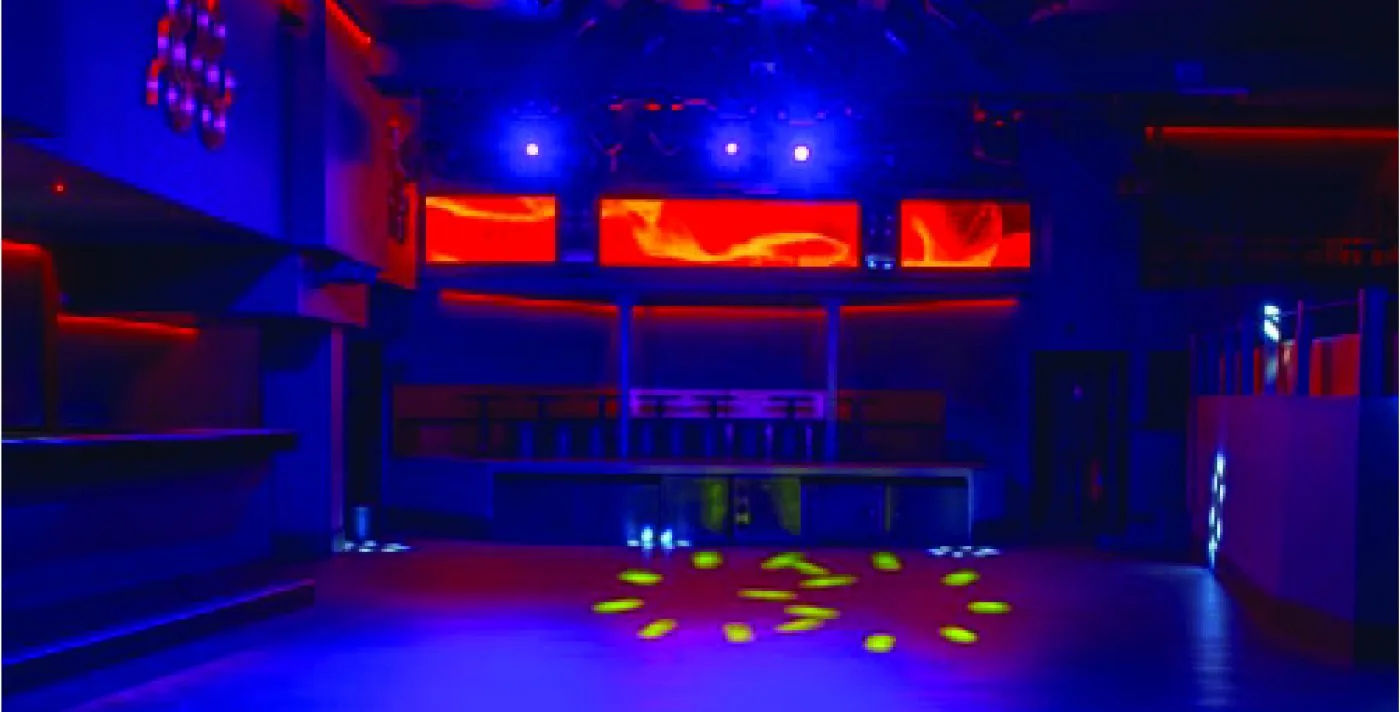
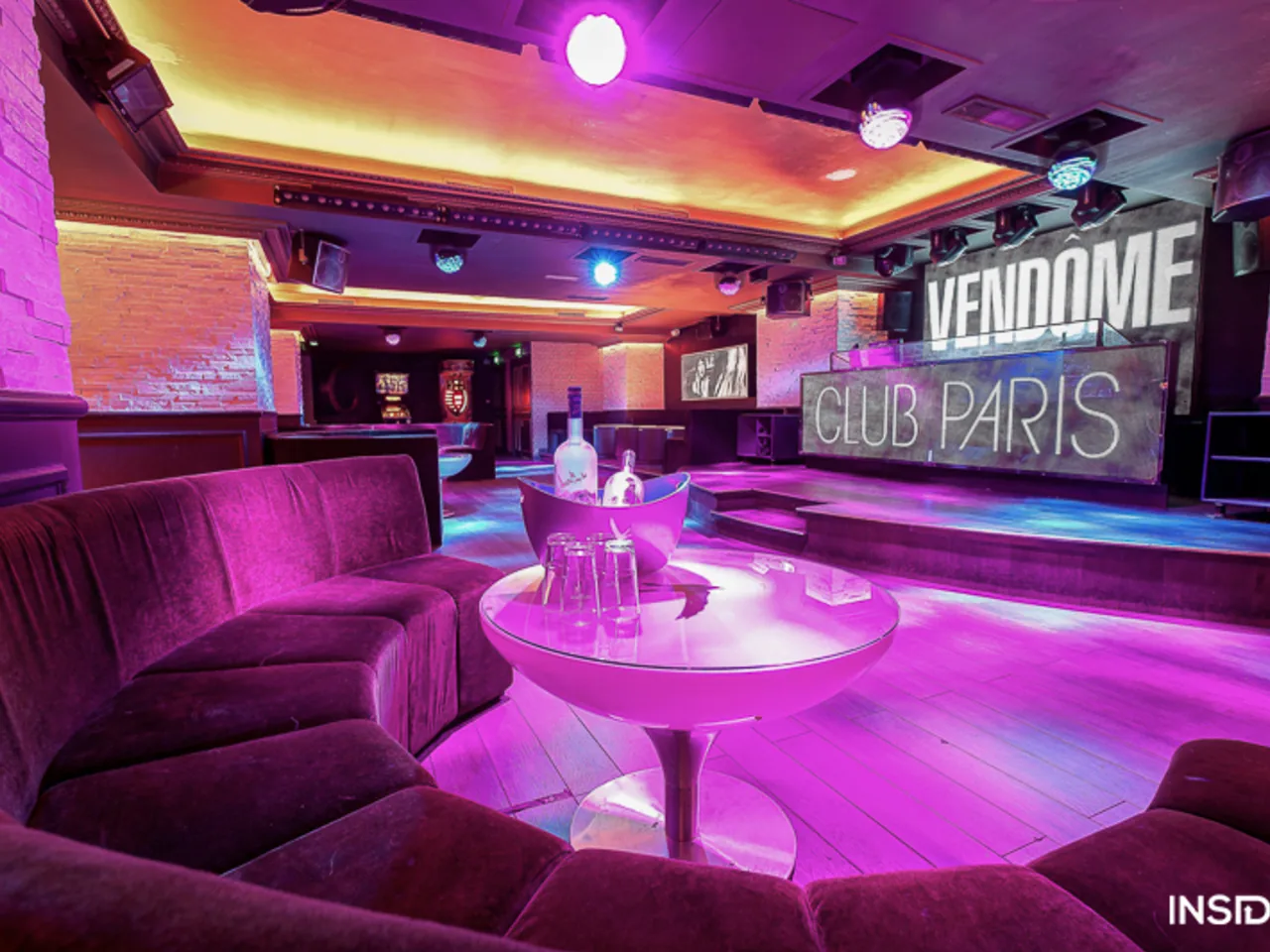
For Cuban salsa dancers, the Para Bailar Casino night at Vendôme Club is the place to be on Sundays. This is one of the few weekly events in Paris dedicated almost exclusively to Casino and Rueda de Casino. The social runs from early evening until midnight, making it a perfect end to the weekend.
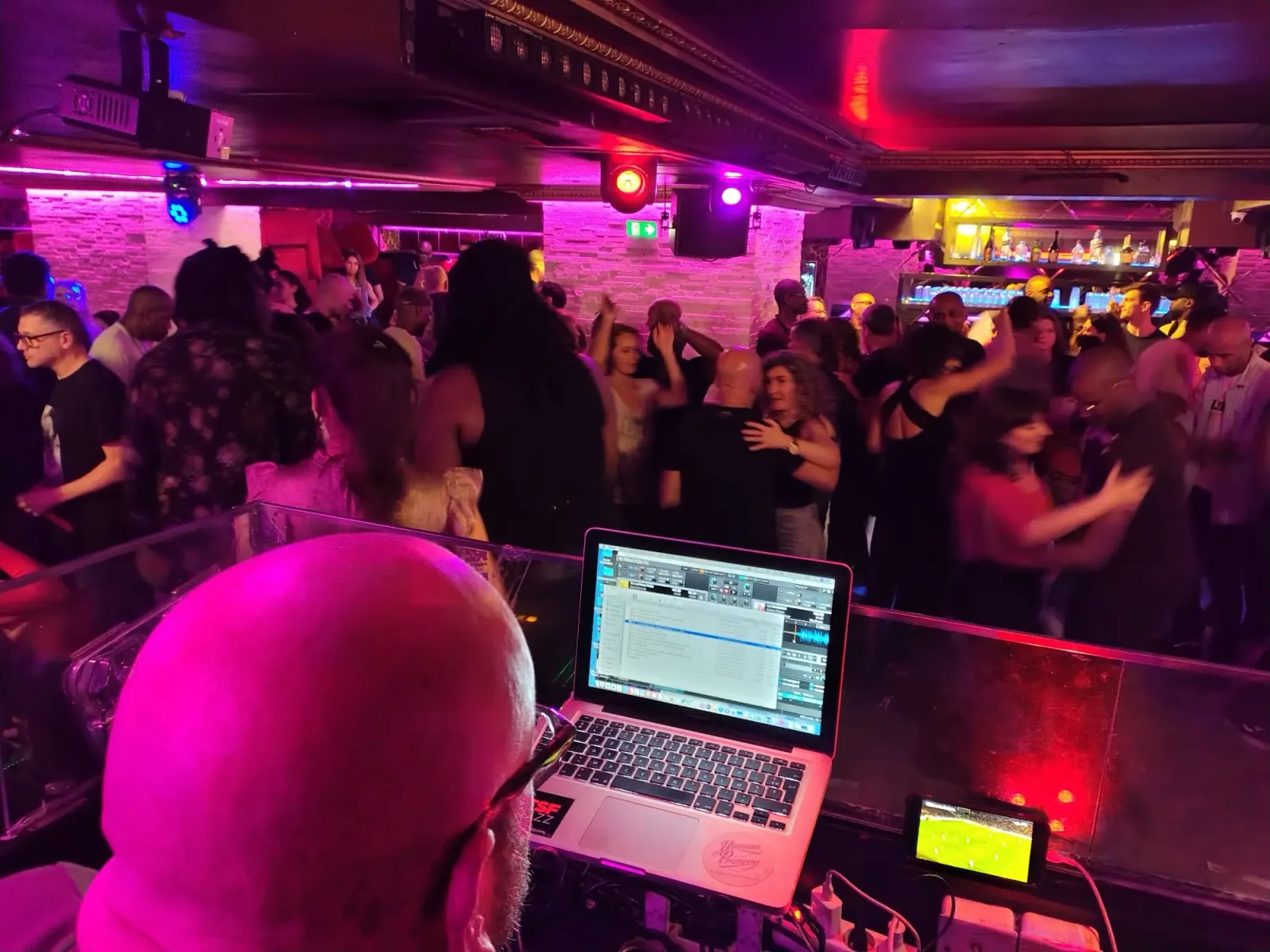
Other key venues include the historic Le Balajo, a 1930s dance hall in Bastille that hosts a popular SBK night on Thursdays. For a budget-friendly option, Café Oz Grands Boulevards runs a massive, free-entry Salsa Sunday that draws a huge crowd.



Paris Salsa Festivals: Plan Your Trip
Beyond the weekly socials, Paris hosts major international events that draw dancers from across the globe. These festivals are the best way to experience the peak of the city’s dance talent and energy. For a wider view, check out the full Salsa festival calendar.

- APR6Paris International Salsa Congress (PISC) 2027SalsaBachataKizomba

The Paris International Salsa Congress (PISC) 2026 in April is the city’s flagship event, a massive congress with workshops, shows, and social dancing rooms for salsa, bachata, and kizomba. In September, the Paris Salsa Marathon offers a more social-focused experience, with over 36 hours of dancing for those who prefer floor time over workshops.
How to Plan Your Night in Paris
Getting the logistics right is key to enjoying the Paris scene. The city’s rhythm is a little different from other salsa capitals. First, the metro is your best friend, but it’s not a 24-hour service. It closes around 1:15 AM on weekdays and 2:15 AM on weekends. Since most socials end between 1:00 and 2:00 AM, your last dance is often dictated by the last train.
Financially, Paris is more expensive than Berlin or Spanish cities. Cover charges are typically €10–€15, and cocktails can easily cost the same. Most venues accept cards, so you won’t need much cash. As for etiquette, a simple bonsoir (good evening) on arrival and on danse? (shall we dance?) is all you need. The scene can feel a bit reserved initially, but it opens up quickly.
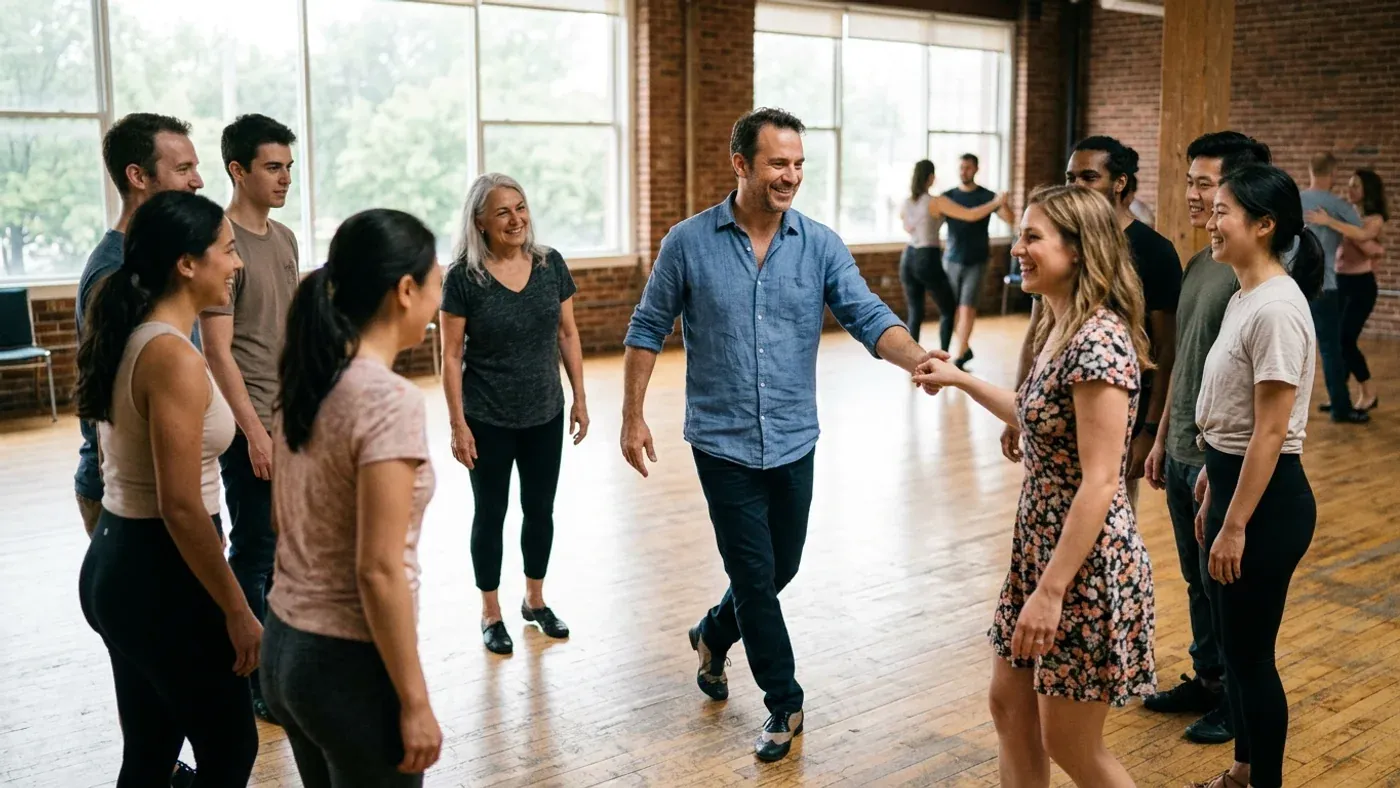
For dancers looking to take classes, Paris has excellent schools. Here are a few to check out:
See this week’s events in Paris