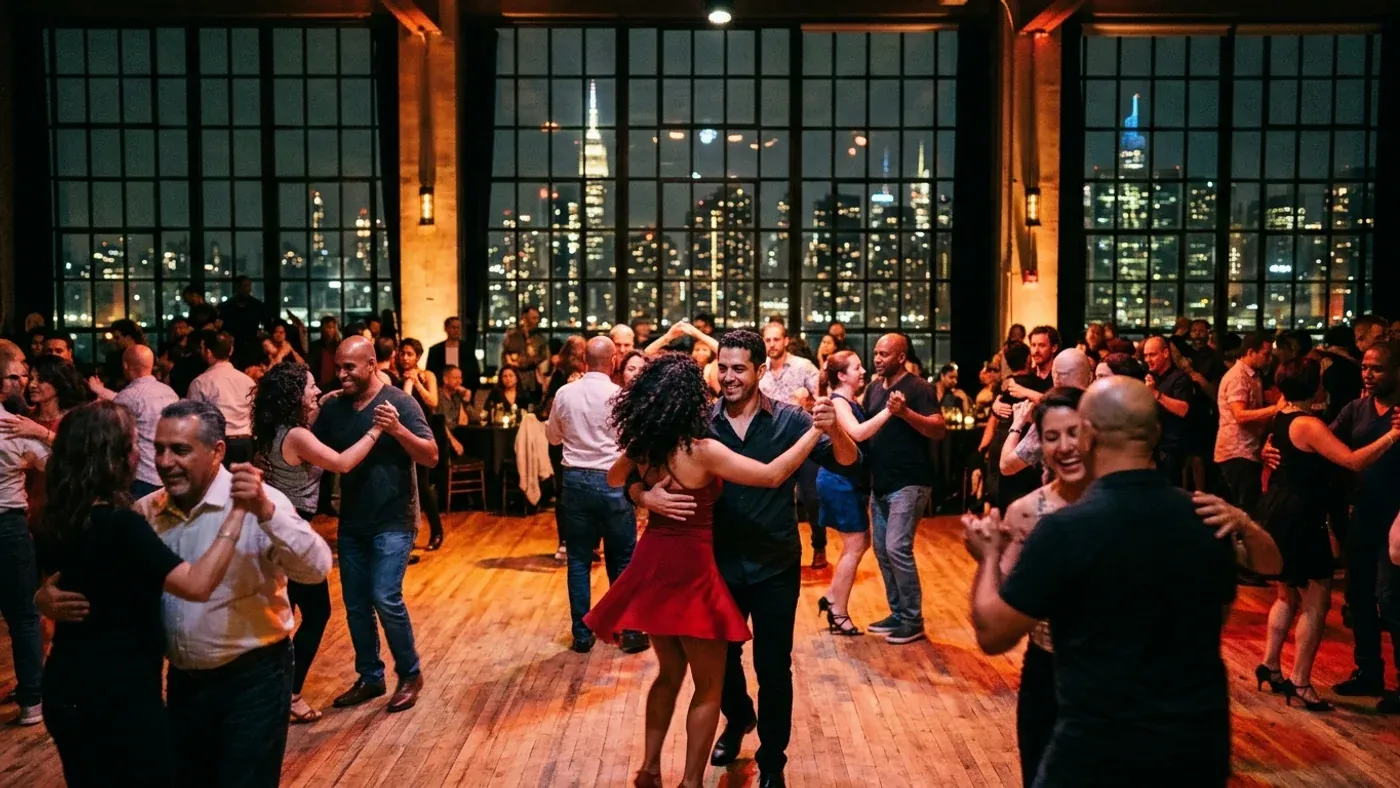
At a Glance
The congas hit, a horn line cuts through the humid air, and the floor ignites. In Miami, the music is live and the connection is real. North America dances salsa with a thousand different accents, from the Bronx to Boyle Heights, but the feeling when the clave locks in is universal.
North America’s Salsa Capitals at a Glance
This continent gave salsa its modern forms, from the New York mambo that codified dancing On2 to the slick, camera-ready LA-style that took over the world. Each city has a distinct rhythm. The right destination is less about which is “best” and more about which style and scene you want to walk into.
| City | Primary Style | Vibe | Best For |
|---|---|---|---|
| New York City | On2 Mambo | Technical, intense, musical | Serious On2 dancers |
| Miami | Cuban Casino | live music, social | Authentic Cuban salsa & rueda |
| Los Angeles | On1 (LA-style) | Polished, performance-driven | High-level On1 & bachata |
| Mexico City | Casino & On1 | Cultural, affordable, energetic | Live music & cultural immersion |
| Toronto | On1 & Casino | Diverse, international, friendly | Dancing multiple styles in one city |
The Big Three: NYC, Miami & LA
The US coasts are home to the three most influential salsa scenes in the world. New York is the temple of On2, Miami is the North American heart of Cuba, and Los Angeles is the studio that created the global standard for On1. Choosing between them is a matter of choosing your preferred dialect.
New York City, USA
New York, USA
The city that codified On2 salsa remains the global standard for technicality and musicality. The dance floors here are serious, the history is palpable, and the skill ceiling is higher than anywhere else.
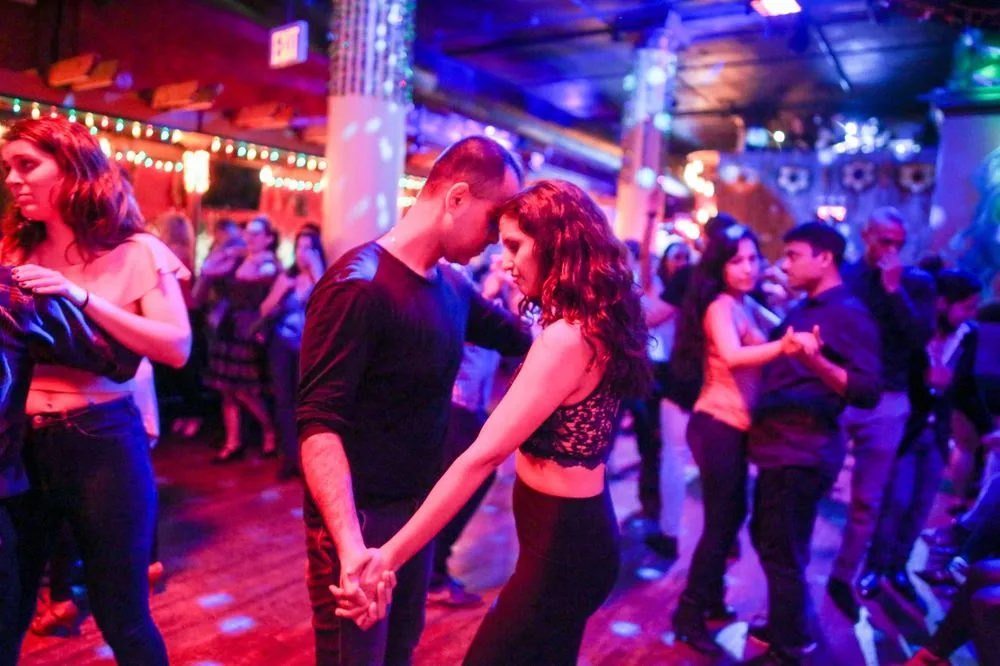
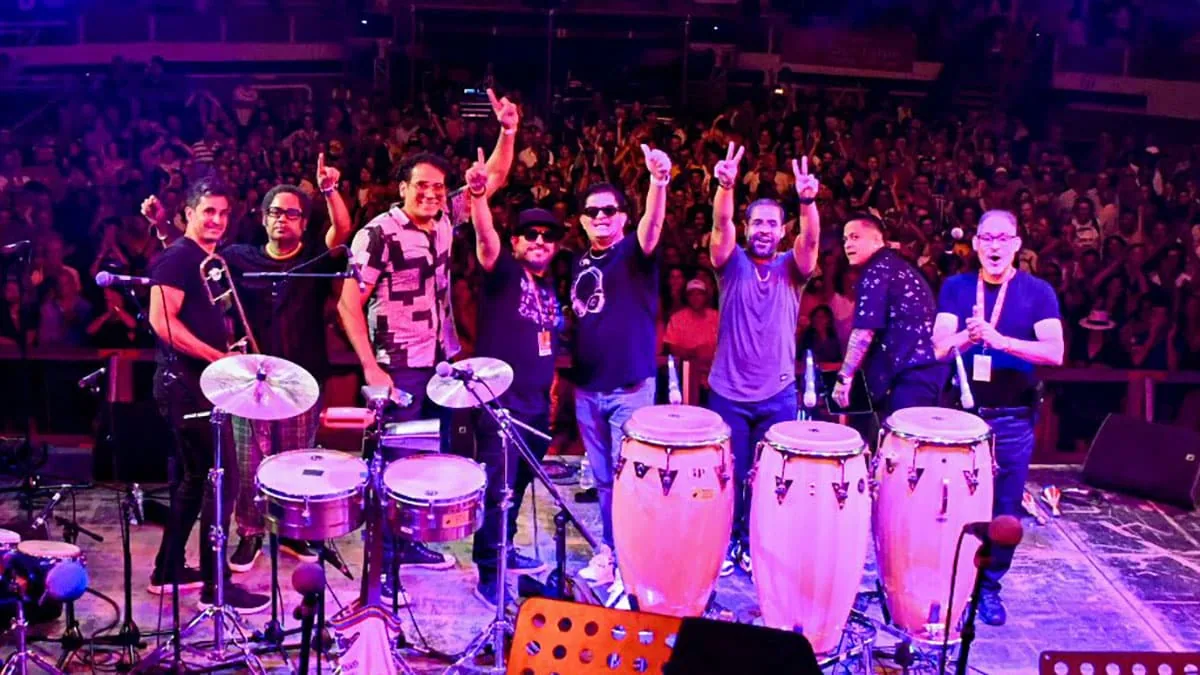
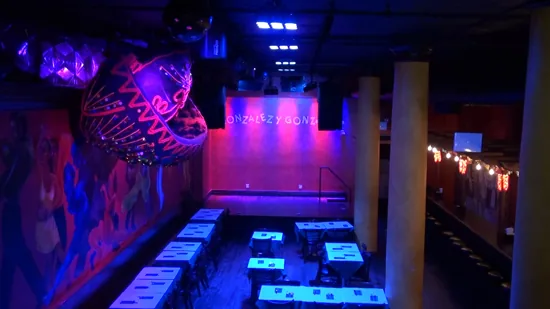
New York demands precision. This is the home of Eddie Torres and the Palladium Ballroom, and that legacy of mambo defines the scene. While you can find socials every night, the real pulse is in the dedicated On2 events where world-class dancers gather. For a taste of this energy, venues with live music offer a perfect entry point, blending tourists, locals, and serious dancers on one floor.
Miami, USA
Miami, USA
Miami is the Cuban capital of North America. The salsa here is casino, the group dance is rueda, and the music is often live, loud, and spilling out onto the street from places like Ball & Chain.
Nowhere else on the continent is the connection to Cuba so direct. The community that arrived after 1959 brought its dances intact, and that tradition has been passed down for generations. The result is a scene that feels less like a studio and more like a family party, social, and deeply connected to the music. Little Havana is the epicenter, with venues offering free lessons before the live bands start.
Los Angeles, USA
Los Angeles, USA
The city that created LA-style salsa still sets the standard for clean lines and high production value. The scene is polished, the venues are often spectacular, and the average technical level is consistently high.
The LA approach is defined by its studio culture and performance-ready aesthetic. This is where the linear, slotted style that dominates global congresses was born. Socials are large, well-attended, and often feature separate rooms for salsa and bachata. Venues like The Victorian in Santa Monica host massive weekly parties that draw dancers from across the sprawling metropolis for classes followed by hours of social dancing.
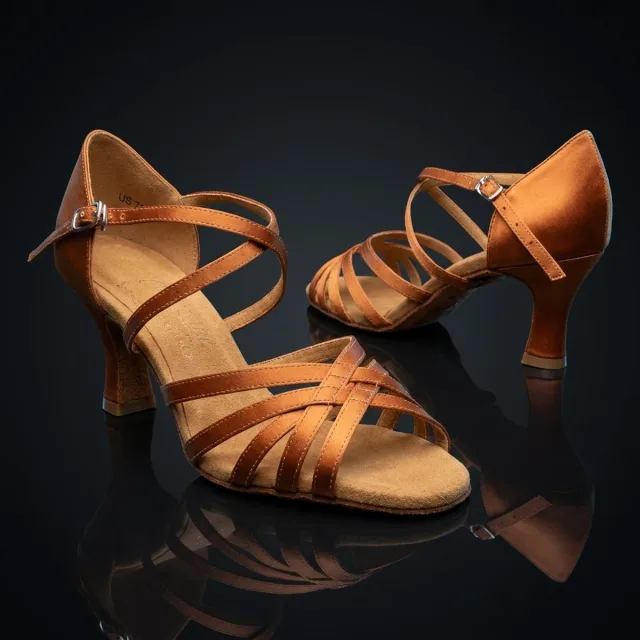
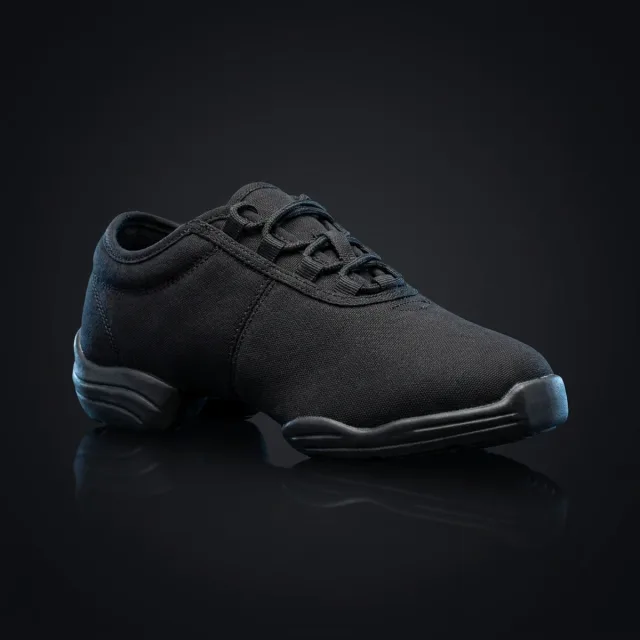
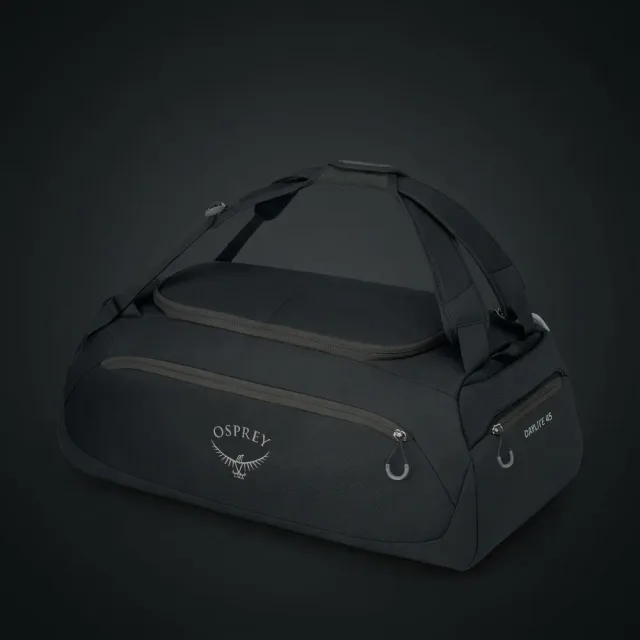
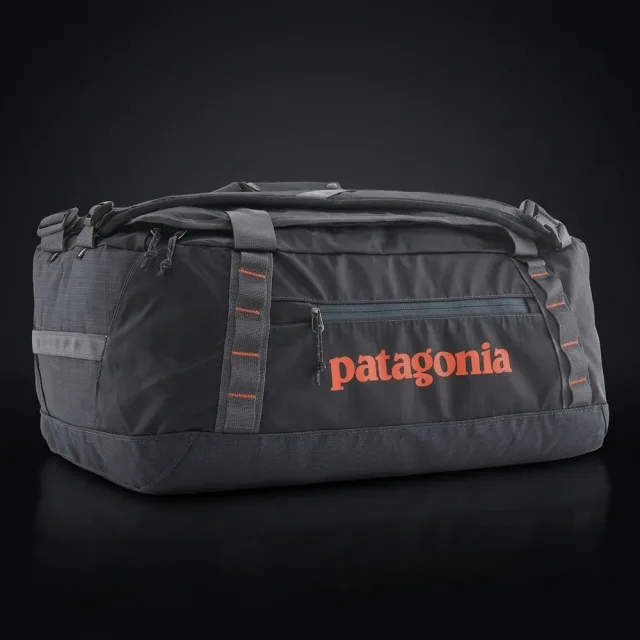
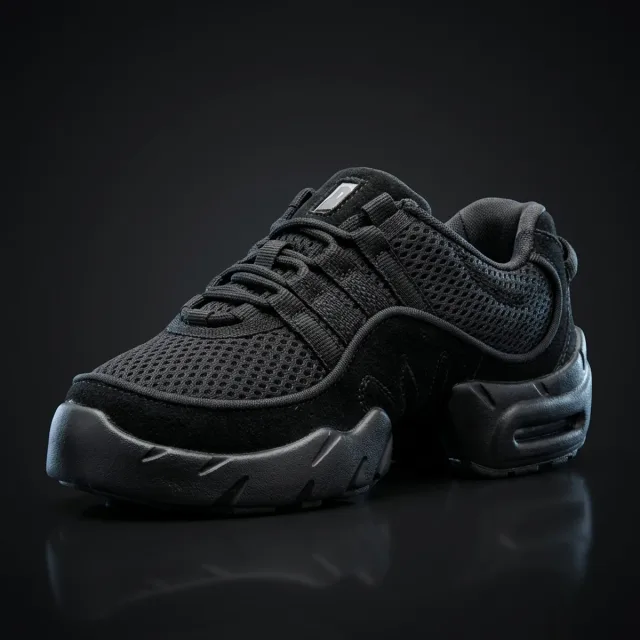
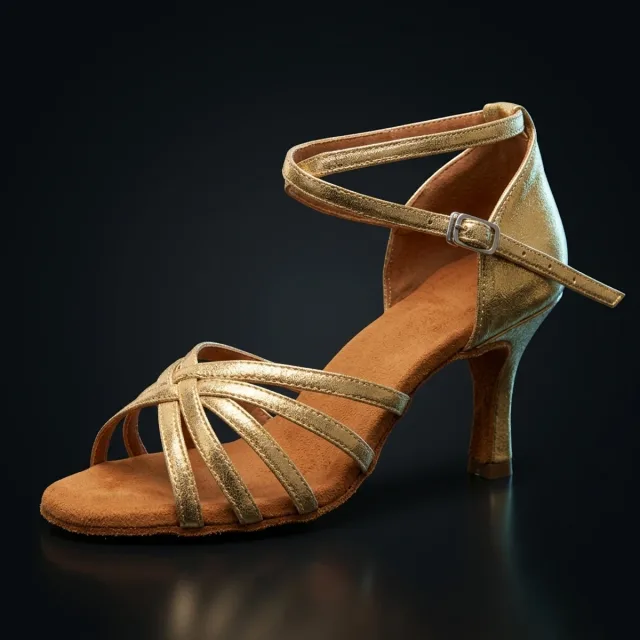
What to pack for a dance trip
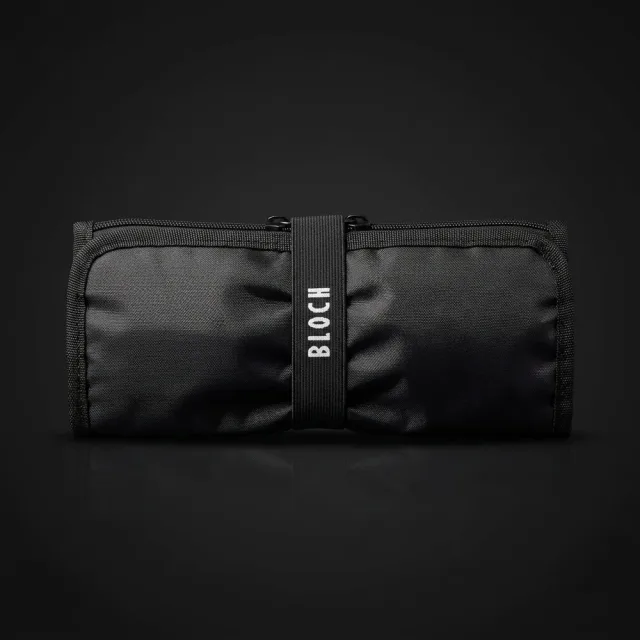
Affiliate link
Beyond the Borders: Mexico & Canada
From the affordability and cultural depth of Mexico City to the international flair of Toronto and Montreal, the salsa scenes beyond the US offer uniquely rewarding experiences. These cities blend Latin American roots with their own distinct urban identities.
Mexico City, Mexico
Mexico City, Mexico
CDMX has one of the largest and most culturally rich salsa scenes in the world. It’s affordable, the music is often live, and historic venues like Salón Los Ángeles have been hosting dancers since the 1930s.
In Roma Norte, Mama Rumba is an institution, packing its floor with dancers moving to live Cuban son and salsa until the early hours. The scene here is less about rigid studio styles and more about musicality and connection, a place where you can feel the history of the dance in grand, storied ballrooms for a fraction of the cost of a night out in the US.
Toronto & Montreal, Canada
Canada’s two largest cities punch well above their weight. Toronto’s strength is its incredible diversity, with communities dedicated to nearly every style of salsa. Montreal offers a unique bilingual scene with a European feel, especially during its summer festival season when dancing spills into the streets.
In Toronto, Lula Lounge is the essential venue, offering a tropical vacation in the middle of the city with live bands and dance lessons every weekend. Montreal’s scene is more spread out, with a mix of studio socials and club nights that cater to its On1-dominant but stylistically open dance community.
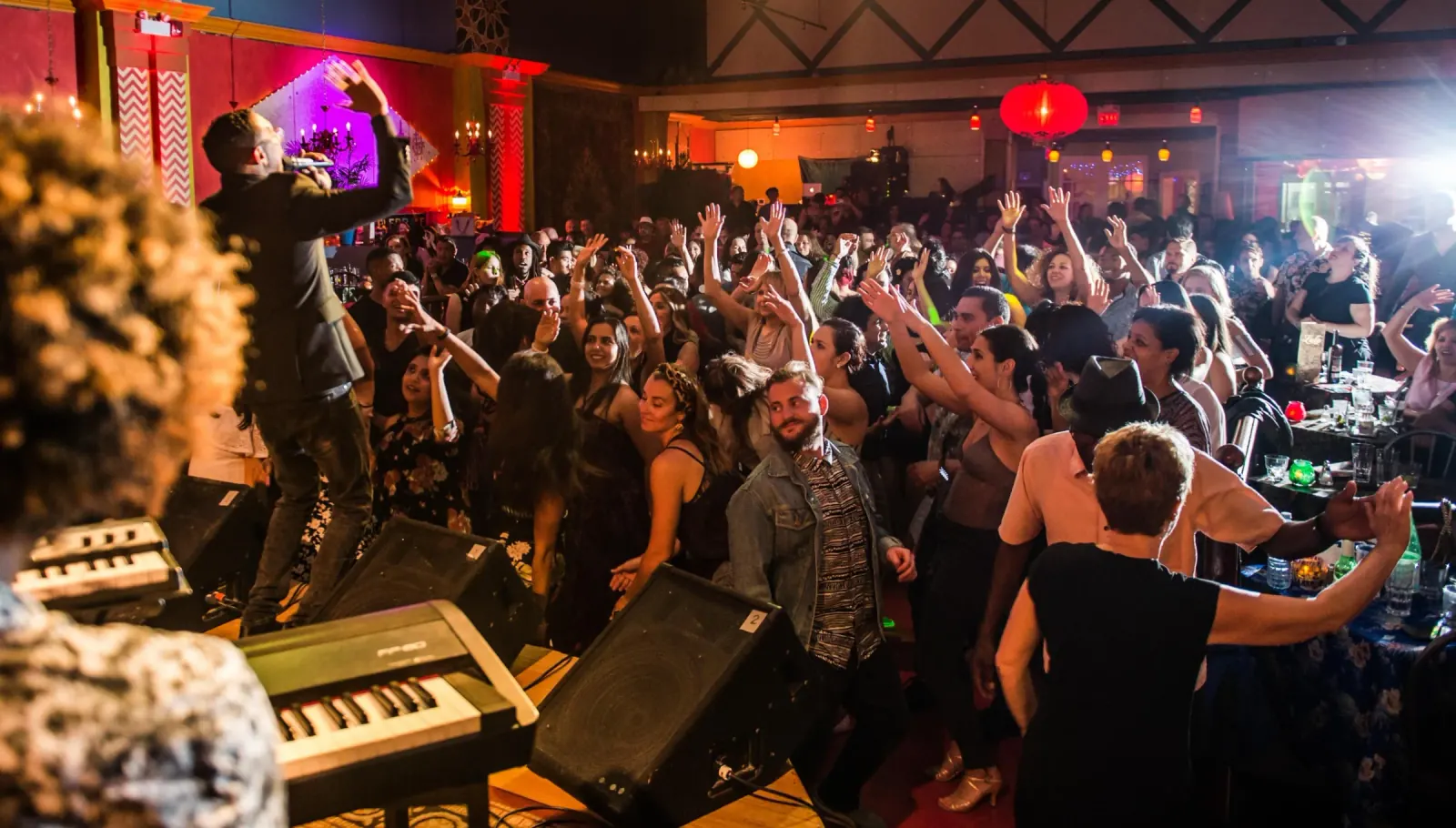
Festivals Worth Your Weekend
North America’s congress circuit is a core part of the dance ecosystem, concentrating top talent and social dancing into high-energy weekends. New York and Montreal host major events that draw dancers from across the continent and beyond, providing a perfect anchor for a dance-focused trip.
- OCT7Canada Salsa & Bachata Congress 2026SalsaBachata
- JAN29New York SBKZ Congress 2027SalsaBachataKizombaZouk
- MAY20Montreal Salsa Convention 22nd EditionSalsaBachata
How to Plan Your Trip
First, pick a city that matches the style you dance or want to learn. An On2 dancer’s dream trip is New York; a casino dancer’s is Miami. Trying to do both in one trip can create stylistic whiplash. For a deeper dive on the differences, our guide to Cuban vs LA and NY styles is essential reading.
Stacking a major festival with a few days of local social dancing gives a complete picture of a scene. Congresses bring international energy, but the weekly socials show you how the city truly dances. Always check local listings before you book a flight, as venues and schedules can change. And most importantly, pack the right shoes.
Browse all salsa events