At a Glance
The first time you step onto a new dance floor, you’re listening for its language. Is it the circular, playful chatter of Cuban Casino? The sharp, declarative sentences of LA style? Or the smooth, multi-clause elegance of New York On2? Understanding these dialects is the key to feeling at home anywhere.
The Family Tree: From Cuba to the World
All salsa flows from one source: Cuban Son, a partner dance that blossomed in the early 20th century. This mix of Spanish guitar and African drumming traveled to New York, where the mambo craze of the 50s and the Fania Records boom of the 70s repackaged it as “salsa.” From there, the dance branched into the three main styles you’ll find on floors from Tokyo to Rome.
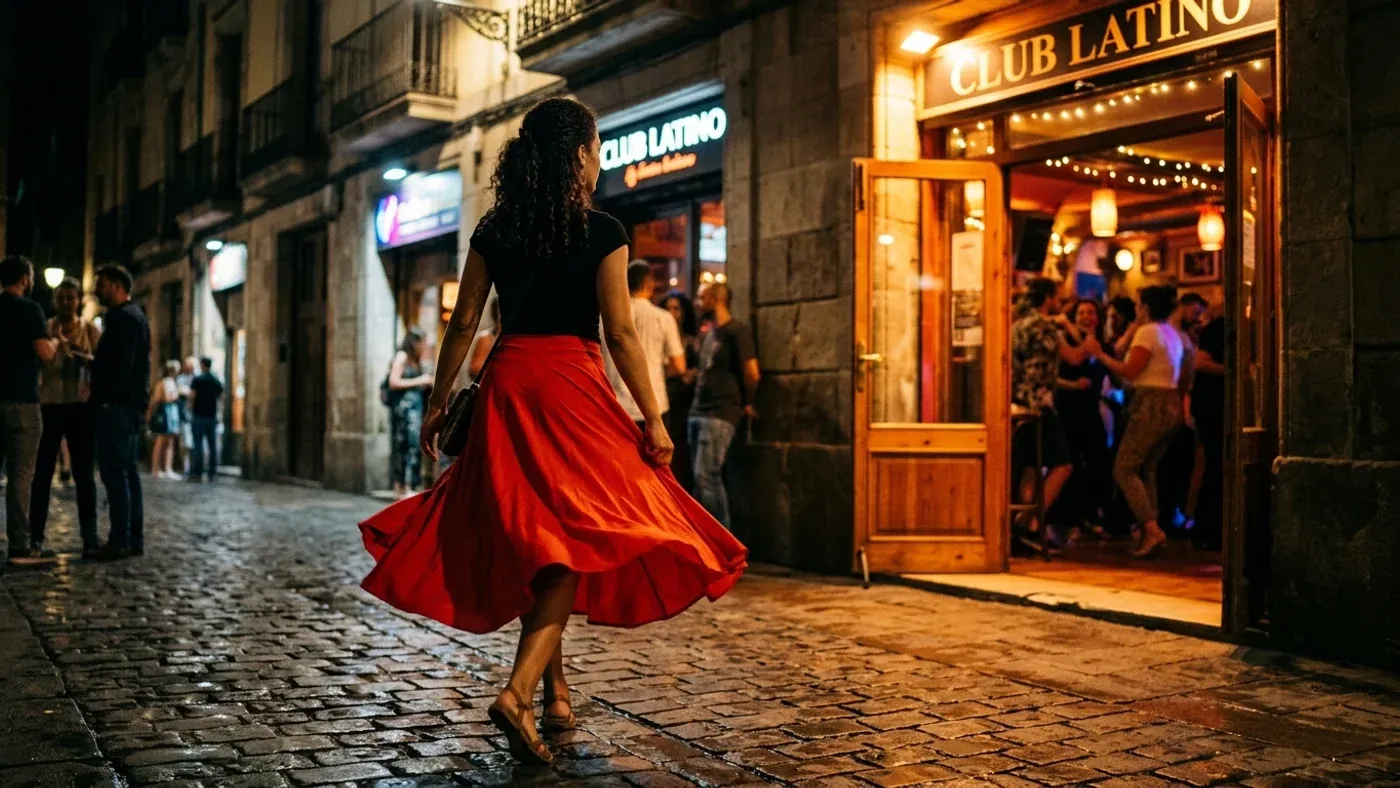
Each style tells a story about the city that shaped it. One is a conversation, one is a performance, and one is a meditation on rhythm. Knowing which is which doesn’t just make you a better dancer; it makes you a better traveler, able to walk into any club and understand the local tongue.
Cuban Salsa: The Circle Game
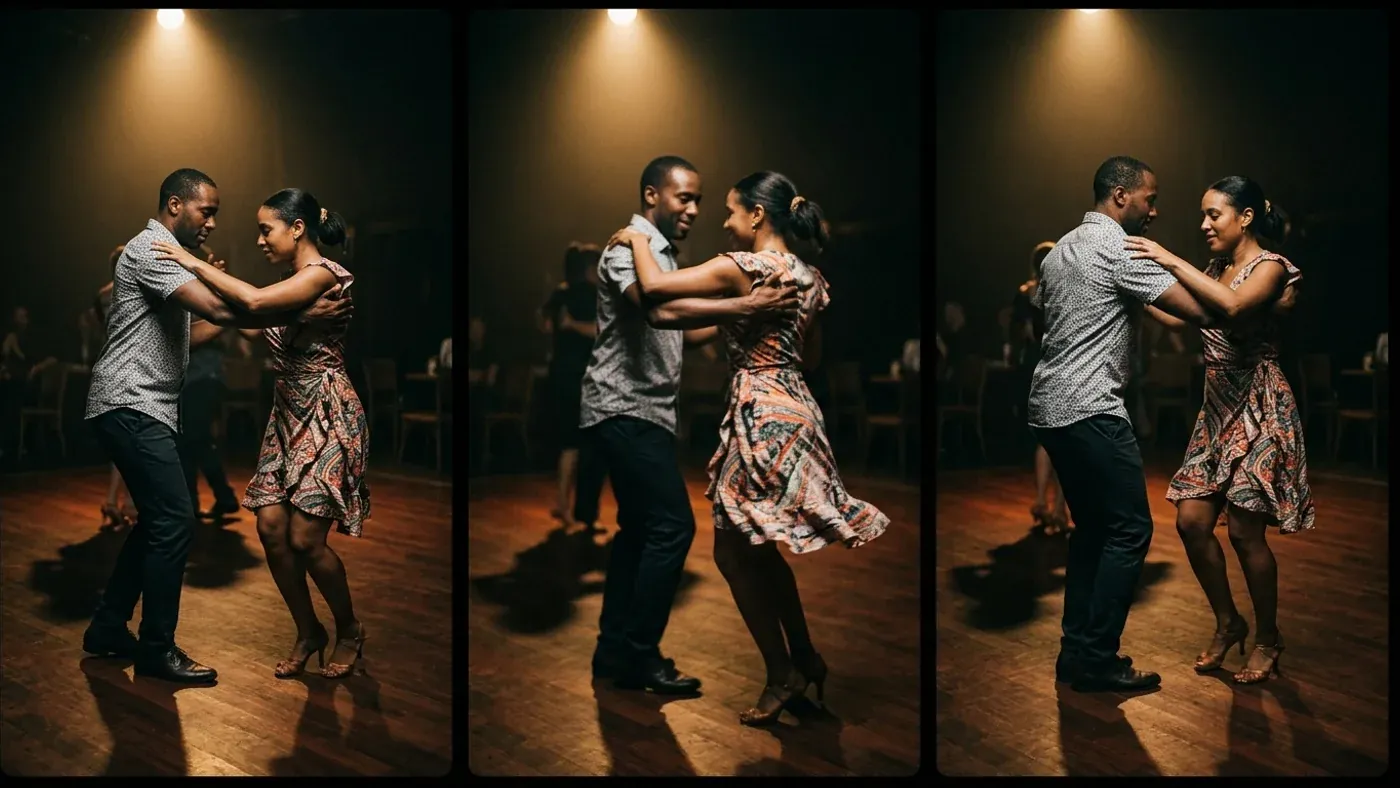
Properly called Casino, this is the style that evolved inside Cuba. It’s defined by its circular motion; partners orbit a shared central point, swapping places through a series of intricate, winding arm patterns. There is no rigid line or “slot.” The posture is grounded, with bent knees and a focus on body movement that feels natural, not choreographed.
Its signature expression is the Rueda de Casino (wheel of casino), a group dance where couples form a circle and execute moves shouted by a caller, swapping partners with every call. It’s social, chaotic, and incredibly fun. Musically, Casino thrives on timba, a dynamic, percussion-heavy sound from artists like Havana D’Primera and Los Van Van that’s full of breaks and rhythmic changes.
LA Style (On1): The Hollywood Slot
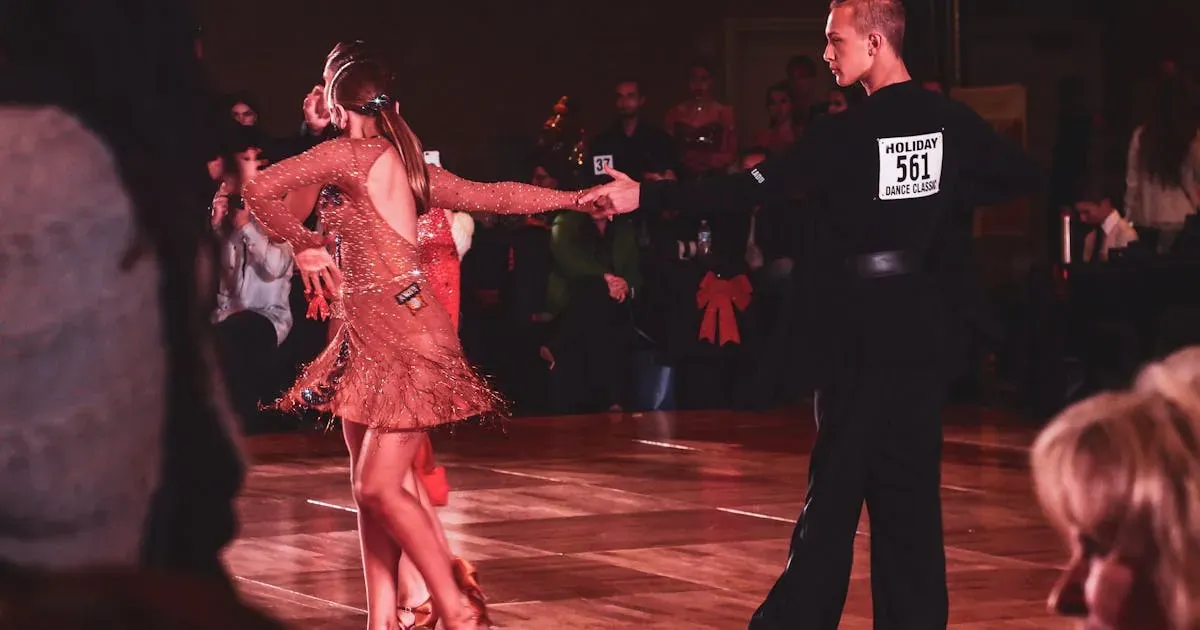
Los Angeles style is the salsa most of the world learns first. Developed in the 90s by the Vazquez brothers, it’s defined by its linear structure, or “slot.” The follower moves back and forth along this imaginary line, while the lead moves to the side to let her pass. This structure gives the dance its clean, camera-ready aesthetic, full of dramatic spins, dips, and sharp hits.
The timing is called “On1” because the lead breaks forward on the first beat of the musical phrase. This makes the rhythm feel driving and intuitive, aligning with the melody of the music. It’s the style of salsa romántica, think Marc Anthony or Gilberto Santa Rosa, and it dominates scenes in Los Angeles, London, and much of Asia.
NY Style (On2): The Mambo Dancer’s Secret
New York style, or Mambo, is the connoisseur’s choice. It uses the same linear slot as LA style, but the feel is completely different. The key is the timing: On2 dancers break on the second beat of the measure, syncing their steps with the slap of the conga drum (the tumbao). This creates a smoother, more fluid connection to the music’s rhythmic core.
Popularized by legends like Eddie Torres, On2 is less about flashy tricks and more about subtle musicality, control, and elegance. Dancers seem to float through patterns rather than hitting them hard. The music of choice is often classic salsa dura from the Fania era or the complex orchestrations of mambo big bands. You’ll find its heart in New York, with dedicated communities in Paris and Milan.

Finding Your Style on the Floor
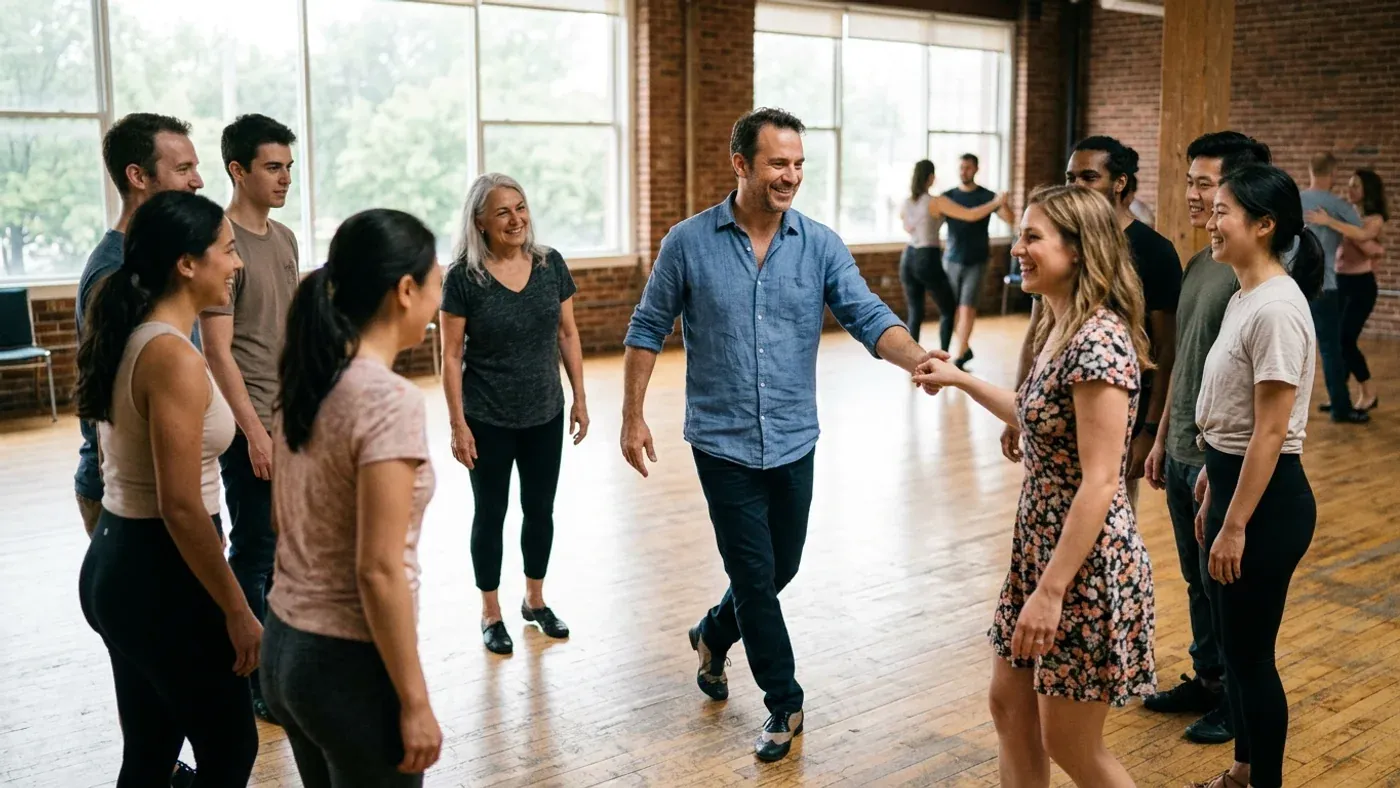
So how do you tell them apart in the wild? Watch the dancers’ feet and listen to the music. If they’re moving in a circle to the sound of Cuban timba, it’s Casino. If they’re in a line, hitting sharp poses to a romantic pop song, it’s LA On1. If they’re floating smoothly down that same line to classic mambo, it’s almost certainly NY On2.
the best style to learn is the one danced most in your local scene. For a quick comparison, here’s how the three stack up.
| Style | Feel | Structure | Timing | Music |
|---|---|---|---|---|
| Cuban (Casino) | Playful, Grounded, Social | Circular | On1 (or contratiempo) | Timba, Son |
| LA Style | Sharp, Theatrical, High-Energy | Linear (Slot) | On1 | Salsa Romántica, Pop |
| NY Style (Mambo) | Smooth, Elegant, Rhythmic | Linear (Slot) | On2 | Classic Salsa Dura, Mambo |
If you’re ready to see these styles in action, the best way is to travel. Explore the deep On2 scene in New York, start with Cuban culture in Miami, or see high-level LA style in its hometown. Or, for a crash course in everything at once, check out the best salsa festivals for 2026. And if you would rather build the basics at home first, compare the best online salsa courses; several teach both On1 and On2. The floor is waiting.
Find your next salsa social