At a Glance
This guide contains affiliate links. As an Amazon Associate, we earn from qualifying purchases at no extra cost to you. Our recommendations are based on real dance floor testing.
The first time it happens, you blame yourself. The spin feels sluggish, the break step a fraction late. You drill for weeks, but the timing at the social still feels off. Then you realize: it’s not you. It’s the 180 milliseconds of Bluetooth lag you’ve been practicing with at home.
Why Latency Is The Only Spec That Matters
For general listening, a small audio delay is unnoticeable. For a dancer building muscle memory, it’s a quiet disaster. That delay, called latency, trains your body to react to a beat that has already passed. A lag of 150ms is a full eighth-note at typical social tempos. Practice with that for months, and you’ll ingrain a habit of being late that will frustrate you on the real dance floor.
Your goal is a latency under 60-70ms; your brain can’t distinguish this from a live speaker. From 70-120ms is a grey area, not ideal, but workable. Anything higher will actively harm your timing. Standard Bluetooth (SBC, AAC codecs) on mismatched devices often lands in the 120-250ms range, which is unsafe for precision practice.
The Dancer’s Headphone Checklist
Beyond latency, a few other specs separate a good-enough earbud from a great practice partner. The fit must be unshakable through spins and dips, look for models with multiple tip sizes and stability fins. Sweat resistance is non-negotiable; an IPX4 rating or higher will protect the electronics from corrosion. Long sessions demand at least six hours of continuous playback.
A feature many dancers overlook is transparency mode. It uses external mics to let you hear your surroundings, a partner’s feedback, the doorbell, or your own feet on the floor, without taking the earbuds out. It’s a small detail that makes home practice feel much less isolating. High-end models from Apple, Sony, and Bose excel at this.
| Model | Best For | Latency | Est. Price |
|---|---|---|---|
| Apple AirPods Pro 2 | iPhone users | ~40-60ms | €250 |
| Sony WF-1000XM5 | Android users | ~50-80ms | €280 |
| Bose QC Ultra Earbuds | Noise cancellation | ~80-150ms | €300 |
| Anker Soundcore series | Budget-conscious | ~60-90ms | €100 |
Top Wireless Headphones for Dancers in 2026
These recommendations are based on what I and other dancers I trust use week in, week out. They’ve all passed the most important test: they don’t mess with your timing.
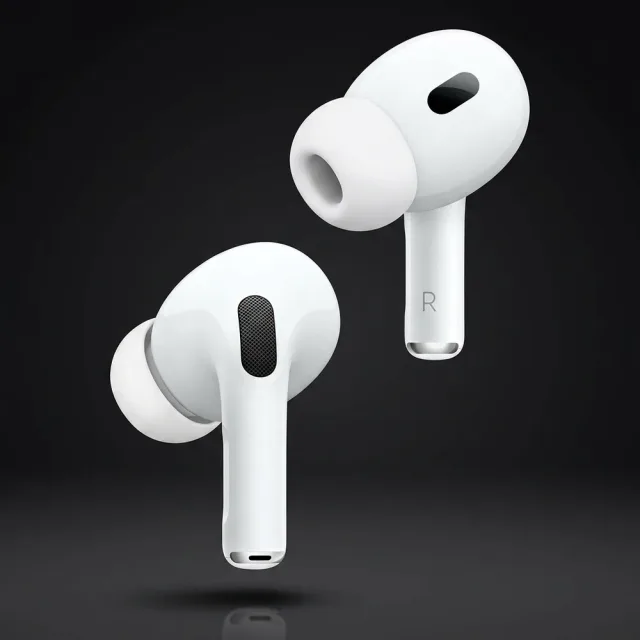
For iPhone Users: Apple AirPods Pro 2
If you practice with an iPhone, this is the simplest and most reliable choice. The H2 chip creates a low-latency connection of around 40-60ms that standard Bluetooth can’t match. The fit is secure for most ears, the transparency mode is best-in-class, and they just work, every time. For an Apple user, they are the clear winner for dance practice.
For Android Users: Sony WF-1000XM5
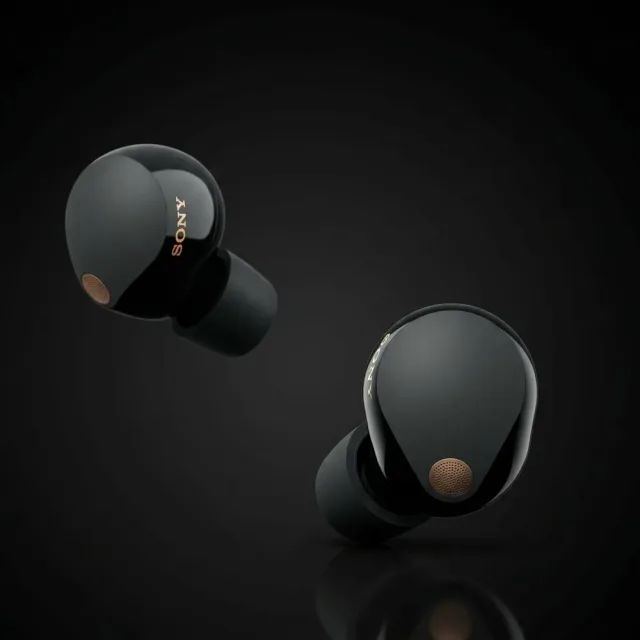
On Android, the key is matching your phone and earbuds’ codec support. The Sony WF-1000XM5 earbuds support LC3 and LDAC, which deliver latency in the safe 50-80ms range on compatible phones. The sound quality is phenomenal, and their noise cancellation is arguably the best on the market, perfect for tuning out distractions. The foam tips provide a very secure, noise-isolating fit.
The Budget Pick: Anker Soundcore Series
For a fraction of the flagship price, brands like Anker Soundcore offer earbuds with a dedicated low-latency “Gaming Mode.” This feature, toggled in their app, can bring latency down into the 60-90ms range, making them perfectly viable for practice. You sacrifice some audio fidelity and noise-cancellation quality, but for pure timing practice on a budget, they are an excellent choice.
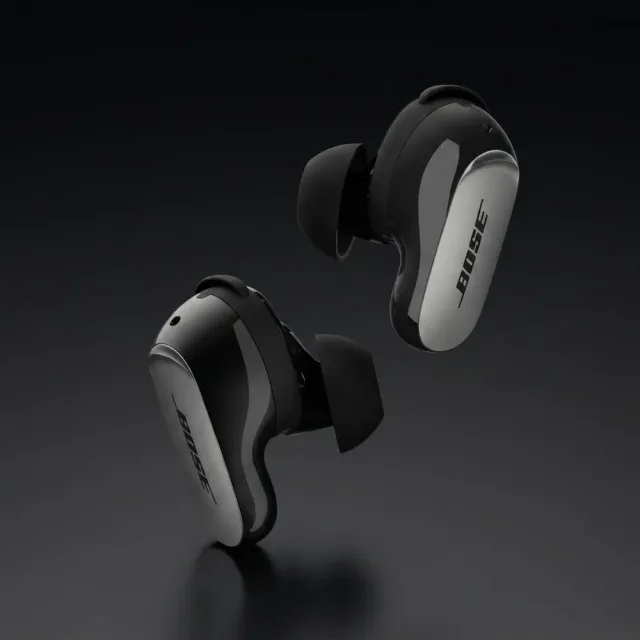
For Blocking Out the World: Bose QC Ultra Earbuds
If your practice space is noisy, roommates, city traffic, a loud family, Bose’s noise cancellation is legendary for a reason. The QuietComfort Ultra Earbuds create a bubble of silence that lets you focus completely on the music. On compatible Android devices, the aptX Adaptive codec keeps latency manageable. They are a premium choice for dancers who need absolute focus.
The Open-Ear Dilemma
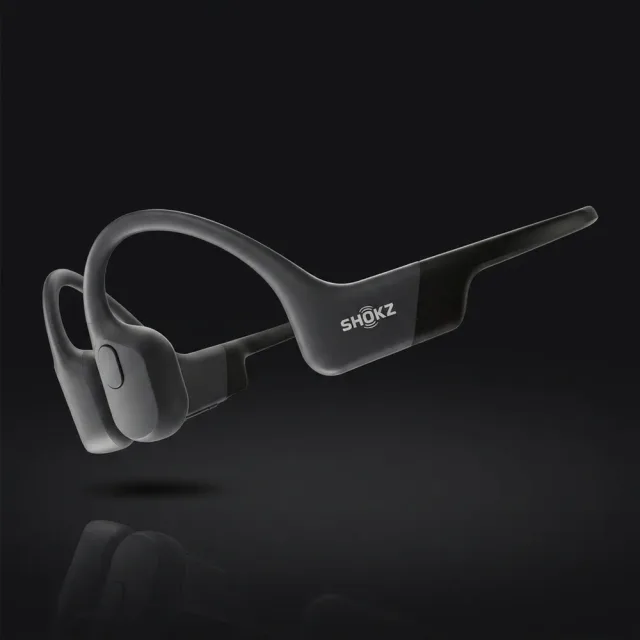
Bone conduction or open-ear headphones, like the popular Shokz models, are a different beast entirely. They leave your ear canal completely open, which is fantastic for situational awareness. You can drill footwork in the park and still hear a cyclist coming, or take an online lesson and hear your own voice clearly. They are also incredibly comfortable for long sessions with no in-ear pressure.
The trade-off is sound quality and, often, latency. Bass, the rhythmic heart of bachata and kizomba, is noticeably weaker. And many models have higher latency that isn’t ideal for precision timing. My take: they are a brilliant secondary pair for drills where awareness trumps perfect rhythm, but I wouldn’t make them my only practice tool.
Fine-Tuning Your Home Practice
Getting the right gear is the first step. The next is building the right habits. A few small tweaks to your setup can make a huge difference in how effectively you train at home.
Once your ears are sorted, think about your feet. The right shoes transform your movement, so check out our guides to the best bachata dance shoes in 2026 or find a great social on our bachata events calendar.
Browse all bachata events