At a Glance
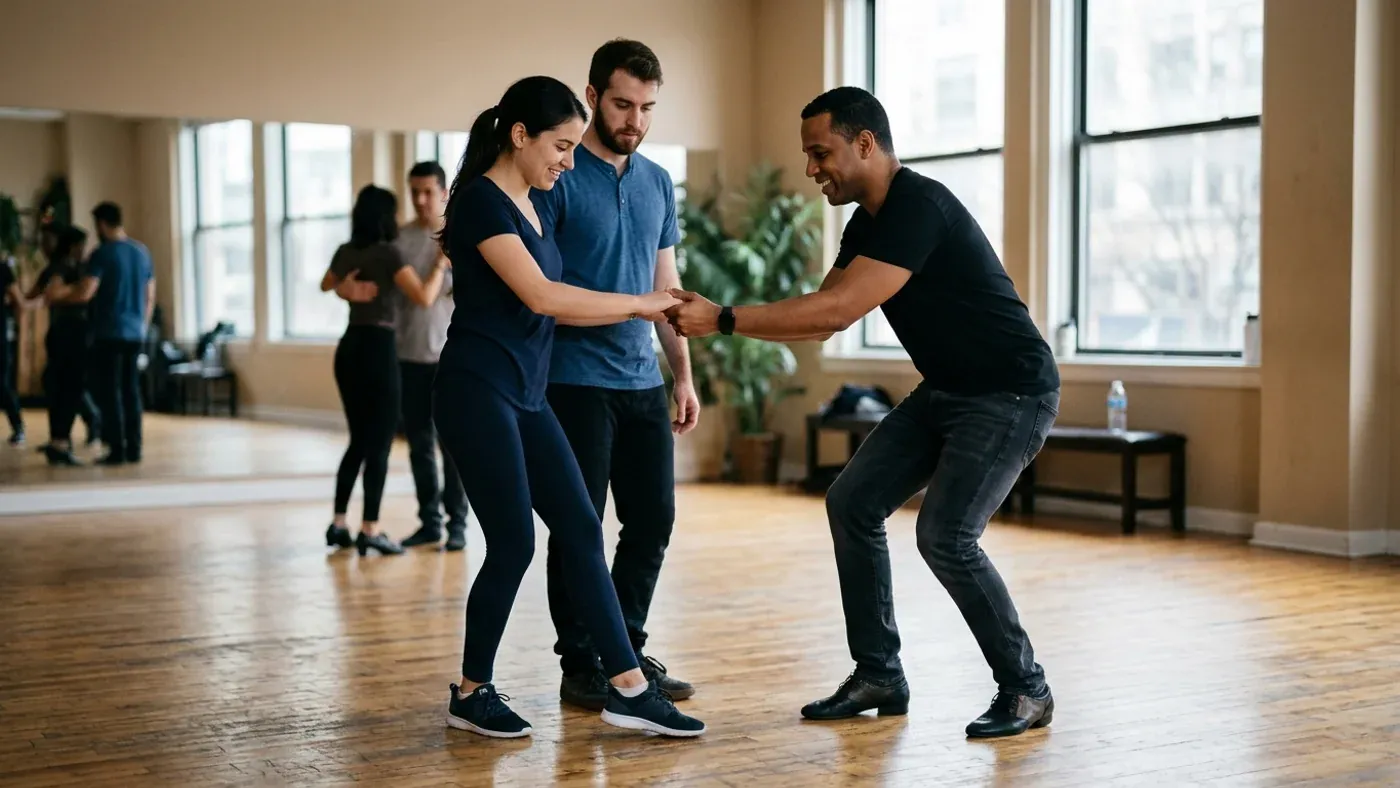
My first teacher didn’t show us a step. She made us close our eyes and clap the bongo hits from a crackly speaker. ‘This is bachata,’ she said, as half the class rushed the beat. ‘The feet come later.’ That one lesson shaped the next decade of my dancing.
Why Your First Teacher Shapes Everything
An experienced dancer can often spot who someone’s first teacher was. It’s in their basic step, the way they hold their frame, the music they respond to. These early habits are sticky. A great first teacher gives you a clean foundation and a love for the music. A mediocre one can instill bad habits that take years to unlearn.
More than technique, they transmit culture. Bachata is a dance from the Dominican Republic with a rich, complex history. A teacher who honors this, who plays classic artists like Raulin Rodriguez alongside modern hits, is teaching you the whole dance. They are your entry point to the local scene, connecting you to the community you’ll soon call home.
The Hallmarks of a Great Teacher
A great teacher builds dancers, not just choreography memorizers. They focus on the feeling of the dance, not just the shapes. They understand that the goal isn’t to look good, but to feel good, to your partner and to yourself. This philosophy shows up in how they structure their class and what they choose to emphasize from day one.
This isn’t about finding a world champion. It’s about finding a patient, clear communicator who respects the dance and its students. You can spot the difference in a single trial class if you know what to look for. They prioritize connection over complexity and make the classroom feel like a safe place to fail, which is the only way to learn.
| What to Look For | What to Question |
|---|---|
| Teaches musicality before moves | Rushes to complex patterns |
| Focuses on partner connection | Drills solo shines for weeks |
| Honors Dominican roots & music | Only plays Sensual/Remix tracks |
| Patiently corrects the basic step | Gets frustrated with slow learners |
| Rotates partners frequently | Allows cliques to form in class |
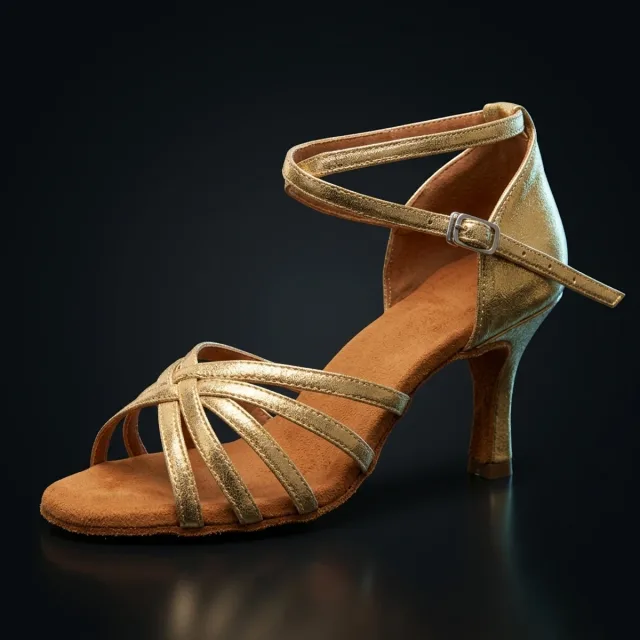
Gear for your first socials


Affiliate link
Red Flags to Watch For
Trust your gut. If a class feels off, it probably is. Some red flags are subtle, but others are clear warnings. A teacher who dismisses Dominican bachata as “old” or frames Sensual as superior is teaching from a place of ignorance. Both are valid and beautiful parts of the dance; a good instructor respects the entire family tree. For more on this, our bachata styles guide breaks it down.
Be wary of schools that push you into “intermediate” classes after only a few weeks. Building a solid foundation takes months. Also, watch out for teachers who make physical corrections without asking or seem more interested in selling private lessons than improving their group classes. The best teachers build a community, not just a client list.
Your Strategy for Choosing a School
Don’t commit to a 10-week course after one class. Your first month is for exploration. Visit at least two or three different schools. Even a bad class is useful, it calibrates your sense for what a good one feels like. Pay the drop-in rate and treat it like research. Notice the energy in the room. Do students seem happy and engaged? Does the teacher give individual attention?
While in-person classes are essential for learning partner connection, online platforms can be a powerful supplement. They are excellent for practicing footwork and musicality at home. Once you find a local school you like, use online resources to accelerate your learning between classes.
What Comes After the Basics
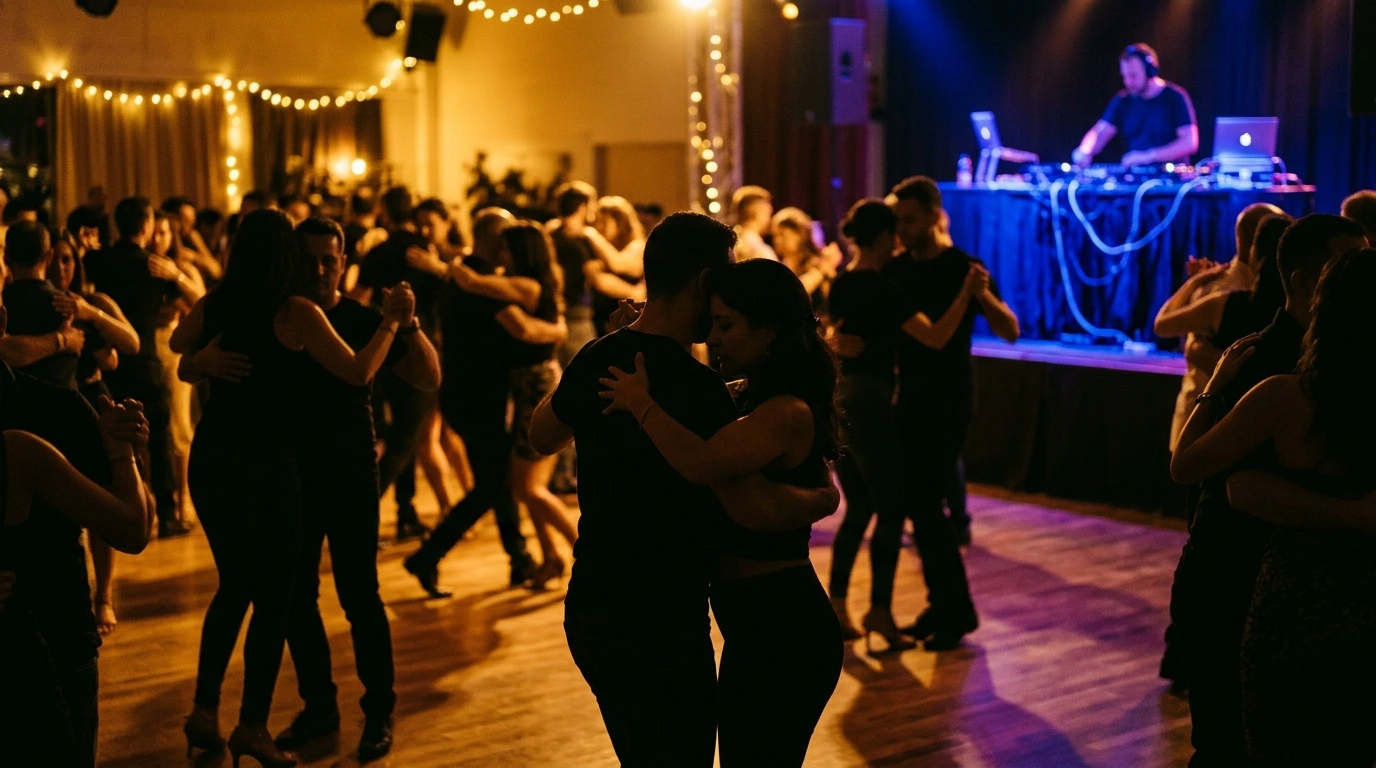
After about six months of consistent classes and social dancing, you’ll start to feel the itch for more. This is when the wider bachata opens up through festivals. These weekend-long events bring in top international instructors for workshops and feature huge social dance parties at night. They can be overwhelming for total beginners, so it’s wise to wait until your fundamentals are solid.
Attending a festival is like a shot of adrenaline for your dancing. You get exposed to new styles, meet dancers from other cities, and feel the energy of a massive, passionate community. It’s an incredible goal to work towards. Check the Bachata festival calendar to see what’s happening. Many of the best scenes are in Europe, from the massive socials in Madrid to the stylish clubs of Paris.
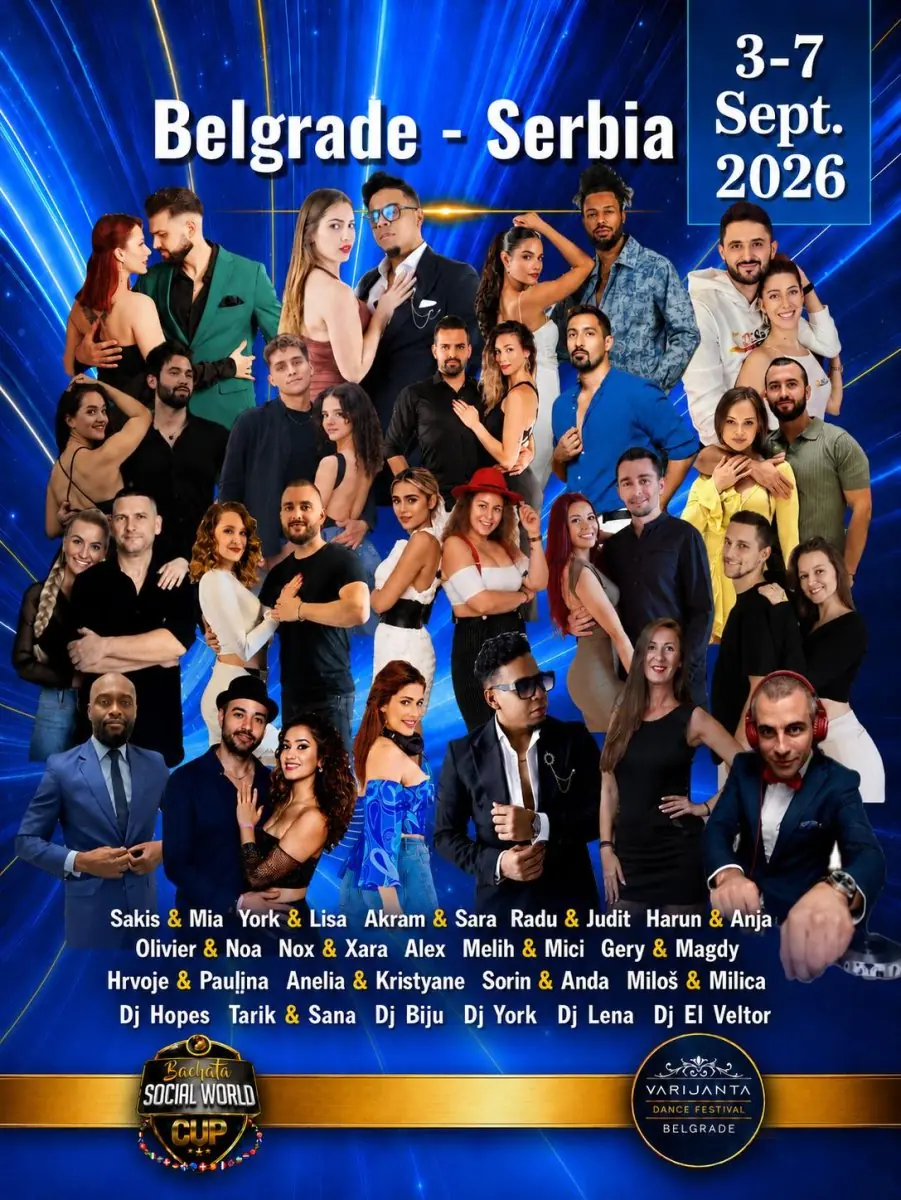
- SEP3
- SEP3Varijanta Dance Festival BelgradeBachataKizomba
- SEP4Prishtina Dance Festival 2026BachataSalsa
- SEP4
- SEP4Finland Latin Festival 4SalsaBachataKizomba
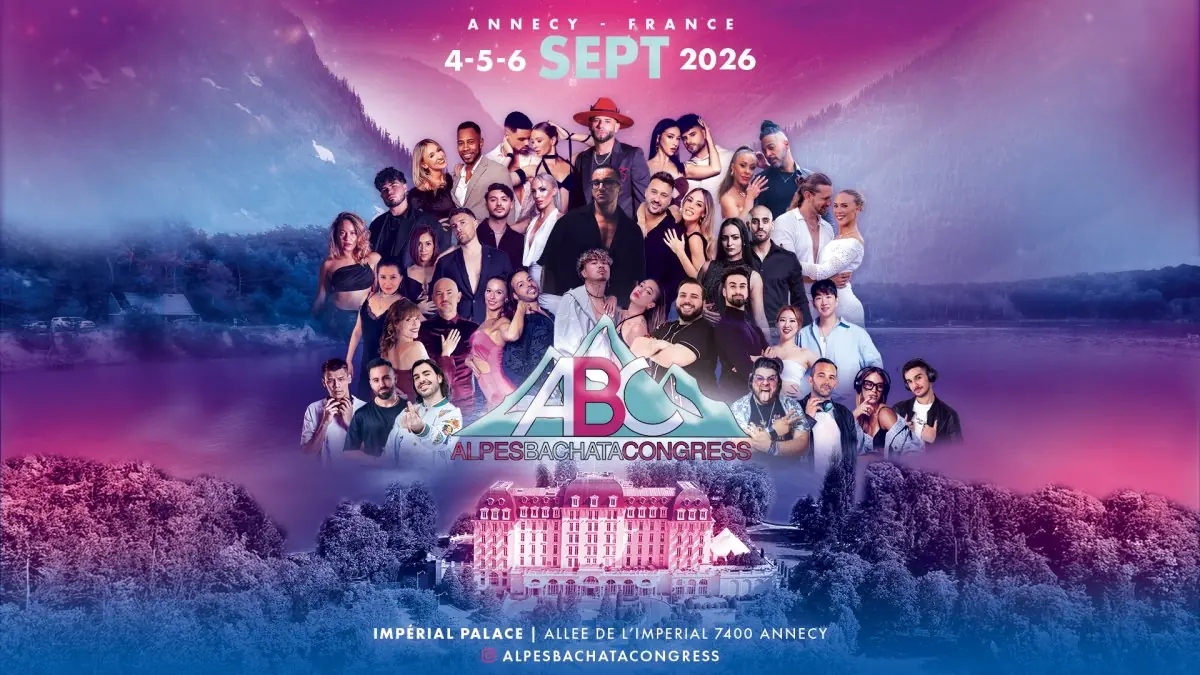
- SEP4

Choosing that first teacher is the most important decision you’ll make in your dance journey. They give you more than steps; they give you a foundation. Choose well, and you’ll be building on it for years to come.
Browse bachata events worldwide