At a Glance
My teacher once told me, “You’re doing the steps perfectly. Now you need to start dancing them.” I was lost. I had the footwork, but my body was just a passenger. He was right. This guide is about teaching your body to drive, not just follow a map. It’s the shift from executing steps to truly feeling the dance.
Start With Your Posture
If your posture is wrong, nothing else works. Good posture feels like a string pulling you tall from the crown of your head. Your shoulders drop, your core engages, and your knees stay soft. This isn’t about being rigid; it’s about creating a long, relaxed axis for your body to move around. It’s the home you always return to.
Salsa is a vertical dance. With a collapsed spine, the energy has nowhere to go. Good posture allows your weight to transfer cleanly, making everything from hip motion to spins feel effortless. For follows, a stable axis is what makes a triple spin feel as easy as a single. Many beginners look at their feet, which breaks this posture.

Master Your Weight Transfer
Every step in salsa is a full commitment. When you step on your left foot, 100% of your weight should arrive there, freeing the right foot completely. Beginners often take partial steps, keeping their weight split. This makes the dance feel hesitant and small. Practice stepping with intention, letting your body fully arrive on each foot.
Think of your basic step as just a series of complete weight transfers. Forward on 1, replace on 2, back on 3. Each step is a full arrival. This is the engine of the dance. Every pattern, from a cross-body lead to complex shines, is built on this foundation. Solid transfers make everything else work.
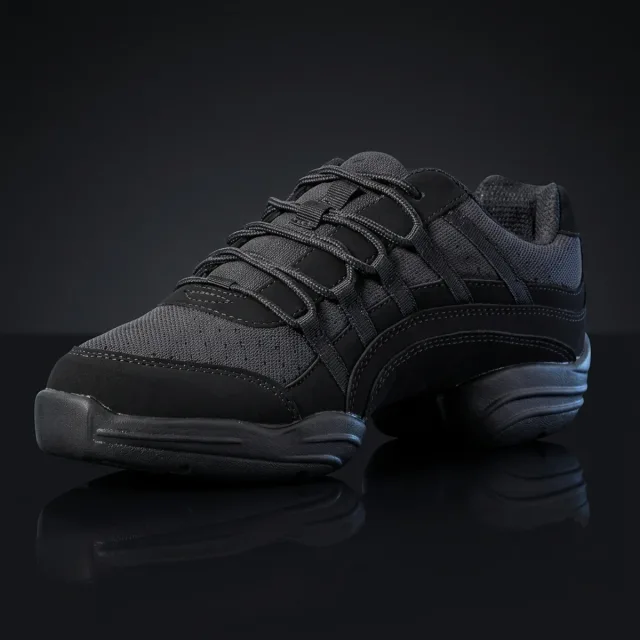
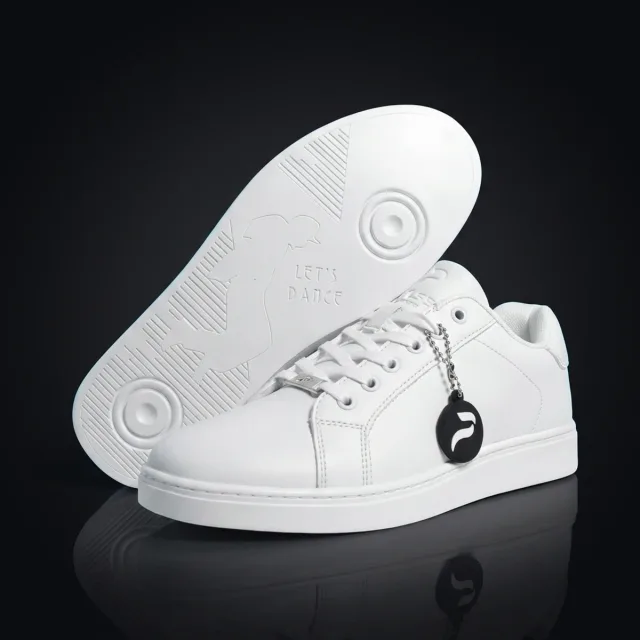
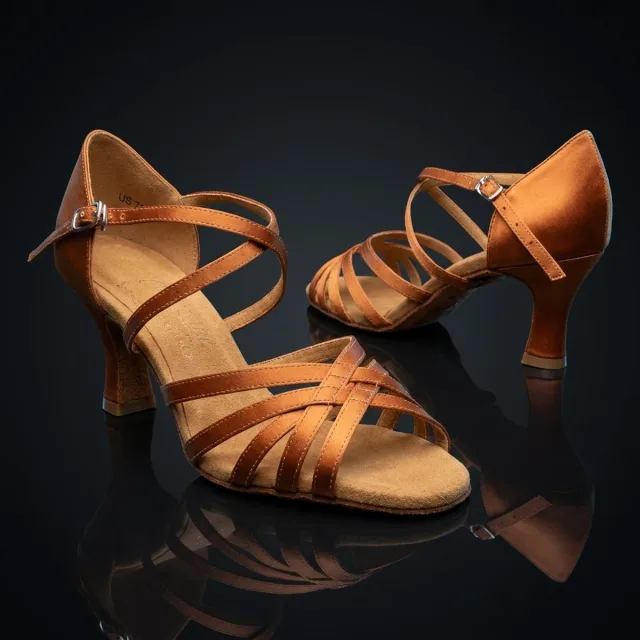
Gear for your first socials
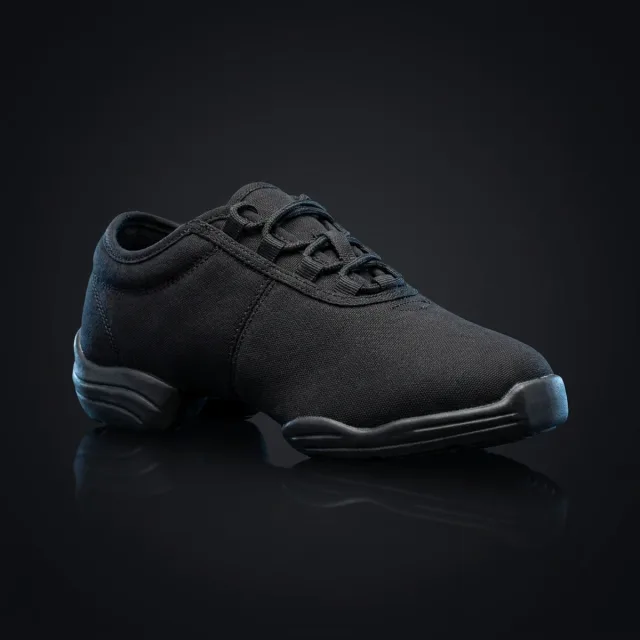
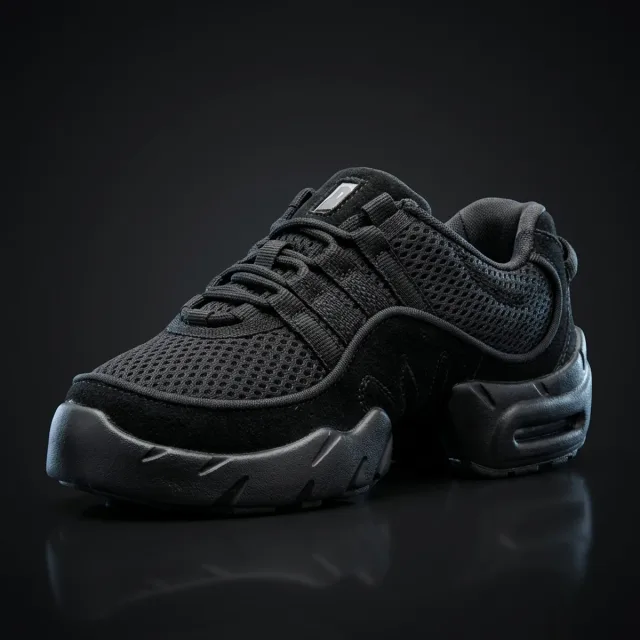
Affiliate link
Let Your Hips Follow Your Knees
That fluid hip motion, often called Cuban motion, isn’t something you “add.” It’s a natural result of correct leg action. Trying to consciously shake your hips looks awkward and forced. Instead, focus on your knees. The movement is a consequence of good technique, not the goal itself.
As you transfer weight onto a foot, the knee is slightly bent. As you settle your weight, the leg straightens, causing that hip to drop. This creates a subtle figure-eight motion. This technique is central to many styles, as our guide to salsa styles explains. Keep your knees unlocked and soft to allow this natural movement.
Build a Frame for Connection
Your frame, the tone in your arms, back, and shoulders, is how you communicate. It’s not stiff, but it’s not limp either. Imagine holding a large beach ball; your arms have energy and a consistent shape. This structure is what allows a lead and follow to have a non-verbal conversation. Elbows should stay in front of your body.
Connection flows both ways. A lead initiates, but a follow’s response sends information back about balance and readiness. A good lead listens with their hands and adapts. This dialogue is what makes social dancing feel alive. For more on this, see our dance floor etiquette guide.
| Problem | What it feels like | How to fix it |
|---|---|---|
| Limp Frame | No tone, like dancing with noodles | Engage back muscles, keep elbows slightly forward |
| Stiff Frame | Rigid, like dancing with a statue | Relax shoulders, soften elbows, breathe |
| Broken Frame | Elbows collapse behind your body | Keep elbows in front of your hips at all times |
Putting It All Together
When posture, weight transfer, and frame become second nature, you stop thinking about technique and start feeling present. This is why a veteran dancer can look incredible doing a simple basic step. The complexity isn’t in the pattern; it’s in the quality of the movement itself. Seeing this in person at one of the best salsa festivals for 2026 can be a huge inspiration.
Focus on one fundamental per week. Film yourself to see what you’re really doing, the camera doesn’t lie. If you want a step-by-step progression to follow, the programs in our learn salsa online guide drill body movement with close-up angles you can replay. This patient work will improve your dancing more than learning a hundred new patterns. It’s the difference between knowing the steps and truly embodying the dance. Soon you’ll be ready to hit the floor in the top salsa cities in Europe.
Find a Social to Practice