At a Glance
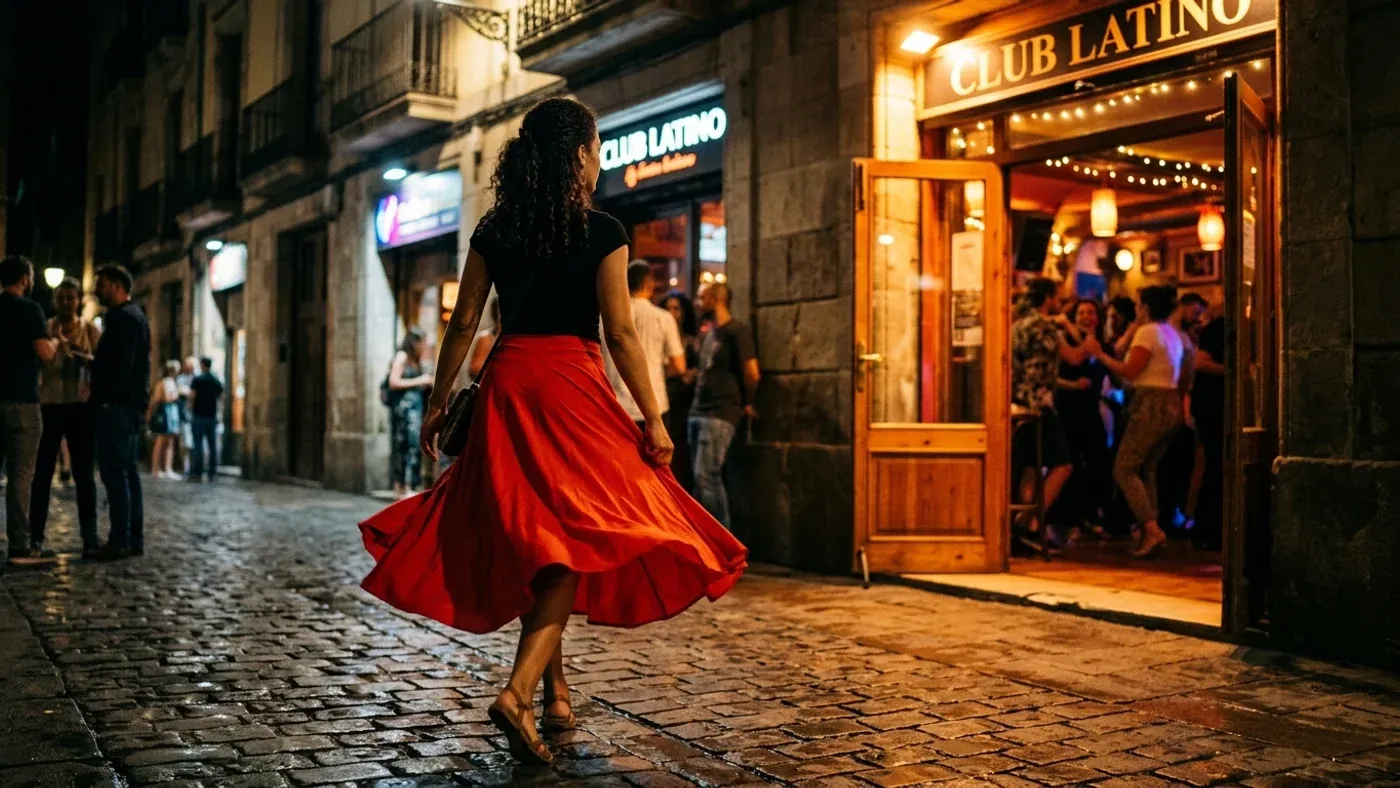
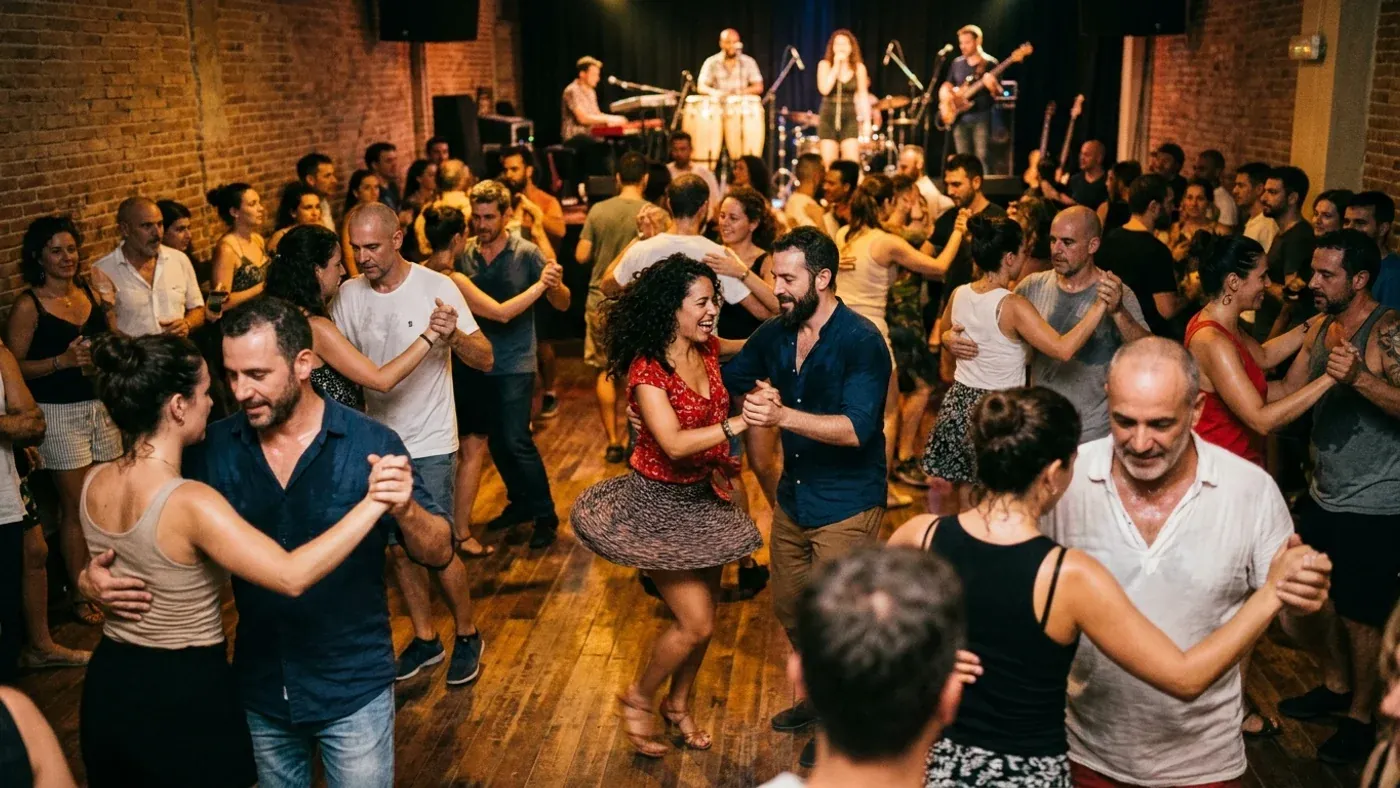
The clave rhythm echoes off the walls of a Gothic Quarter alleyway as you walk home at 4 AM. That’s the Barcelona promise: a city where the party doesn’t just last all night, it has a syncopated heartbeat. This isn’t a scene of polite studio socials; it’s a living, breathing Latin quarter pulse.
How Barcelona Dances
Barcelona’s salsa scene is defined by its potent Latin American soul. Unlike more workshop-driven cities, the dance floors here are fueled by a large, native-dancing diaspora. This gives the socials an improvisational, street-style energy you can’t replicate. Cuban salsa is the city’s natural accent, danced with a grounded, circular flow that feels right at home.
The international crowd brings a strong contingent of linear LA and NY style dancers, creating a blended floor where a slick On1 pattern is often followed by a full rueda de casino. It’s less about rigid style camps and more about a shared love for the music, which leans classic and satisfyingly heavy on timba.
The Clubs That Matter
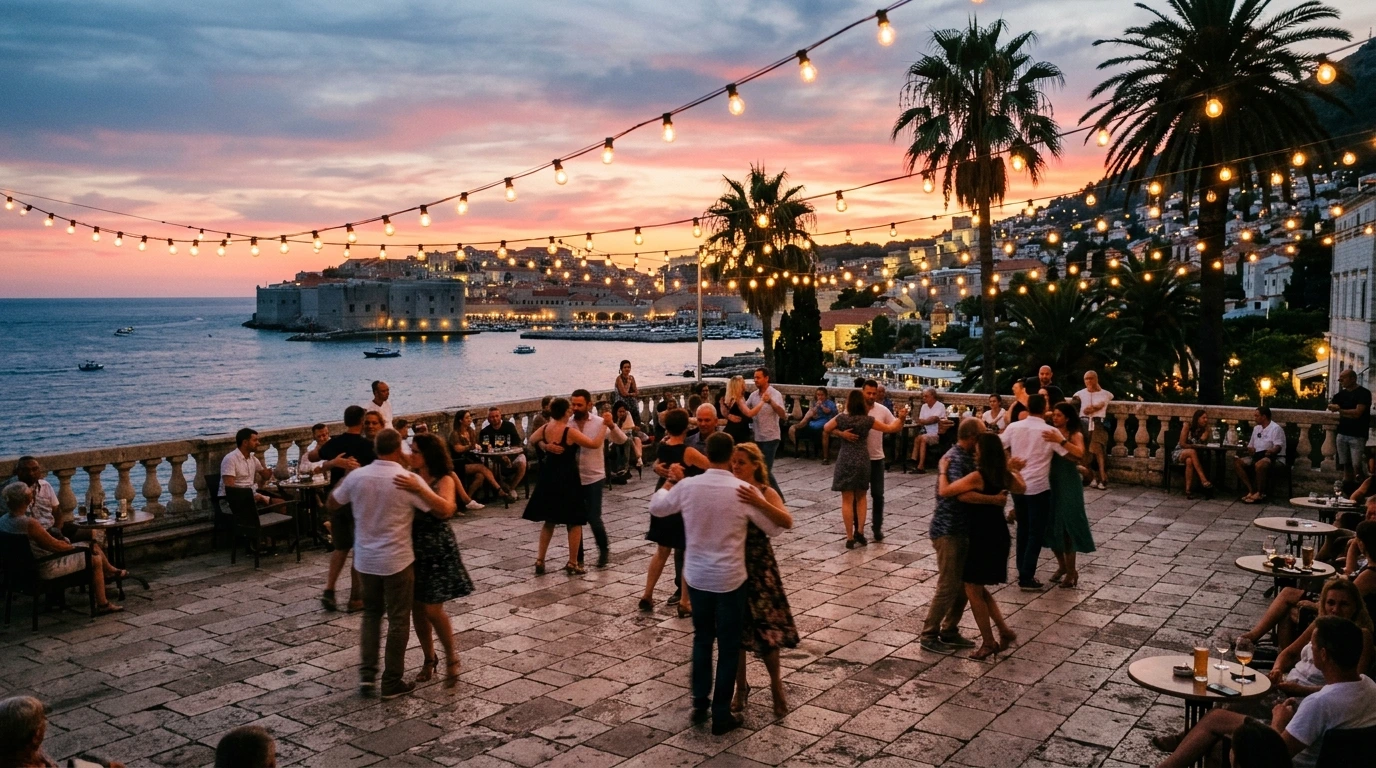
While pop-up events flourish, the city’s salsa scene revolves around a few dedicated institutions. These are the clubs that anchor the community, providing reliable, high-quality dancing week after week. If you only have a weekend, these are the names to build your nights around.
| Venue | Best Nights | Cover | The Vibe |
|---|---|---|---|
| Antilla Salsa | Thu–Sun | €12–€15 | The legendary institution; serious dancers |
| Mojito Club | Thu–Sun | €10–€15 | Big club feel, younger, more tourists |
| El Sabor Cubano | Daily | Free | Cozy Cuban bar in Gràcia; local feel |
Antilla Salsa
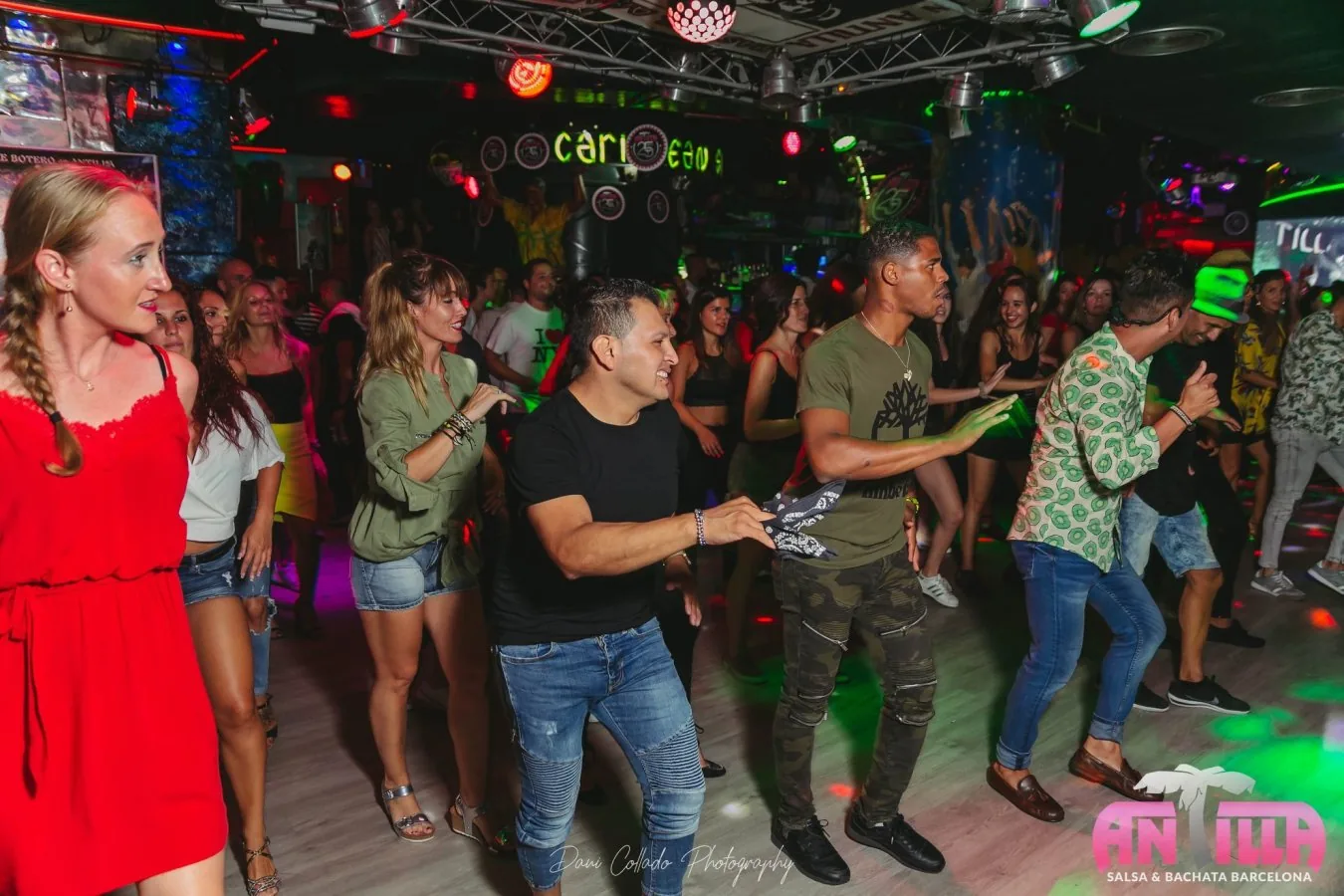
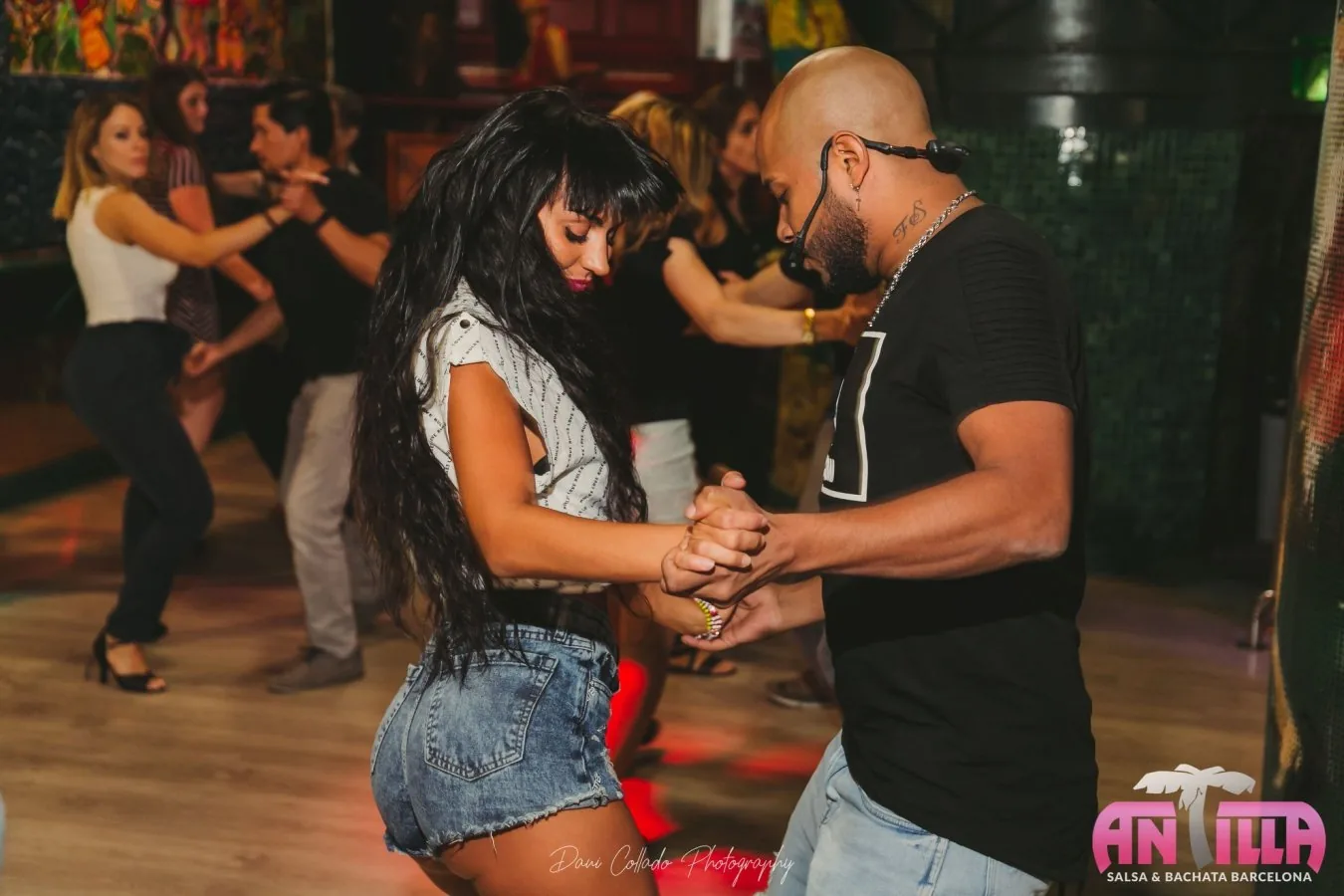
For decades, Antilla has been the heart of Barcelona’s salsa scene. This is where you go for a guaranteed great dance. The floor is packed with skilled regulars, the DJs are masters of their craft, and the energy is infectious from midnight until dawn. On Fridays and Saturdays, the club runs two rooms, one for salsa and timba, the other for bachata.
Entry typically costs around €12 and includes a drink. The floor gets crowded, so good floorcraft is essential. This isn’t the place for expansive moves, but it’s the perfect spot to test your musicality and connection in a high-energy environment. It’s an essential stop for any visiting dancer.
Mojito Club
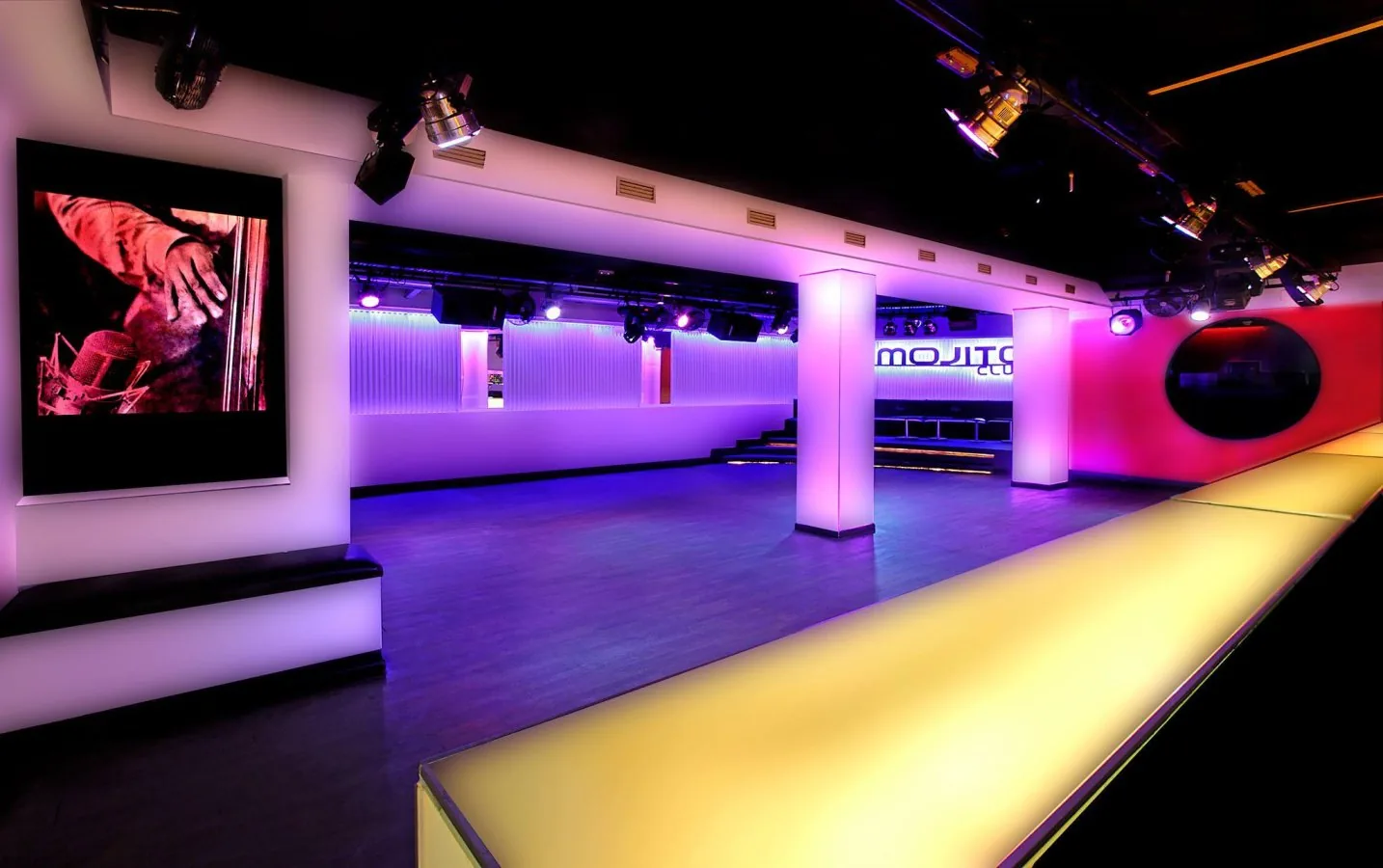
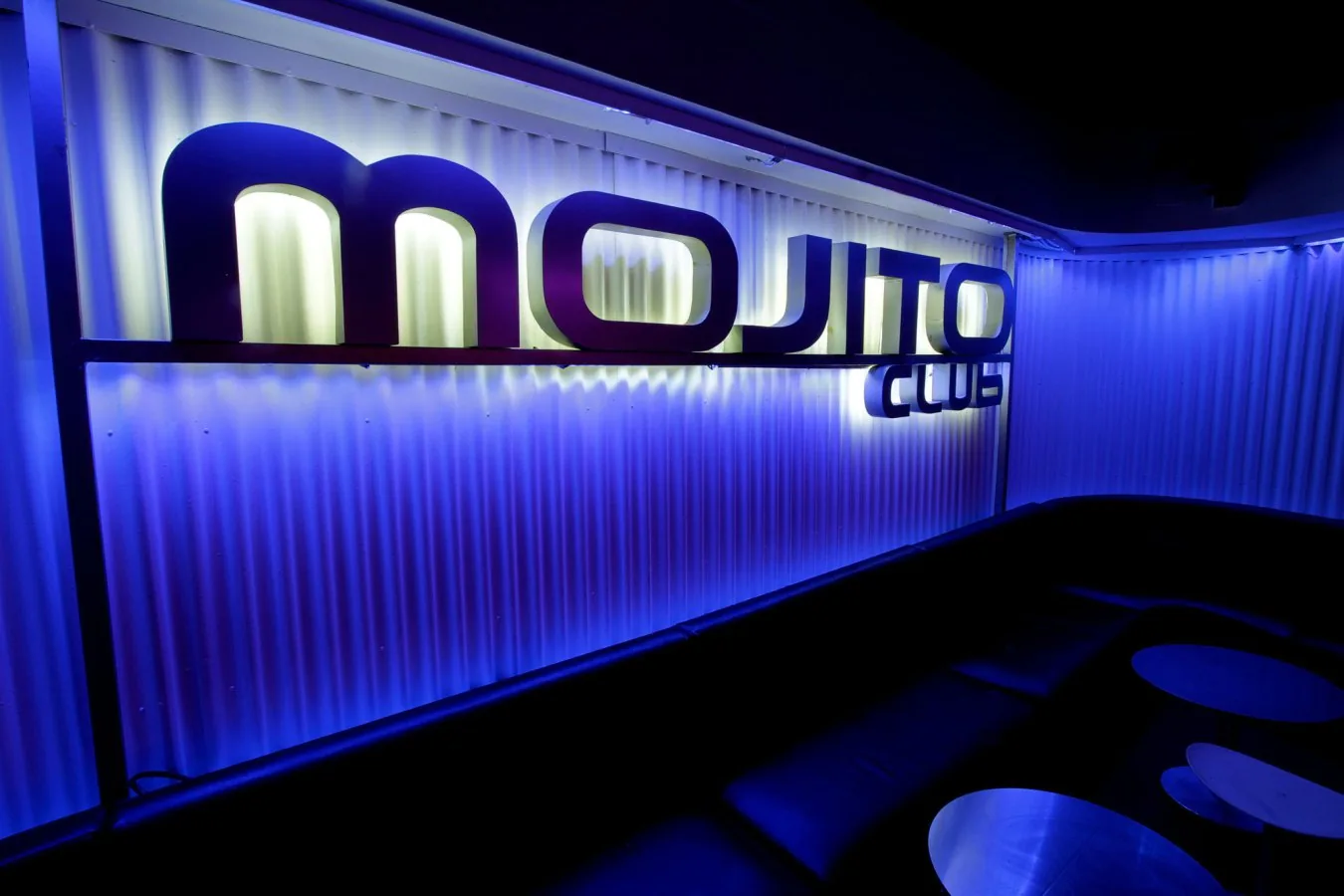
If Antilla is the seasoned veteran, Mojito Club is the high-energy younger sibling. It draws a slightly younger, more international crowd and blends salsa and bachata with reggaeton later in the night. The club hosts dedicated Latin nights from Thursday to Sunday, often starting with classes before the main social.
The atmosphere is pure party, with a large dance floor and a focus on fun. It’s a fantastic place to meet people and is a reliable option for a weekend night out. It’s also a great complement to Antilla; many dancers will start at one and finish at the other.
El Sabor Cubano
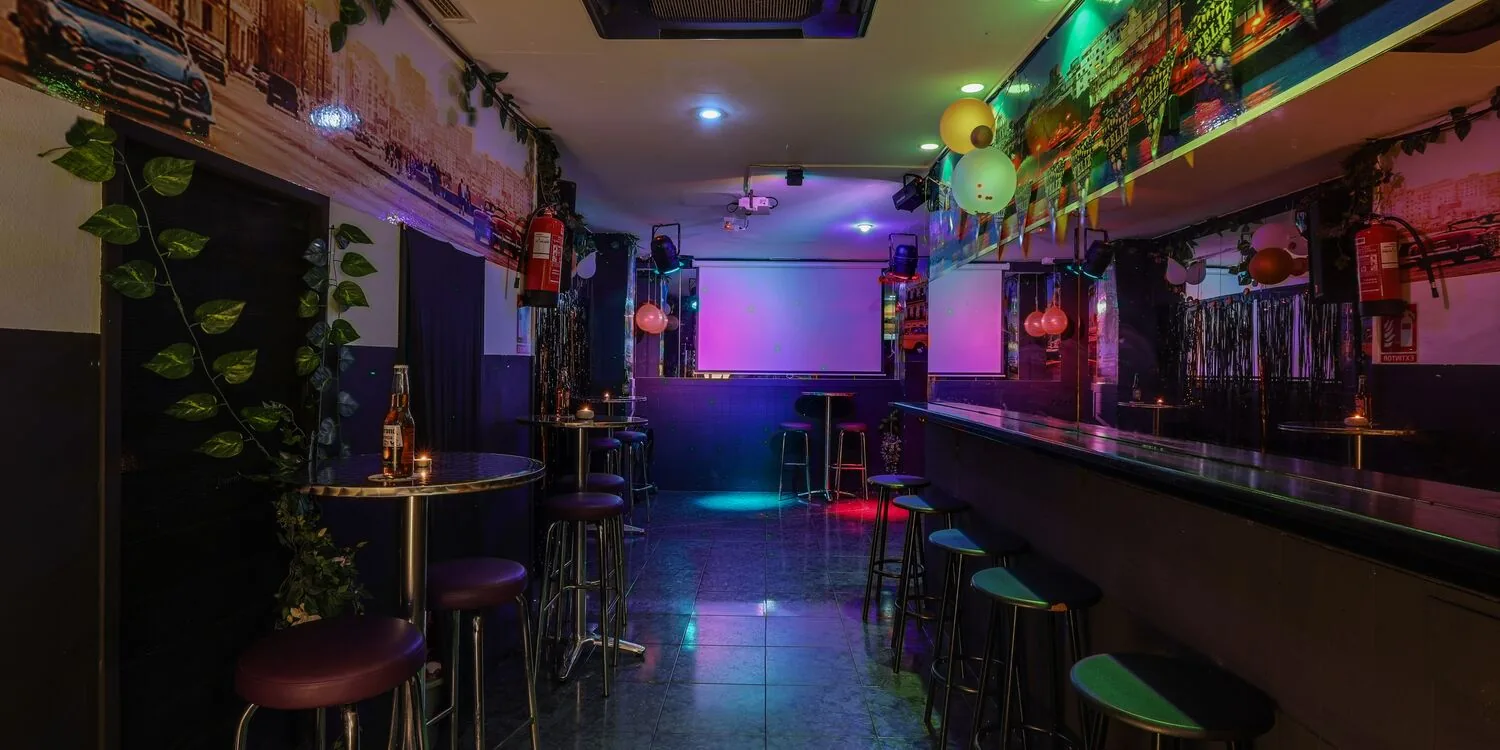
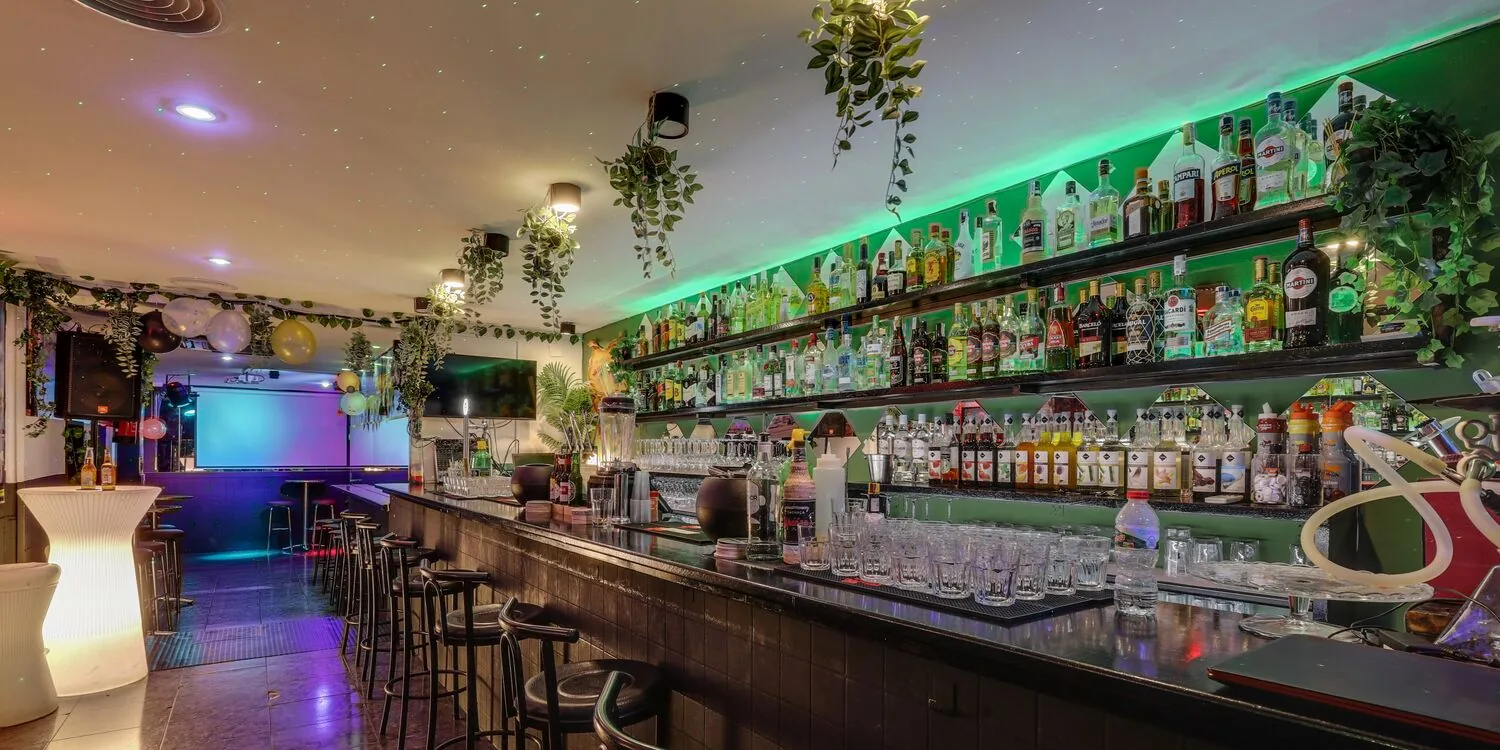
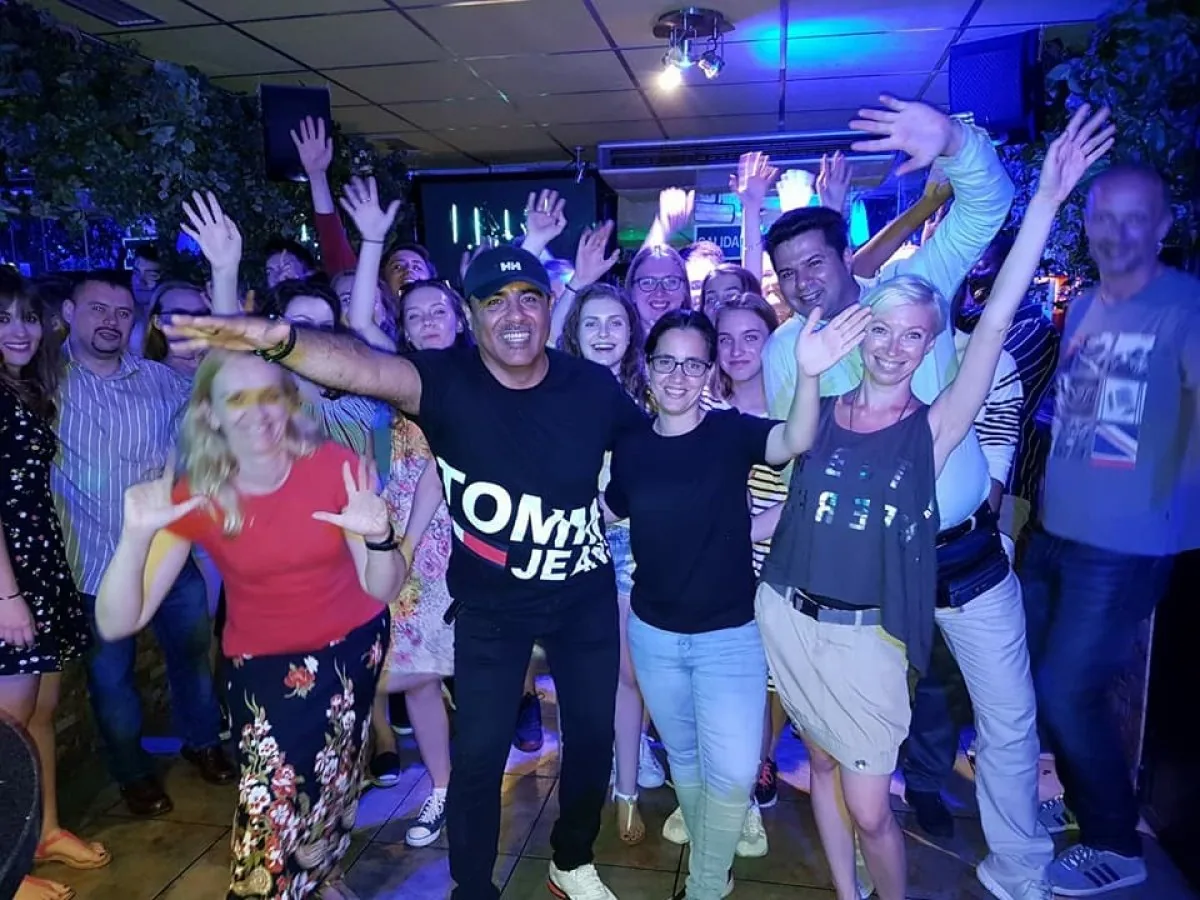
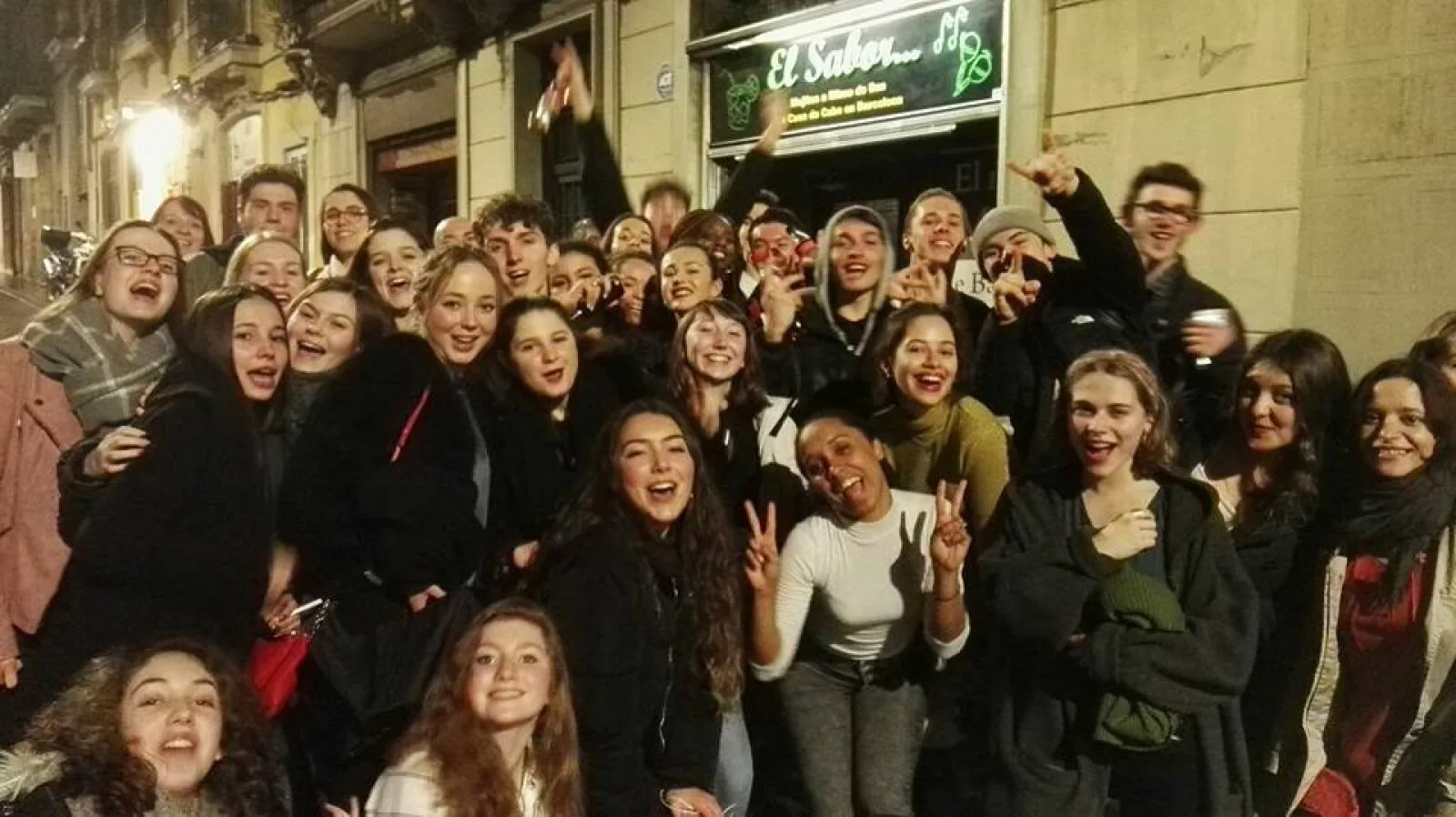
Nestled in the charming Gràcia neighborhood, El Sabor Cubano offers a more intimate and authentic experience. It’s a true Cuban bar that just happens to have dancing every night. Expect free entry, fantastic mojitos, and a soundtrack heavy on son, timba, and classic Cuban tracks.
This is the perfect spot for a weeknight dance or a pre-club warmup on the weekend. The space is smaller, fostering a friendly, local atmosphere where you’ll quickly feel like a regular. It’s an essential part of the city’s salsa identity.
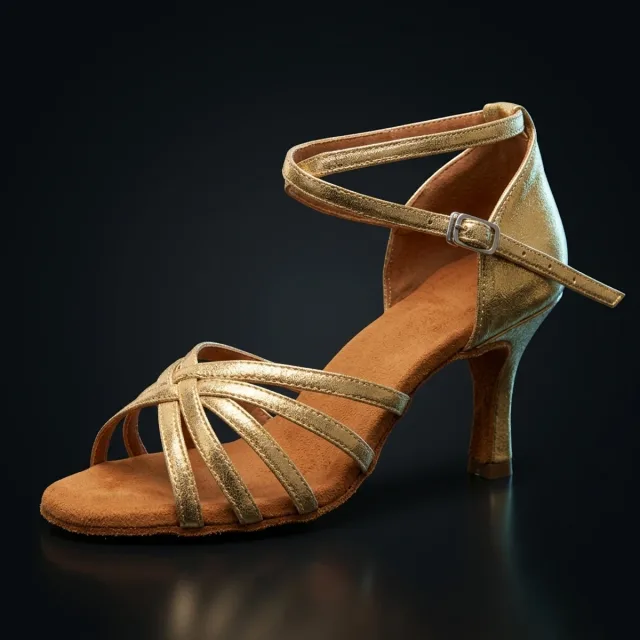
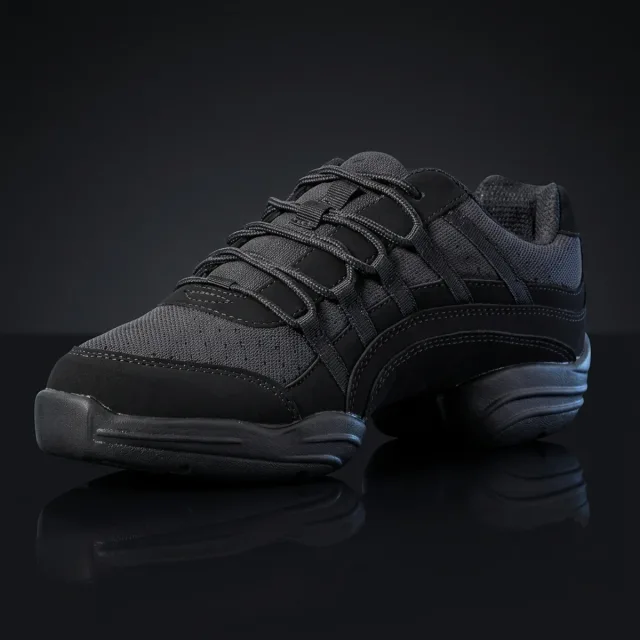
What to pack for Barcelona
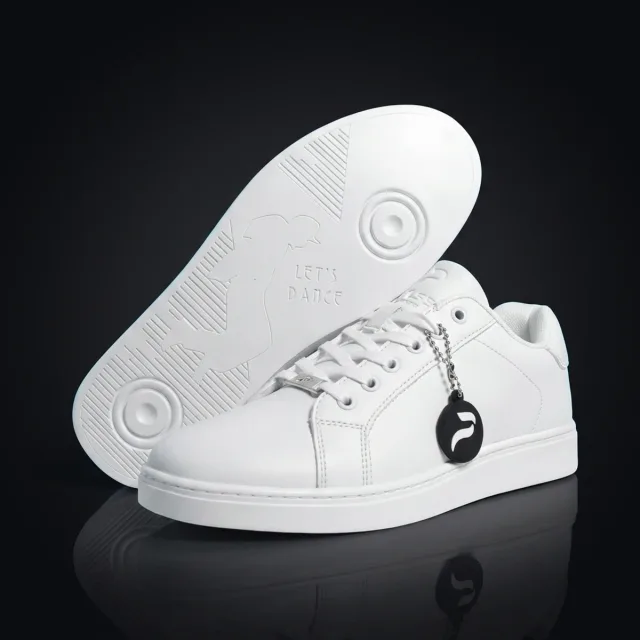

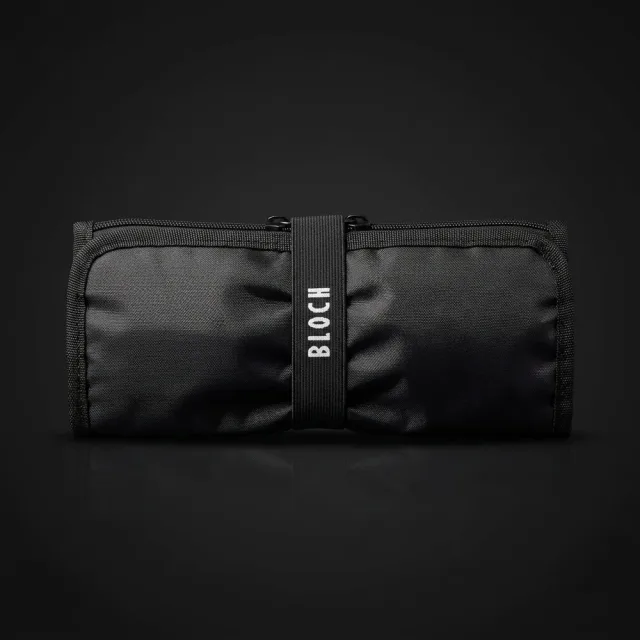
Affiliate link
Workshops and Festivals
Beyond the nightly socials, Barcelona’s scene is punctuated by workshops and festivals that draw dancers from across Europe. While the city is more famous for its massive bachata congresses, specialized salsa events provide a chance for focused learning.
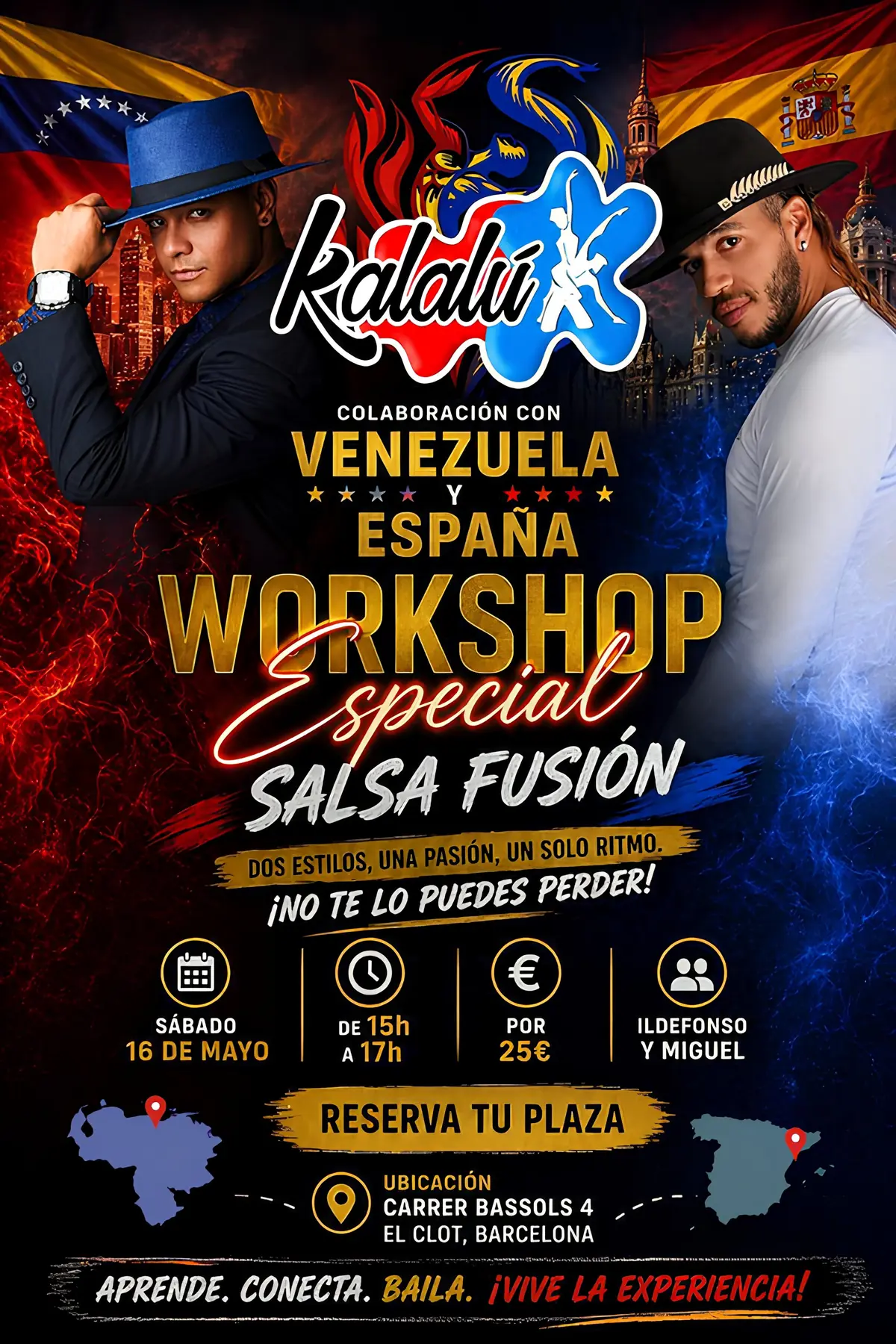
Salsa Fusion Workshop
This intensive workshop on May 16, 2026, focuses on style, flow, and presence. It’s a great example of the high-quality, focused training available in the city, perfect for dancers looking to add a new dimension to their movement before hitting the social floor at night.
From May through September, the city’s dance life spills outdoors. You’ll find pop-up socials at beachside chiringuitos, in public squares, and on hotel rooftops. These events are more ephemeral, so check our salsa events in Barcelona page for the latest listings as you plan your trip.
Planning Your Night
Getting around Barcelona is straightforward. The metro is clean, efficient, and covers all the key neighborhoods. However, it closes at midnight on weekdays and 2 AM on Fridays, while salsa nights often run until 5 or 6 AM. This means you’ll likely be taking a taxi or rideshare home.
Arrive late. Floors don’t get properly busy until after midnight. Dress smart-casual; jeans and a nice top are fine, but leave the beachwear at home. And a practical tip: floors at the big clubs can get sticky from spilled drinks. Bring proper suede-soled dance shoes, our guide to the best salsa dancing shoes has you covered.
For classes to sharpen your skills, several schools offer drop-in lessons:
See this week’s events in Barcelona