At a Glance
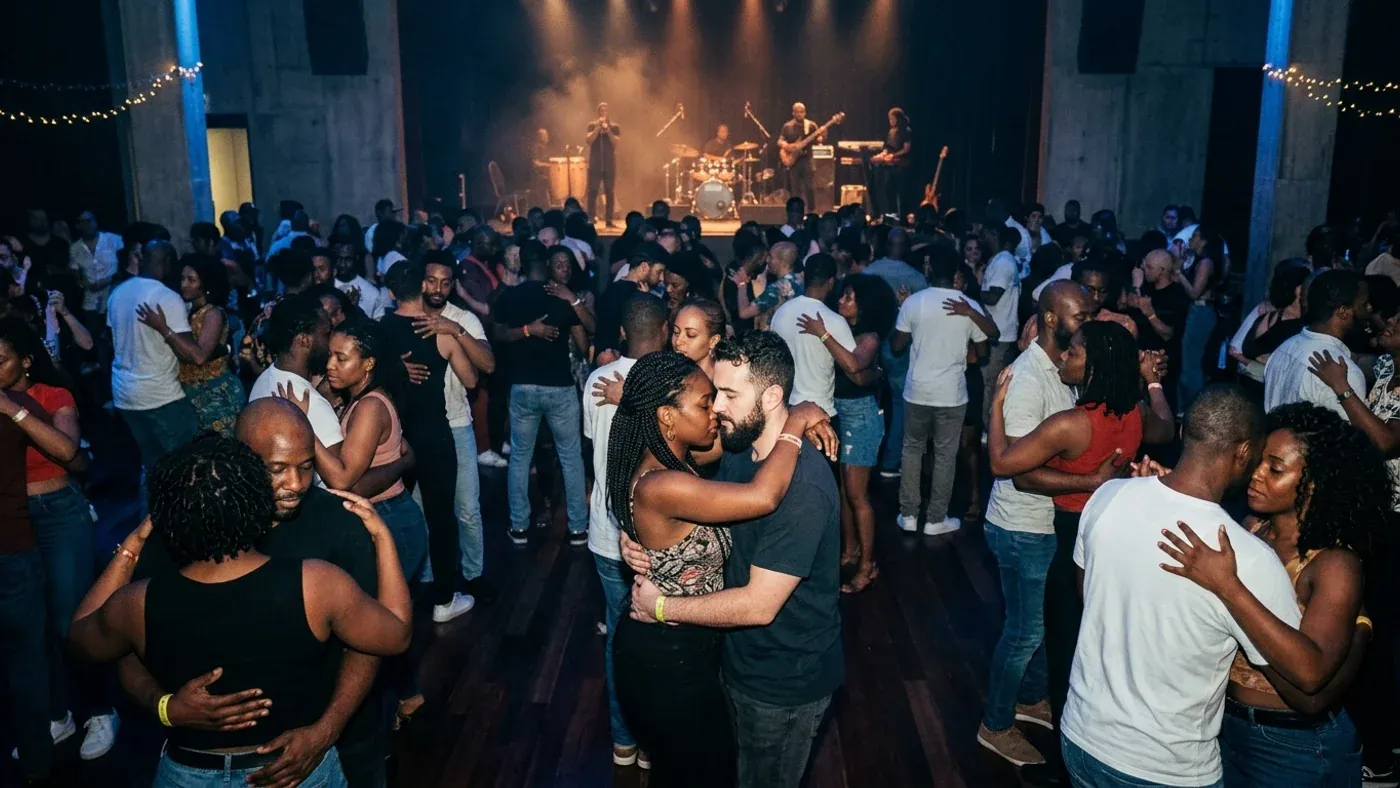
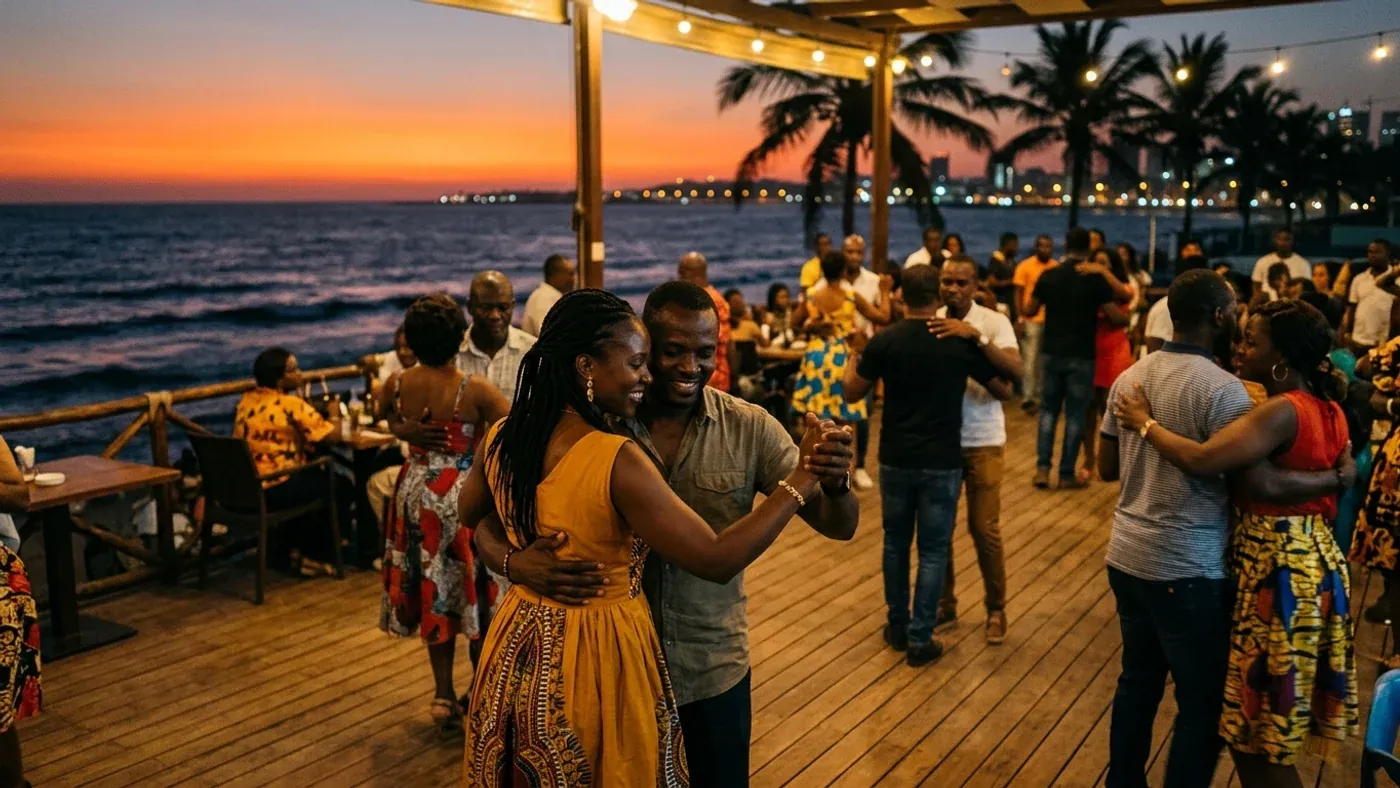
The air on the Luanda Marginal is thick with salt from the Atlantic and the smell of grilled fish. Inside a club, the beat isn’t the hard-edged electronic pulse of a European congress. It’s a living rhythm. A couple moves as one, feet whispering on the floor, a conversation, not a performance.
How Africa Dances Kizomba
To travel for kizomba in Africa is to seek the source. The polished, predictable weekly socials of Europe don’t exist here. Dancing is woven into life: it happens at live music venues, backyard parties (farras de quintal), and weddings. It’s less about a formal scene and more about a cultural pulse. This is a trip for context, not just consumption.
What you find on the floor is a dance tied directly to the music of Angola and Cape Verde. It’s grounded, connected, and deeply musical. Semba, the faster, more playful parent of kizomba, is everywhere. The strict separation between styles that you see in Europe often melts away; here, they are part of the same family.
| City | The Vibe | Best For | The Challenge |
|---|---|---|---|
| Luanda, Angola | The Source. Raw, authentic, inseparable from Semba. | Cultural purists and advanced dancers. | Expensive, requires Portuguese, few listed events. |
| Praia, Cape Verde | The Musical Cradle. Lyrical, fluid, shared with Morna. | Dancers who love musicality and history. | Island logistics, less intense dance scene than Luanda. |
| Maputo, Mozambique | The Southern Beat. Grounded, relaxed, unique rhythm. | Adventurous dancers seeking a less-traveled path. | Smallest scene, requires local contacts. |
The Core Cities: Where Kizomba Lives
Your journey into kizomba’s heartland centers on three capital cities across two continents, each with its own rhythm. They form a triangle of Lusophone culture, connected by history, language, and the evolution of a dance that has captivated the world. From the birthplace in Luanda to the musical wellspring of Cape Verde, this is where you’ll find the dance in its element.
Luanda, Angola
Luanda is not just a destination; it is the origin story. Dancing here means feeling the connection to Semba in every step. The scene thrives in live music clubs on the Ilha de Luanda and through cultural events, not weekly socials advertised to foreigners. For a deeper dive, consider a planned cultural trip like the Angolan Dances Trip in August 2026.
Praia & Mindelo, Cape Verde
Cape Verde gave kizomba its melodic soul. Here, kizomba shares the floor with the nation’s own dances: the soulful Morna and the upbeat Coladeira. The main scenes are in Praia (Santiago island) and the musical hub of Mindelo (São Vicente). For a more structured experience, the island of Sal offers tourist-focused festivals and classes.
Maputo, Mozambique
Maputo offers a different flavor of Lusophone African kizomba. The feeling is relaxed, and the dance is influenced by local rhythms like Marrabenta. The scene is smaller and less documented online, making local contacts essential. It’s a destination for the experienced traveler who wants to connect with a community away from the main international circuit.



Festivals in Africa: Local Beats & Global Gatherings
Internationally marketed kizomba congresses are less common in Lusophone Africa than in Europe. Instead, the rhythm is found in local music festivals, cultural celebrations, and a few dedicated dance trips organized for visitors. North Africa, particularly Egypt, hosts several large Afro-Latin festivals with significant kizomba components, offering a resort-style experience.
For a true cultural immersion, look for events organized by local Angolan groups, which focus on both dance and heritage. In Cape Verde, festivals on the island of Sal cater to European dancers seeking a dance holiday. A unique festival in Cape Town, South Africa, also brings Angolan artists for a closer look at the culture.
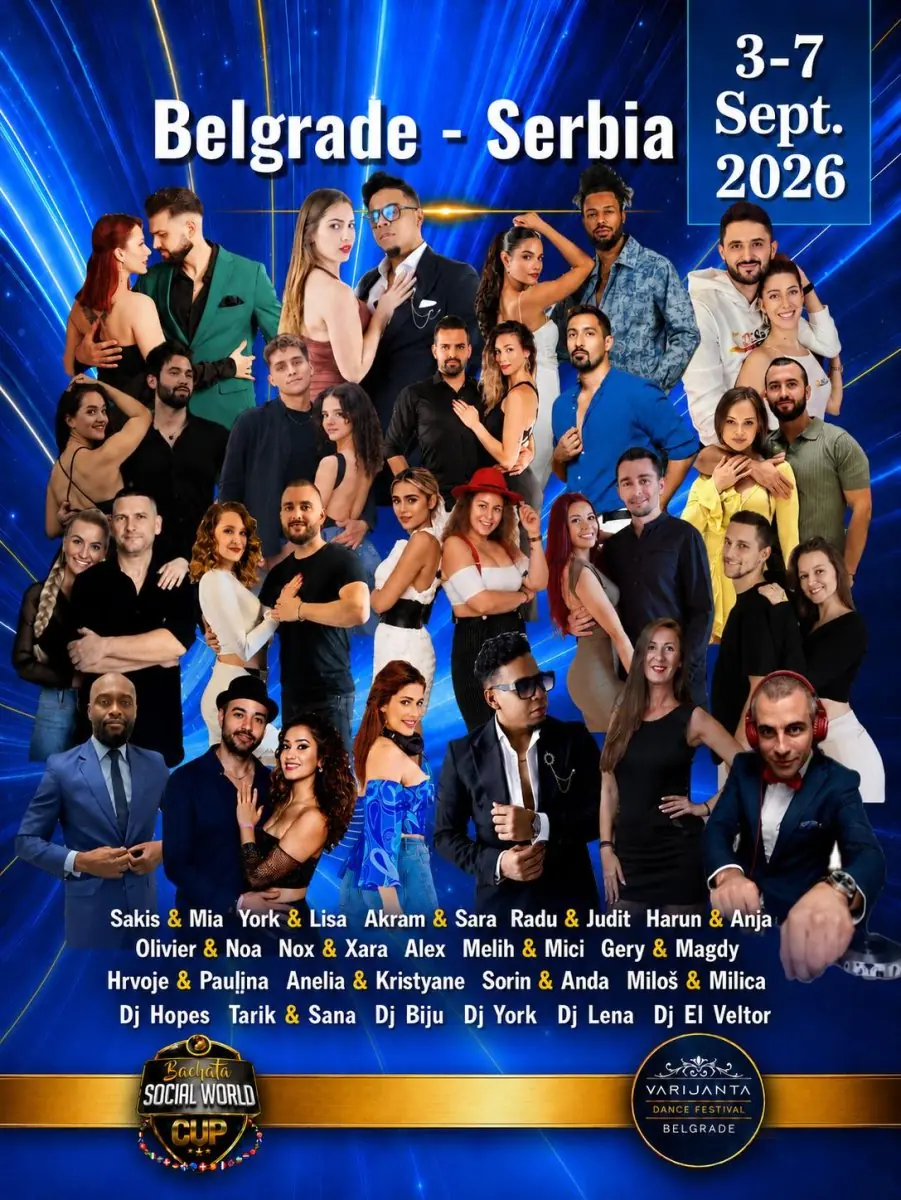
- SEP3Varijanta Dance Festival BelgradeBachataKizomba
- SEP4Finland Latin Festival 4SalsaBachataKizomba
- SEP4
- SEP11MUKUA Festival Paris 2026Kizomba
- SEP15BachaKizz Sensation Holidays – 1 WeekBachataKizomba
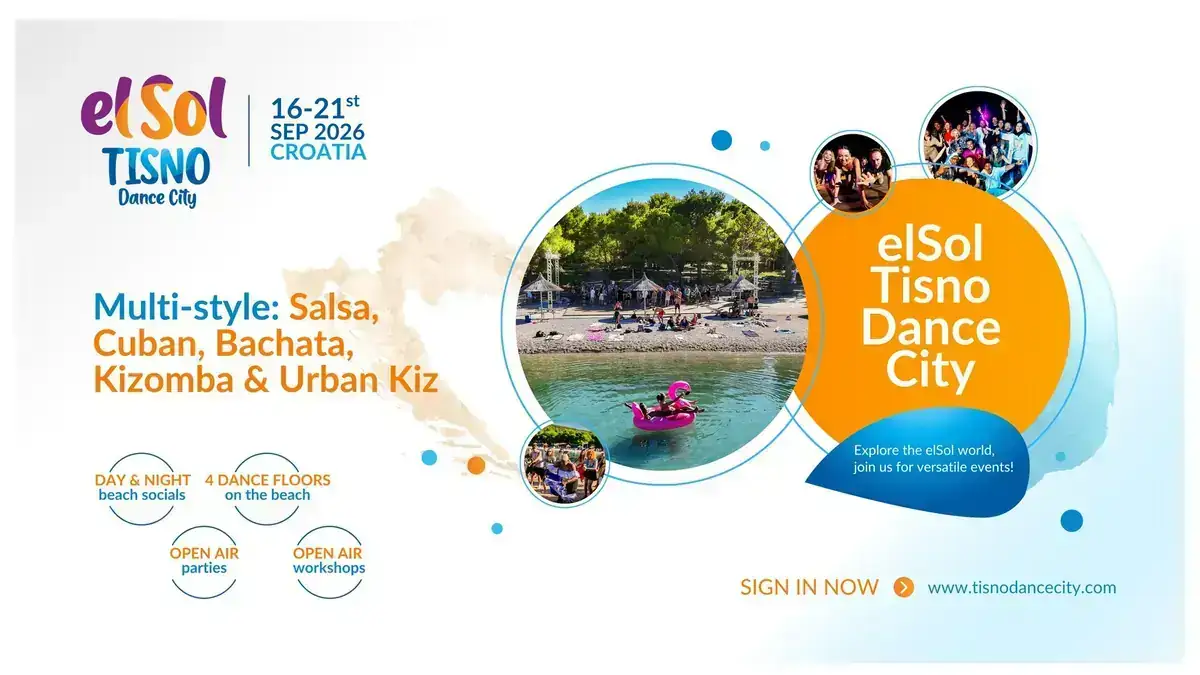
- SEP16El Sol TISNO DANCE CITY 2026BachataKizombaSalsa


How to Plan Your Trip
An African kizomba trip is a pilgrimage, not a package holiday. Success requires a shift in mindset and practical preparation. Start with language. Portuguese is the key to Angola, Mozambique, and Cape Verde; without at least the basics, you will remain on the surface of the culture. Many dancers find it useful to first visit the diaspora communities in Lisbon or Paris to gain context before traveling to Africa.
Logistics are paramount. Visa requirements for Angola have eased for many nationalities, but always verify the latest rules before booking. Luanda is consistently ranked as one of Africa’s more expensive cities, so budget accordingly for accommodation and transport. Above all, travel with humility. You are a guest. Watch, listen, and adapt to the local etiquette on and off the floor. The reward is an understanding of kizomba that no workshop in Europe can provide.
Browse all kizomba festivals