At a Glance
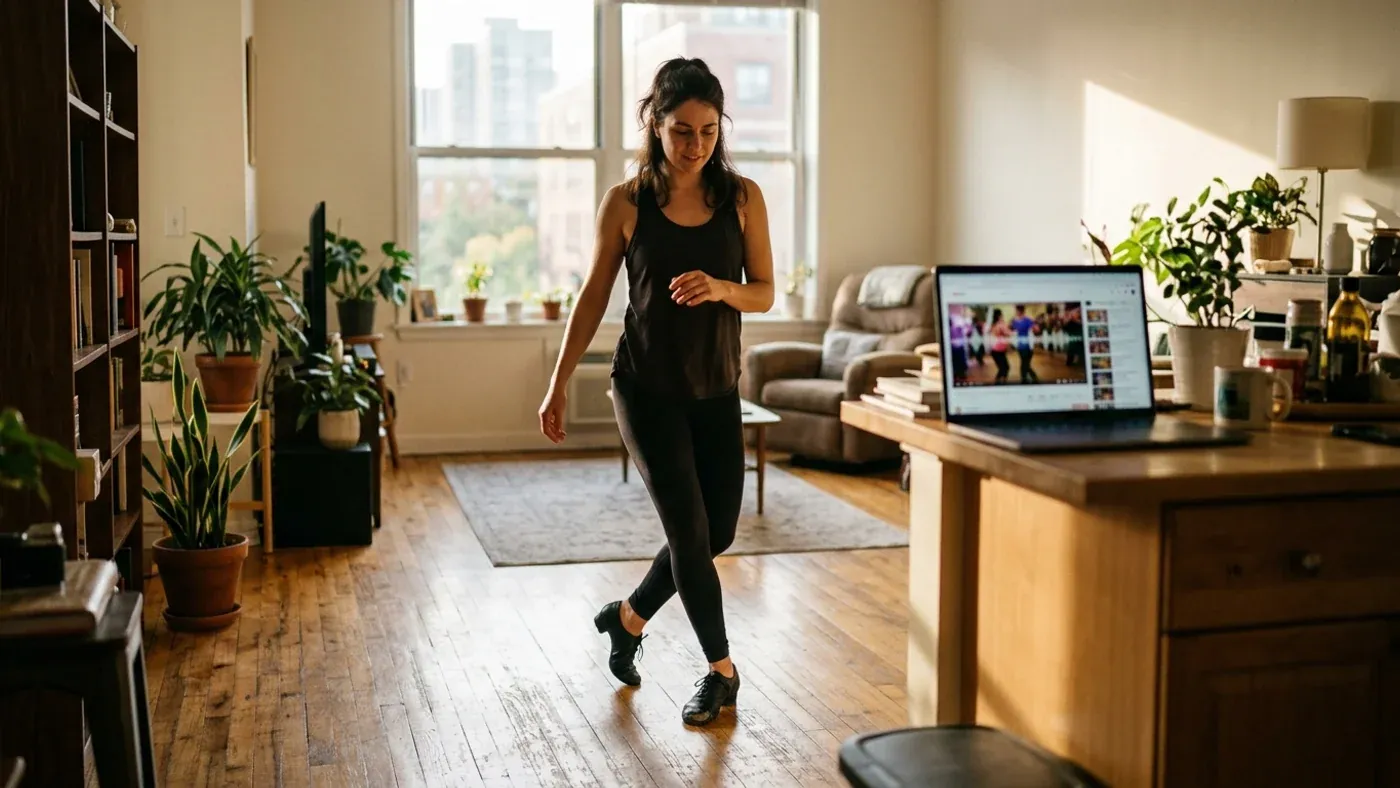
My teacher pulled me aside after class. My footwork, he said, had completely transformed. He asked who I’d been dancing with. The honest answer? My kitchen floor. For three months, thirty minutes a day, I drilled basics and musicality alone. It changed everything about how I show up to socials.
What Solo Practice Actually Fixes
Solo practice is where you build the 80% of skill that makes the other 20%, partner connection, feel effortless. It’s for your timing, your balance in spins, your body movement, and your understanding of the music. Without this foundation, no amount of partner-work will make you a great dancer.
The goal isn’t to replace socials, but to make every dance you have at them count. You fix the mechanics at home so you can focus on connection and creativity on the floor. Think of it as sharpening the knife before you carve. You can find socials to test your skills on our salsa events worldwide page.
| What you can master alone | What you must practice with a partner |
|---|---|
| Basic steps & footwork | Lead-follow connection |
| Timing & musicality | Floorcraft & navigation |
| Spins & turns | Adapting to different partners |
| Body movement & isolations | Social dynamics |
| Styling & shines | Real-time problem solving |
Setting Up Your Practice Space
You need less than you think. Find a clear space, about two meters by two, on a smooth floor. Wood, laminate, or tile is perfect. If you only have carpet, grab a small piece of vinyl flooring or a portable dance floor; it’s a game-changer for letting your feet pivot correctly. Our guide to the best home dance floors has some great options.
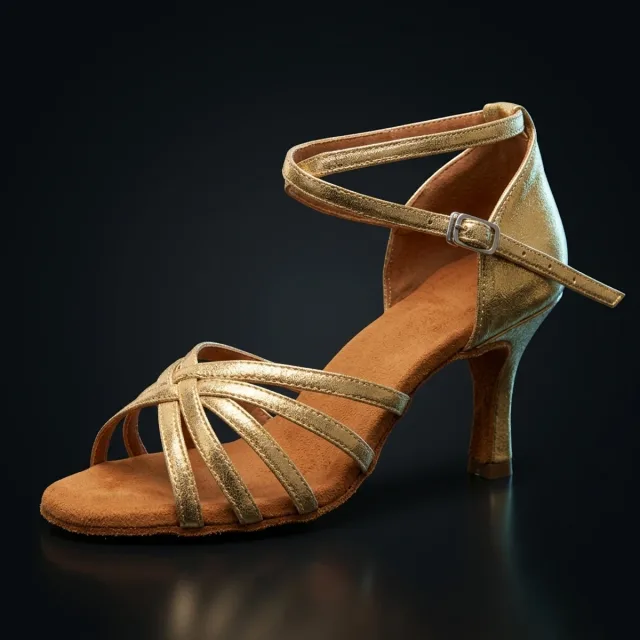
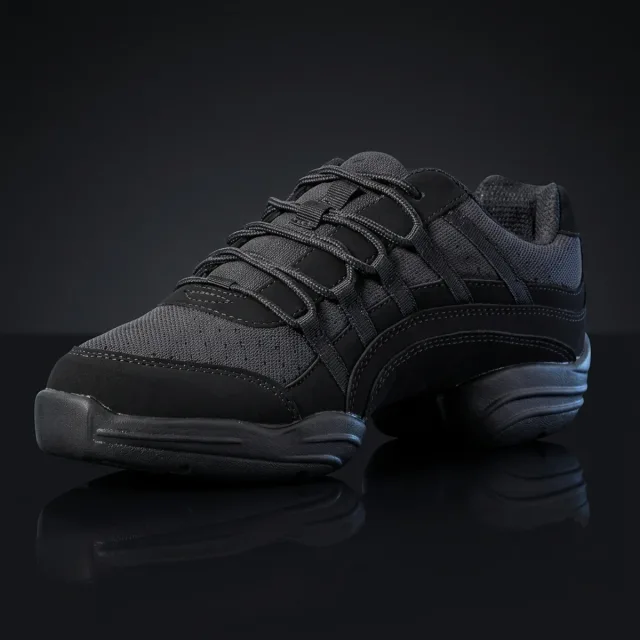
Practice in the shoes you social dance in, your feet need to know the feel. A simple Bluetooth speaker is all you need for music. For feedback, your phone is the most powerful tool you have. Prop it up, record a song, and watch it back. You’ll see what a mirror can’t show you: the full, honest picture.
Practice setup
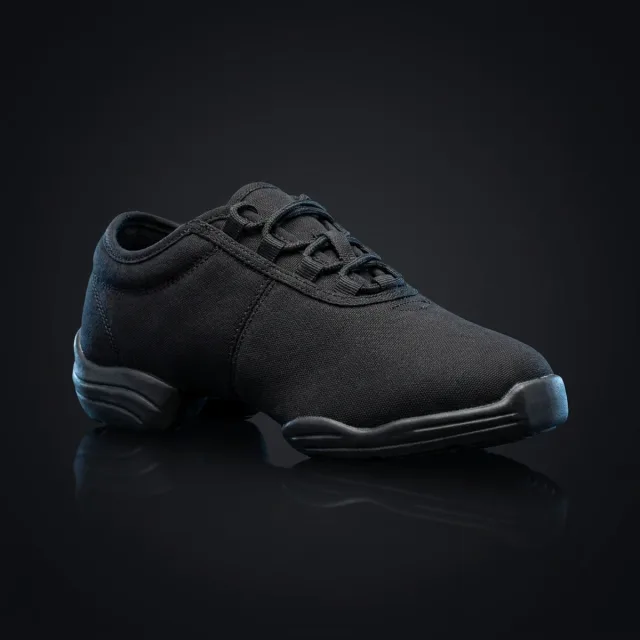
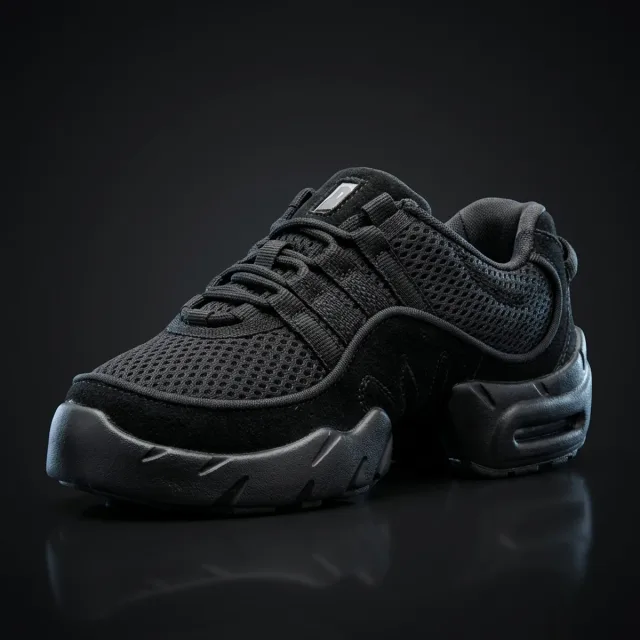
Affiliate link
The Core Solo Practice Menu
This is your foundation. Mix and match these drills into a 20-30 minute session. Consistency beats intensity; a little bit, most days, is what sparks real progress. This approach will make you a welcome dancer in any scene, from the high-level socials in New York to the friendly floors of Berlin.
The Basic Step, Clean and Slow
Put on a mid-tempo salsa track and close your eyes. For one minute, just feel the weight transfer: forward, replace, back, pause. Back, replace, forward, pause. Each step must be a full weight transfer. You should be able to lift your non-weight-bearing foot easily at any point. This single drill, done daily, cleans up everything.
Cuban Motion & Body Rolls
This is what makes salsa look like salsa. It’s not about forcing your hips; it’s a natural result of your weight transfer. Stand with feet together, and shift your weight from a bent leg to a straight leg. The hip on the straight-leg side will naturally drop. Practice this slow, letting the motion ripple up your body. For a deeper dive, our guide to salsa styles breaks down the movement.
Shadowing Patterns
Imagine a partner in front of you and lead or follow a cross-body lead. Leads, feel the frame you’d create and the path you’re opening. Follows, trace the path, keeping your own balance and posture. Practice the footwork until it’s automatic. This builds the muscle memory you need so you’re not thinking about your feet during a real dance.
Nailing Your Spins
Spins are all about a stable core and spotting. Pick a spot on the wall and keep your eyes on it as you turn, whipping your head around at the last second. Start with a single, controlled rotation. Focus on staying vertical, no leaning. Practice on both legs. Good balance in your solo spins is what makes you a dream to turn on the social floor.
From Mechanic to Musician
Great dancers don’t just execute steps; they interpret the music. This is musicality, and you can build it right in your living room. It’s the difference between hearing the beat and truly feeling the song.
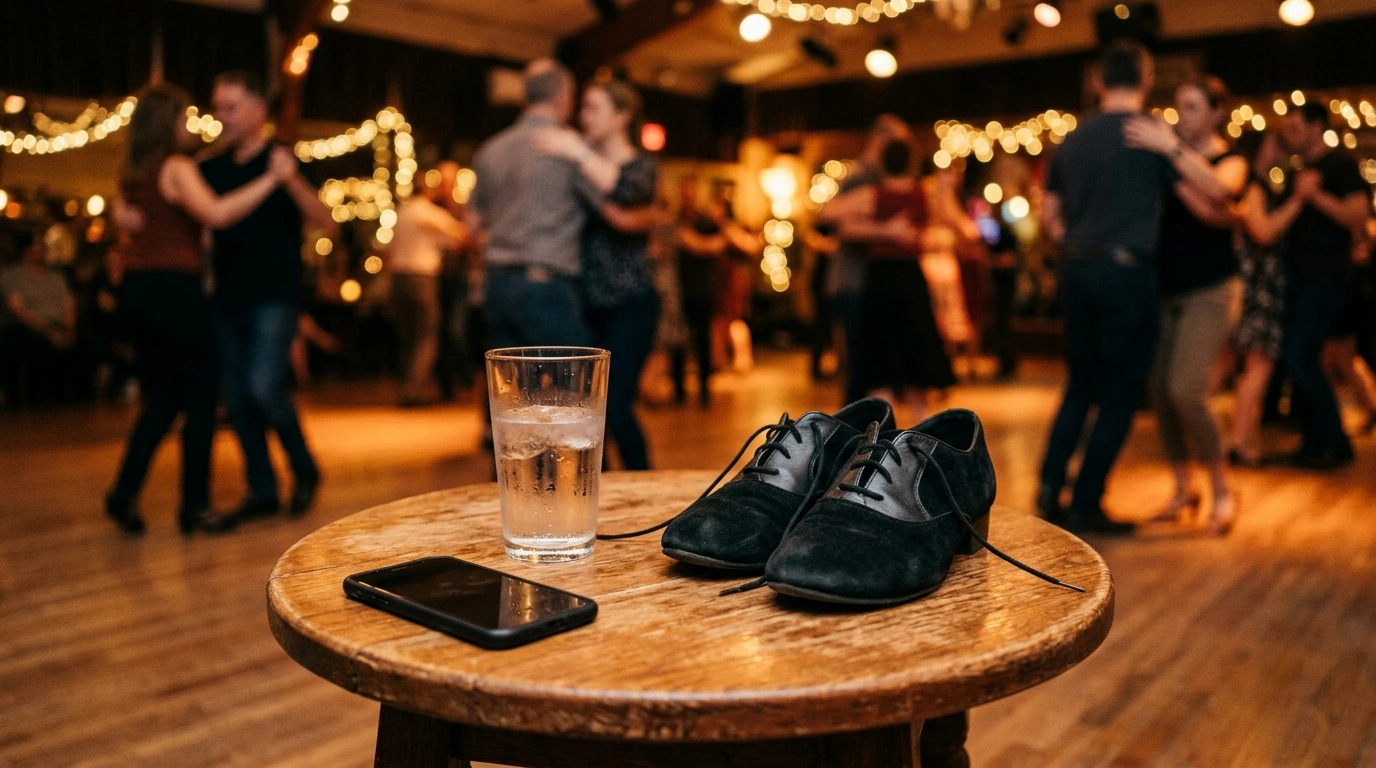
Start by actively listening. Play a song you love three times. First, just listen. Don’t move. Identify the instruments, the breaks, the changes in energy. Second, tap out the clave rhythm. Third, dance only your basic step, trying to match your energy to the song’s dynamics, step bigger in the chorus, smaller in the verse. This simple exercise retrains your ear.
Building a Habit That Sticks
A simple schedule makes practice automatic. Try 20-30 minutes of technical drills (basics, spins, patterns) on Monday, Wednesday, and Friday. On Tuesday and Thursday, focus purely on musicality with the listening drills. Then on the weekend, take what you’ve learned to a social and just enjoy it.
If you travel, you don’t have to stop. Practice basics in your hotel room. Walk through the airport in salsa timing, nobody will notice. Use the flight to do your active listening practice. The dancers who improve fastest are the ones who find these small moments. It all adds up, ensuring you return to your home scene sharper than when you left.
The myth is that you need a partner to improve. The reality is that the fastest growth happens when you combine focused solo work with consistent social dancing. You fix the things at home that partners are too polite to mention. You build a foundation so solid that when you finally take someone’s hand, all you have to think about is the music.
Browse salsa events worldwide