At a Glance
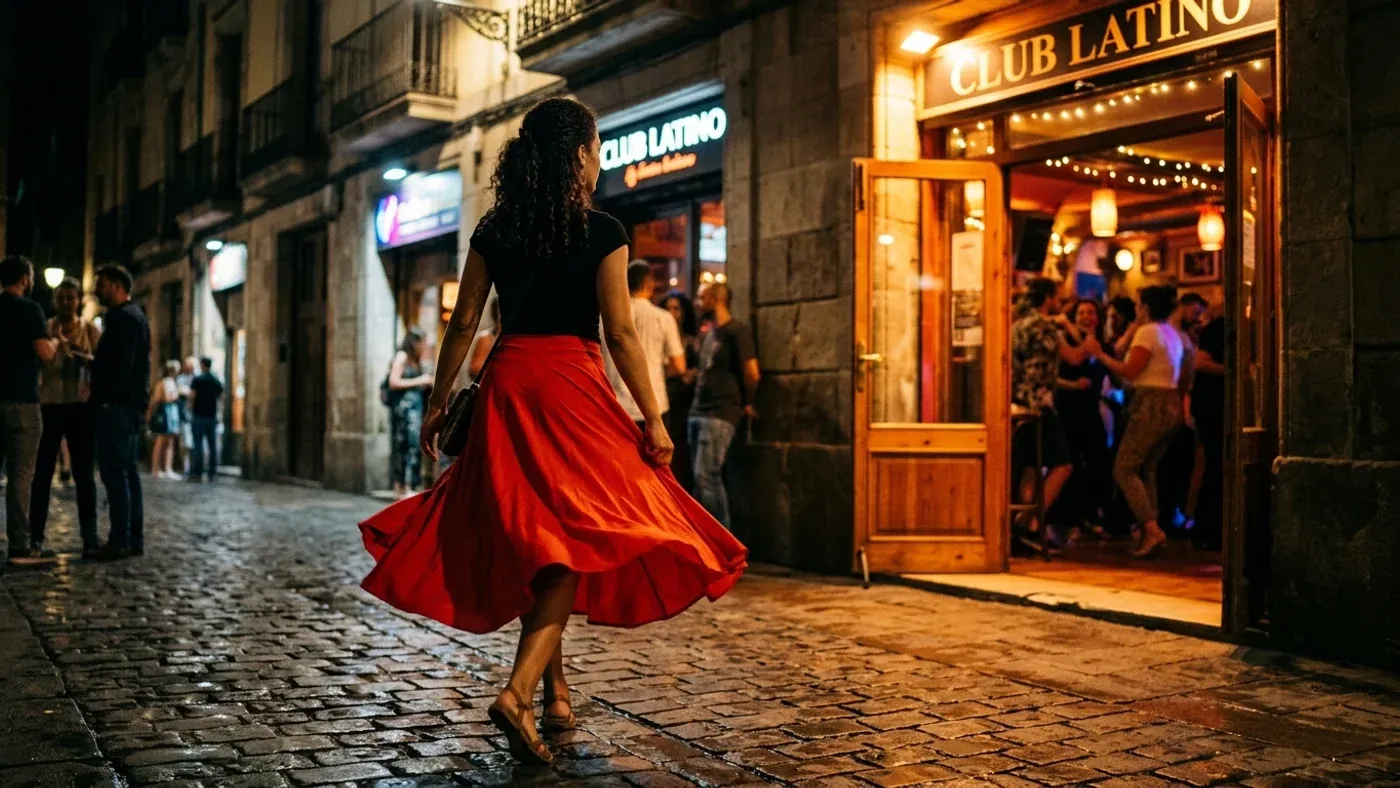
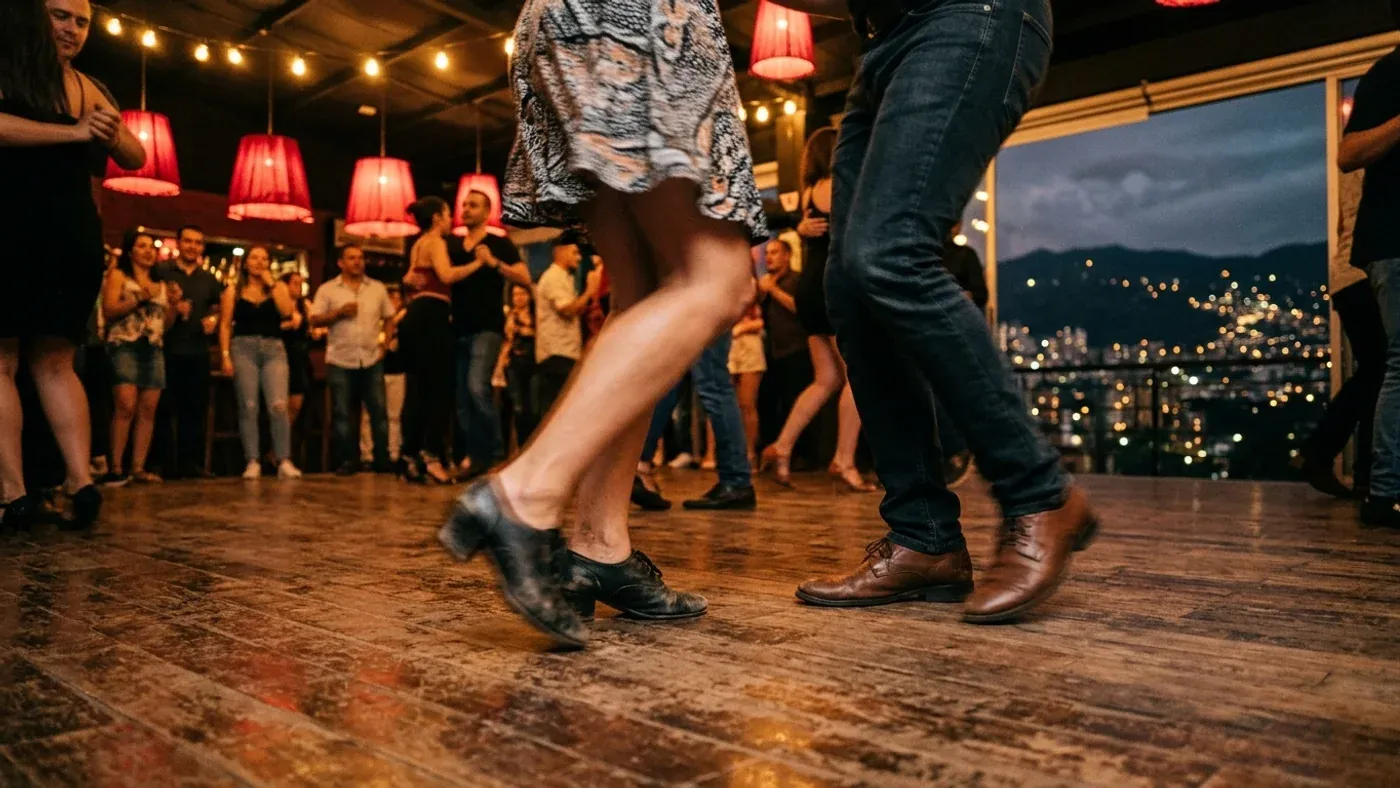
The cowbell hits, horns flare, and the floor ripples in quick footwork as a singer calls coro from the tiny stage. It is Tuesday, the room breathes with clave, and a stranger taps your shoulder. Medellín starts like this.
How Medellín dances
Medellín trades megaclubs for neighborhoods. Laureles is the locals’ playground on La 70 and Avenida 33, El Centro delivers live orchestras in compact rooms, and El Poblado’s schools keep tourists moving before they graduate to the bars. The pulse is Colombian salsa, fast feet and tight rhythm, more conversation than spectacle.
Expect a circular feel, close connection, and leaders who improvise off tumbao rather than counting out loud. Linear On1 and Cuban rueda surface at school socials or mixed-format nights. If you want a style refresher before you land, skim our plain-language breakdown in Salsa Styles Explained: Cuban vs. LA vs. NY, then scan real listings on Salsa events worldwide and the local feed for salsa in Medellín.
Where to dance
If you felt that coro above, you are already halfway to Laureles. From there, El Centro’s classic rooms are a cheap ride away, and Poblado’s studios fill any gaps in your timing.
| Venue | Best night | Cover | What it is |
|---|---|---|---|
| Son Havana | Thu–Fri | varies | Laureles bar, weekly live salsa |
| El Tibiri | Fri | varies | Basement salsa den on La 70 |
| El Eslabón Prendido | Tue–Thu | COP 10k–20k | El Centro live orchestra bar |
| Dancefree (social) | Most nights | COP 15k | Poblado school social, 2 rooms |
Son Havana anchors Laureles. Live bands and tight floors bring a serious dance crowd by late evening, and Thursdays are reliably strong. It sits off La 70, close to cheap arepas and late taxis. Two kilometers away, El Tibiri packs a low-ceiling basement with purists who come to sweat through classic timba, boogaloo, and guaguancó.
El Centro offers the city’s cheapest ticket to goosebump horns. El Eslabón Prendido runs live salsa early in the week, Tuesday being the sweetheart night. Doors open modestly, then by 10 the room hums, bottles of aguardiente clink, and couples carve small circles near the band. If you want a softer landing first, Poblado’s school socials do the warm-up.
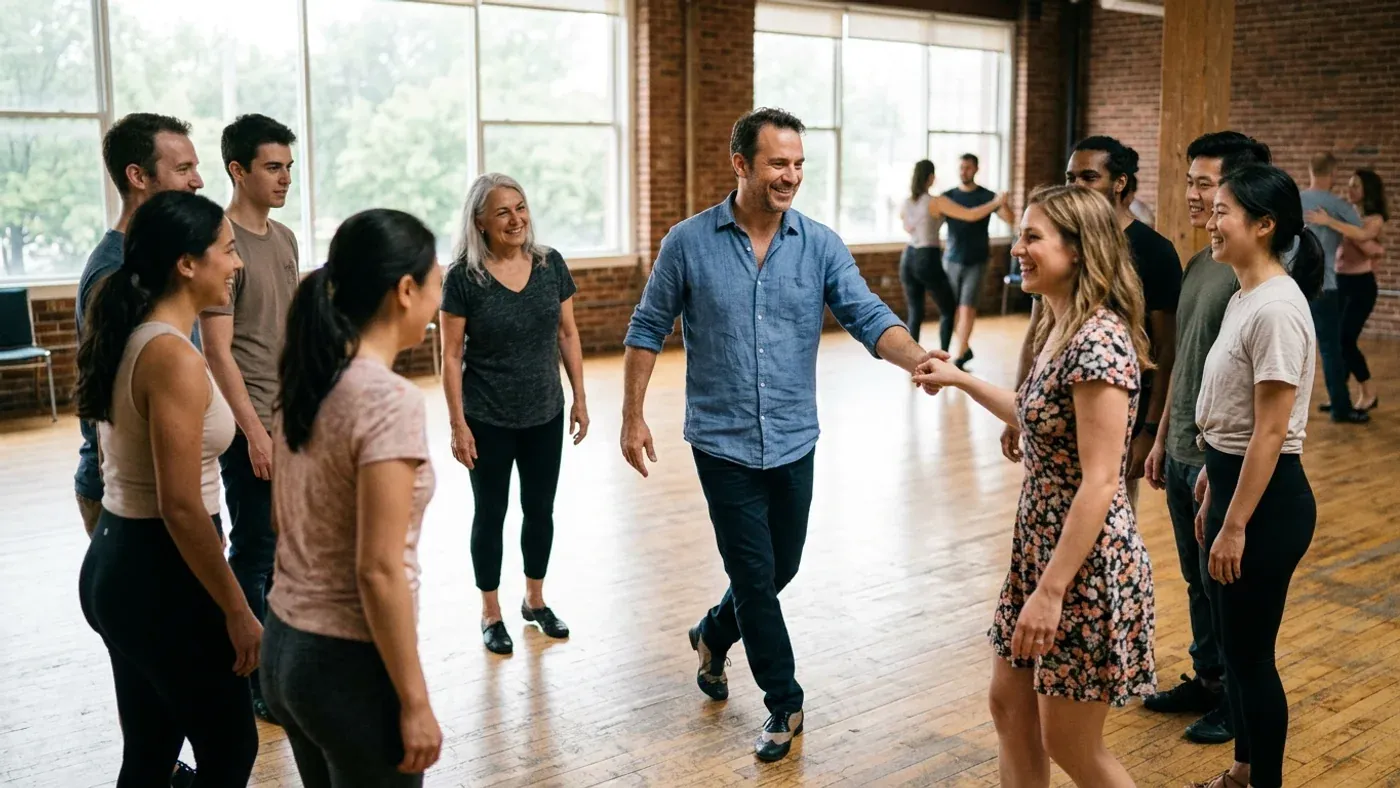
If you need a tune-up or want to meet partners before hitting Laureles, Poblado’s studios run nightly classes that spill into socials.
What to pack for Medellín


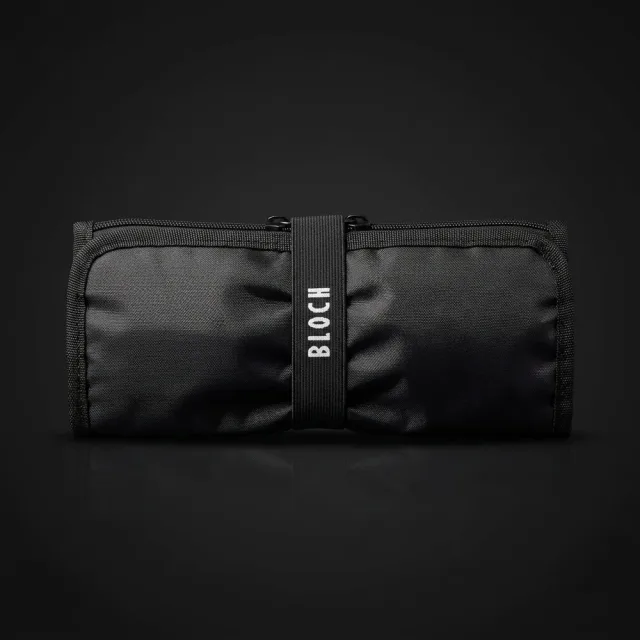
Affiliate link
Festivals worth your weekend
Medellín is a weekly city, not a congress city. That is good news if you prefer real floors over hotel ballrooms. Plan your trip around consistent bar nights, then add school socials for extra reps. For big multi-day events elsewhere in Colombia and beyond, use our global Salsa festival calendar and the master festival index to slot a weekend into your itinerary.
How to plan your night
Timing first. Bars heat up late. Expect the floor to feel alive after 22:30 and peak near midnight. The Metro runs roughly until 23:00 Monday to Saturday, so assume a ride-hail home. Drivers recognize Son Havana, El Tibiri, and Eslabón by name. Outside El Centro venues, request pickups from well-lit corners.
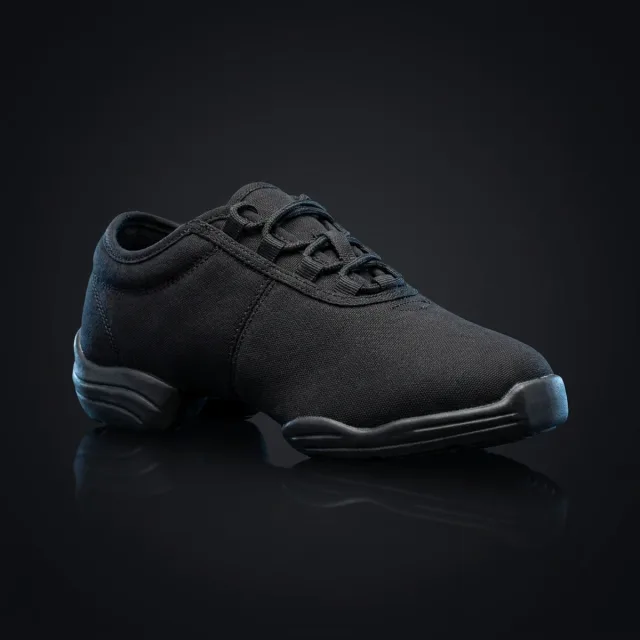
Money and gear next. Covers range 10,000–25,000 COP, with school socials around 15,000 COP. Live bands can push the door a bit higher. Bring small bills. Old-school rooms may not take cards. Shoes with suede or thin rubber are best, since floors vary from tile to concrete and can run slick late.
Finally, link your night together. Warm up at a class in Poblado, cross to Laureles for a Thursday band at Son Havana, then save a Tuesday for El Centro’s balcony view at Eslabón as the horn section takes a solo. To see how Medellín stacks up on a longer trip, compare it with North America’s top salsa cities, slot a beach week from Best outdoor salsa festivals 2026, or plan a winter hop using Warm-weather salsa escapes. If you are still learning, friendly floor picks live in Beginner-friendly salsa cities, and style nerds will enjoy the broader Salsa festivals 2026.