At a Glance
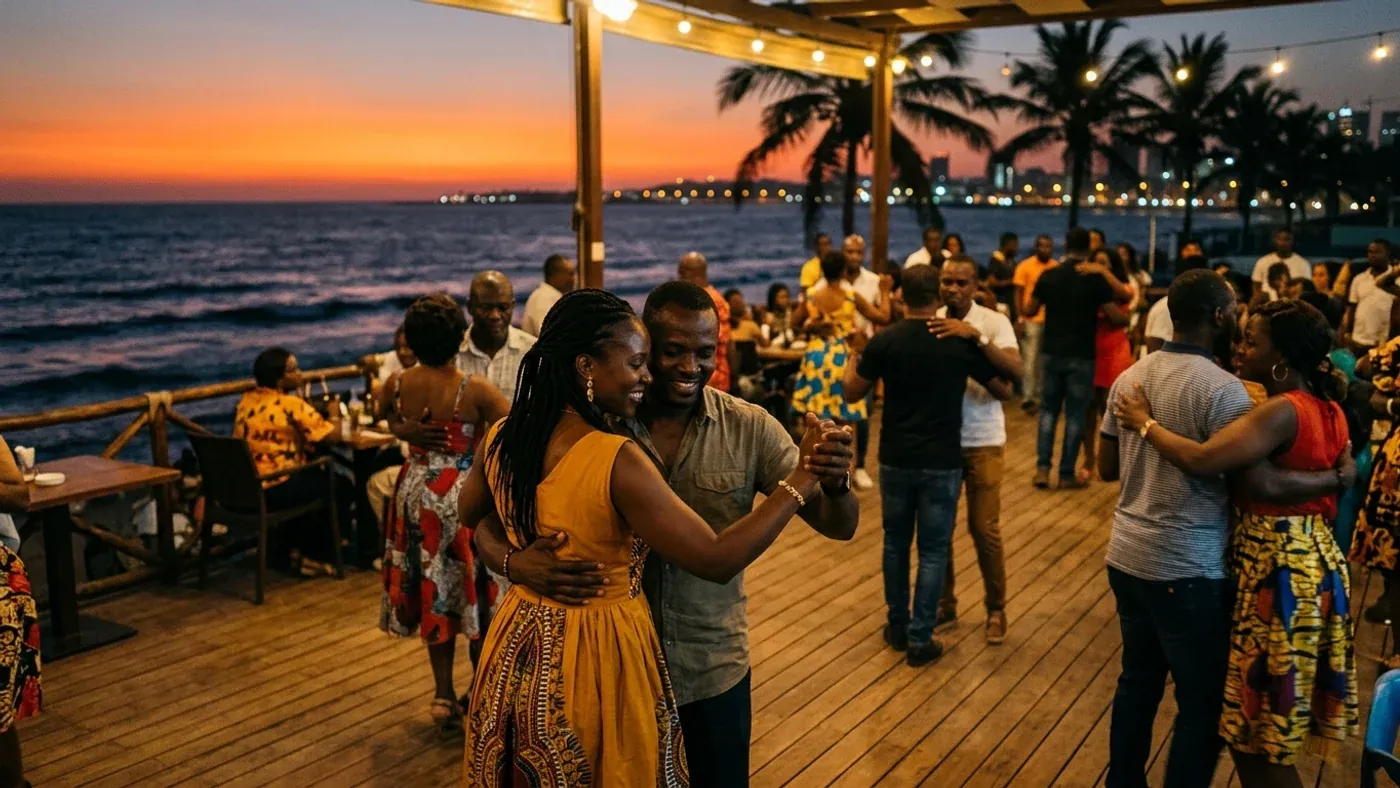
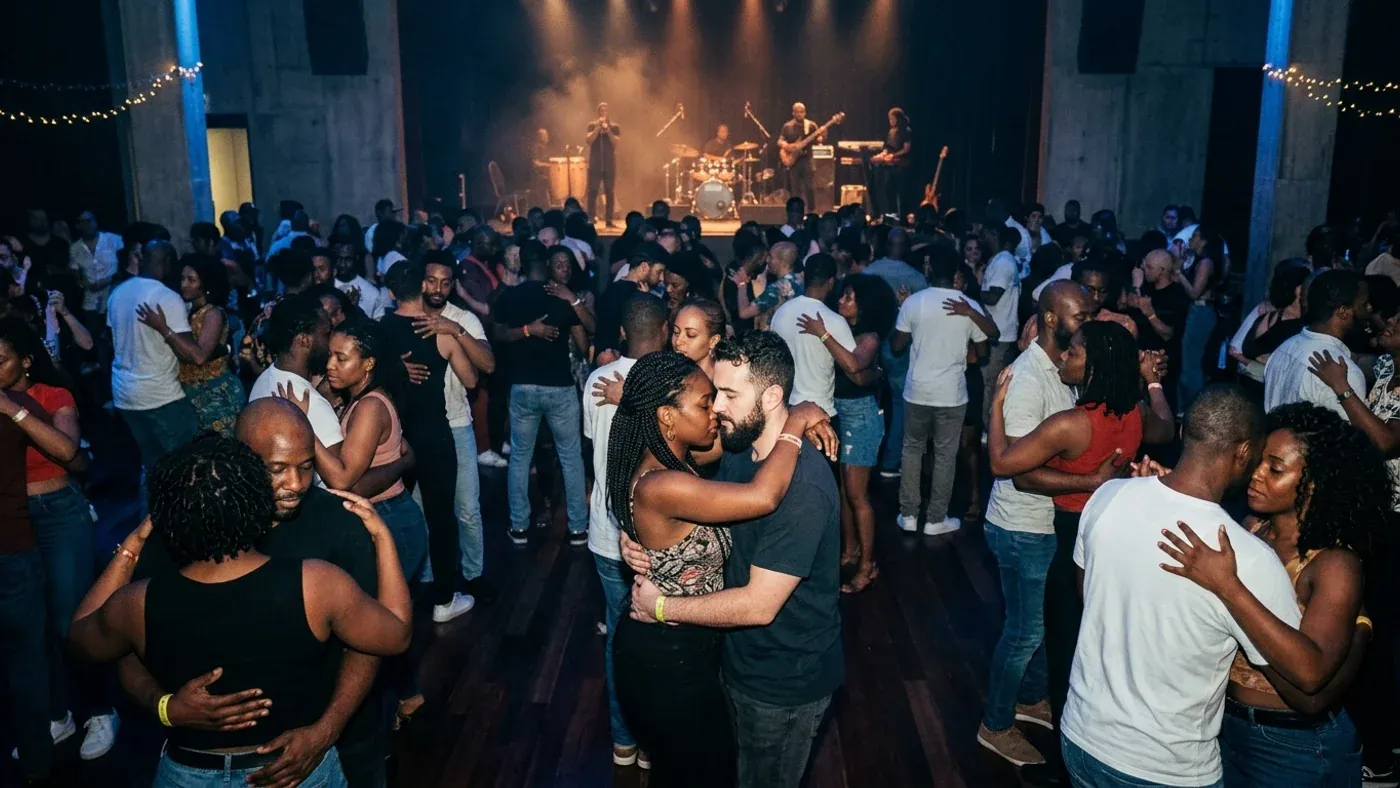
The music was a slow pulse in a dim Lisbon club. Couples moved as one, and I sat frozen for forty minutes, sure I’d made a mistake. Then a man my father’s age asked for one dance. He led a simple walk, said thank you, and that was it. My first step.
What Kizomba Actually Feels Like
Kizomba comes from the Kimbundu word for “party,” but the feeling is the opposite of a wild celebration. It’s a slow, grounded, walking dance born in Angola in the late 70s, blending the steps of Angolan Semba with the cadence of Caribbean Zouk. If you’re used to the spins of salsa or the quick-taps of bachata, kizomba’s stillness will feel radical. The entire conversation happens through the chest-to-chest connection, a quiet dialogue of weight shifts and pauses.
There are no flashy tricks to hide behind. The goal isn’t to perform a pattern but to connect with your partner and the music. This is why it’s so rewarding for beginners: a simple, well-connected walk feels more profound than the most complex combination. It teaches you to listen with your body, not just your ears. It’s a dance of patience, and the payoff is a feeling of pure, meditative flow.
Your First Night: A Practical Playbook
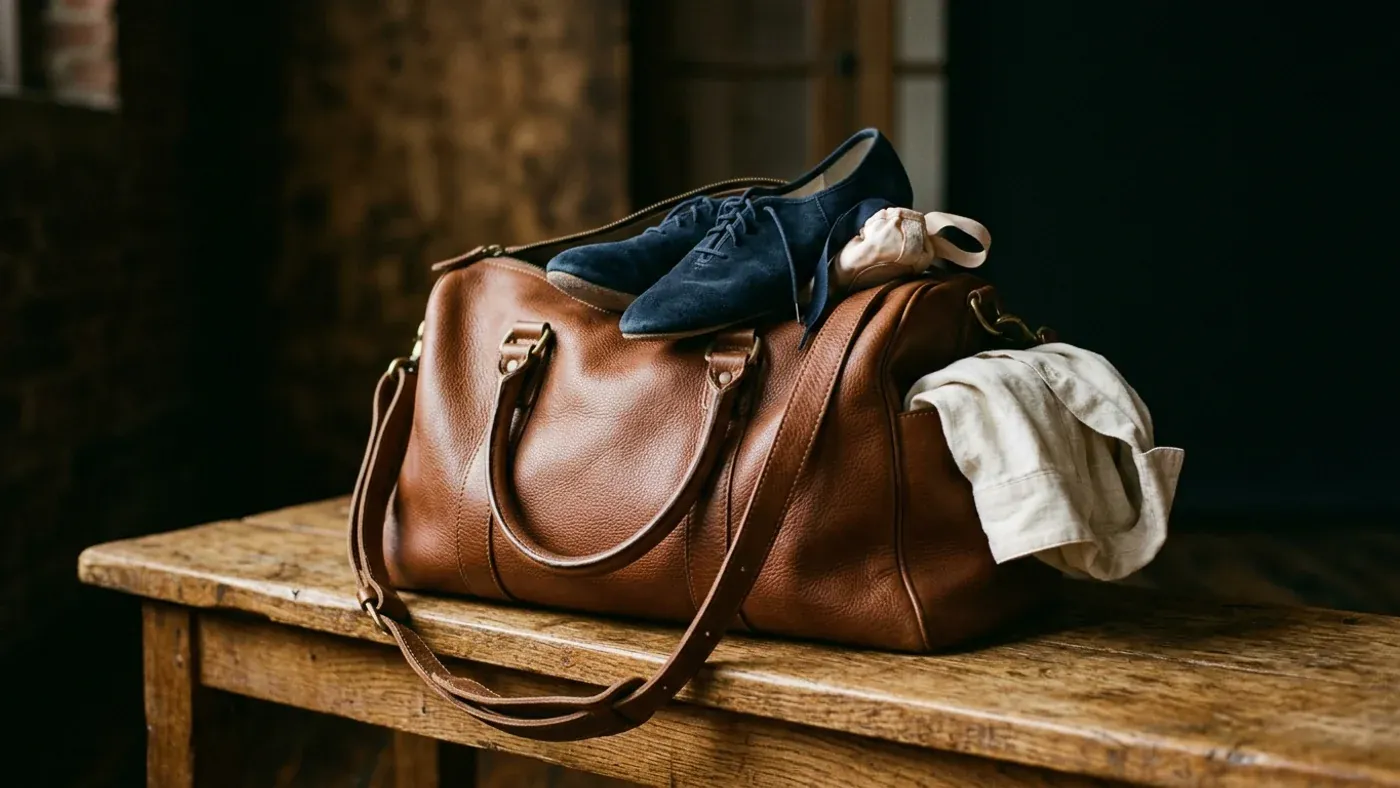
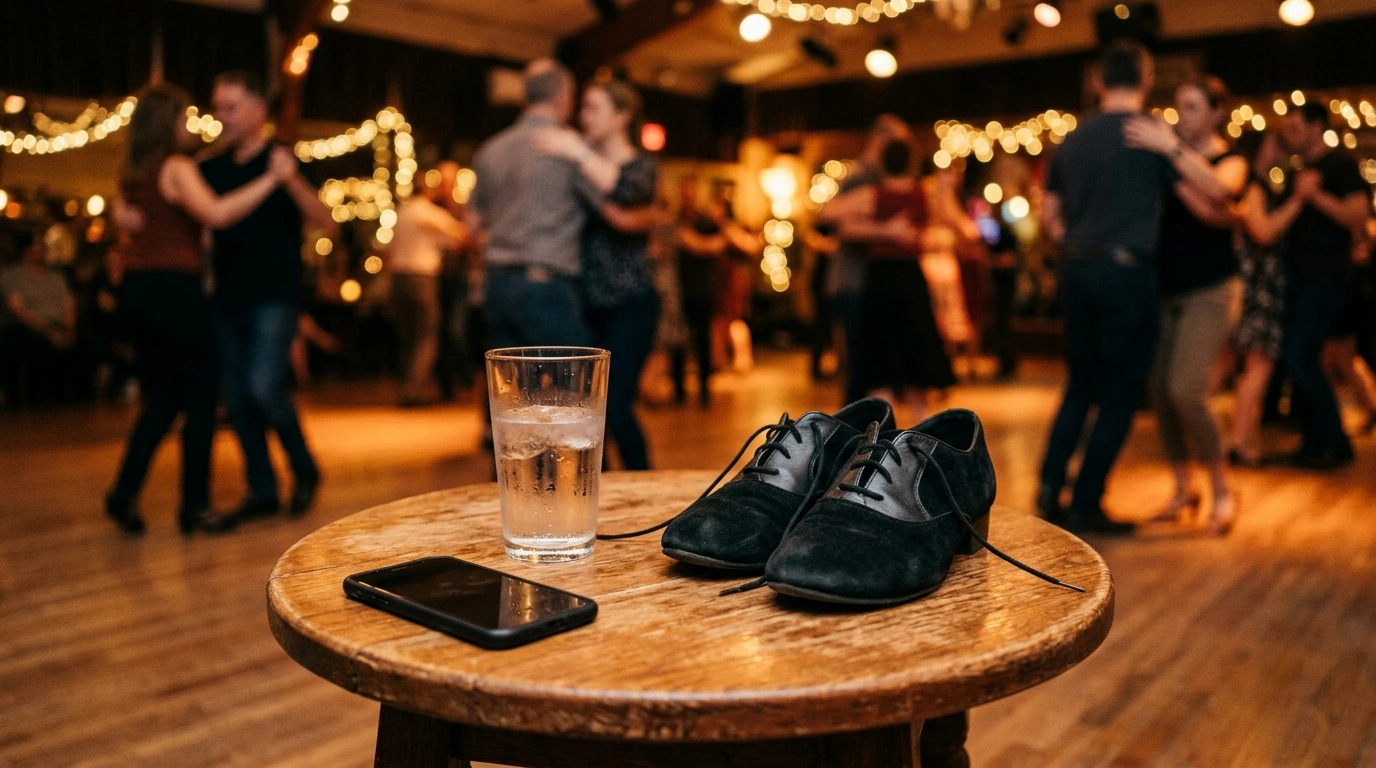
Forget everything else and focus on two things: your shoes and the pre-social class. Your shoes need smooth soles, leather or suede, because rubber grips the floor and makes the essential gliding motion impossible. For clothes, think fitted and breathable; baggy layers can muddle the chest connection that makes the dance work. And basic hygiene is non-negotiable: show up fresh, and pack a spare shirt.
Nearly every kizomba social starts with a beginner class, usually an hour before the main party. Go to this class. It is your single best tool. You’ll learn the basic step, practice with a dozen different partners in rotation, and walk into the social with familiar faces in the room. Showing up cold to an open floor is a recipe for a bad night. The class is your orientation.
| Do | Don't |
|---|---|
| Arrive for the beginner class | Show up late and try to jump in cold |
| Wear smooth-soled shoes | Wear sneakers or anything with rubber grip |
| Ask anyone to dance | Wait to be asked (everyone asks everyone) |
| Say 'thank you' after each dance | Teach or correct your partner on the floor |
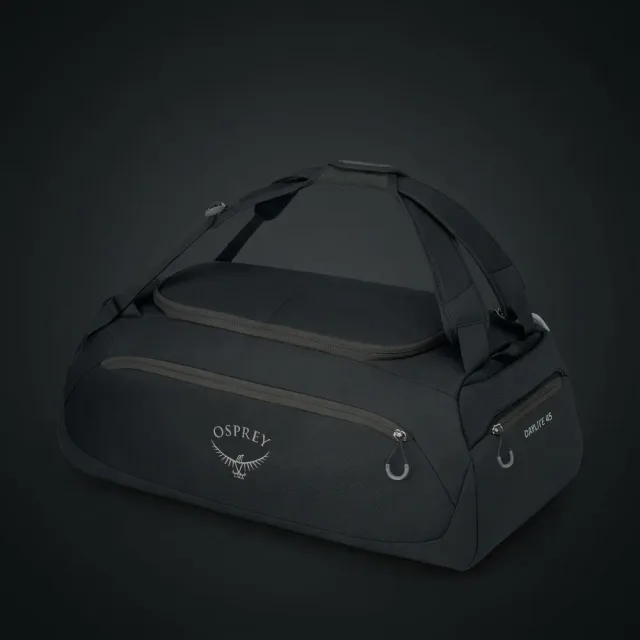
Gear for your first socials

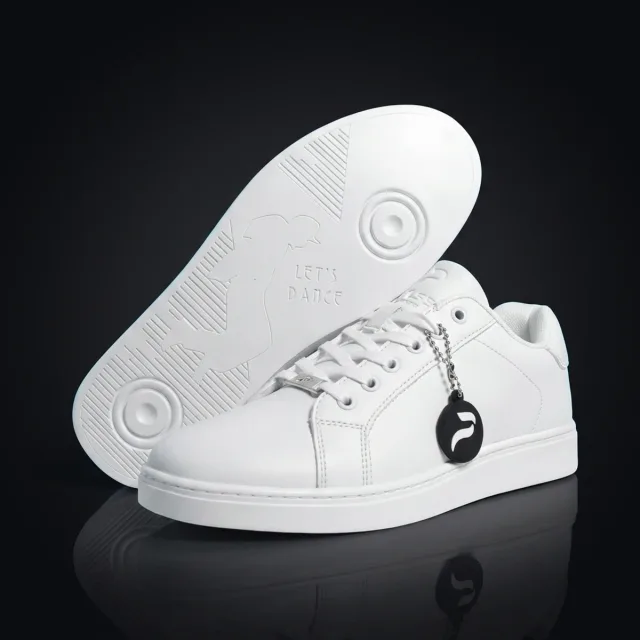

Affiliate link
The Embrace & Floor Etiquette
The chest-to-chest embrace is what makes people nervous, and it’s also what makes kizomba work. It’s functional, not romantic. The connection is how the lead communicates every step, pause, and change of direction. Without it, the dance is just a series of disconnected steps. Your partner isn’t judging you; they’re trying to establish a clear, comfortable connection so you can both enjoy the music.
Social etiquette is simple and universal. To ask, make eye contact and extend a hand. To decline, a simple “no, thank you” is always acceptable, and no one will take it personally. After the dance, thank your partner. The one unbreakable rule: never teach on the social floor. It breaks the flow and makes beginners feel self-conscious. The class is for learning; the social is for dancing. For more on this, our guide to dance floor etiquette covers the unspoken rules.
Where to Find Your First Social
Kizomba thrives in cities with strong connections to Lusophone Africa. The scene in Lisbon is legendary, a direct line to the Angolan and Cape Verdean roots of the dance. Paris has arguably the largest and most diverse kizomba community in the world, with socials for every style from traditional to urban. These cities are the global hubs, but strong, welcoming scenes exist all over Europe.
Look for nights that explicitly advertise a beginner class. This ensures a friendly environment where you won’t be the only one learning. Many multi-room Latin clubs also dedicate a space to kizomba, which can be a great, low-pressure way to start. Below are a few cities with consistent, high-quality socials perfect for a first dance.
Level Up: Your First Festival
After a month or two of weekly socials, a festival is the fastest way to improve. It’s an immersive weekend of workshops with international teachers and three nights of marathon dancing with hundreds of people. The sheer variety of partners and styles will accelerate your learning more than six months of local classes. It’s where you go from knowing the steps to truly understanding the dance.
Don’t rush it, but when you feel your basic step is solid, start looking at the calendar. Europe is the global heartland for kizomba festivals, with major events happening nearly every weekend of the year. Aim for one with a dedicated beginner track to get the most out of your first experience. Our full kizomba festival calendar has events for every level.
- SEP3Varijanta Dance Festival BelgradeBachataKizomba
- SEP4Finland Latin Festival 4SalsaBachataKizomba
- SEP4
- SEP11MUKUA Festival Paris 2026Kizomba
- SEP15BachaKizz Sensation Holidays – 1 WeekBachataKizomba
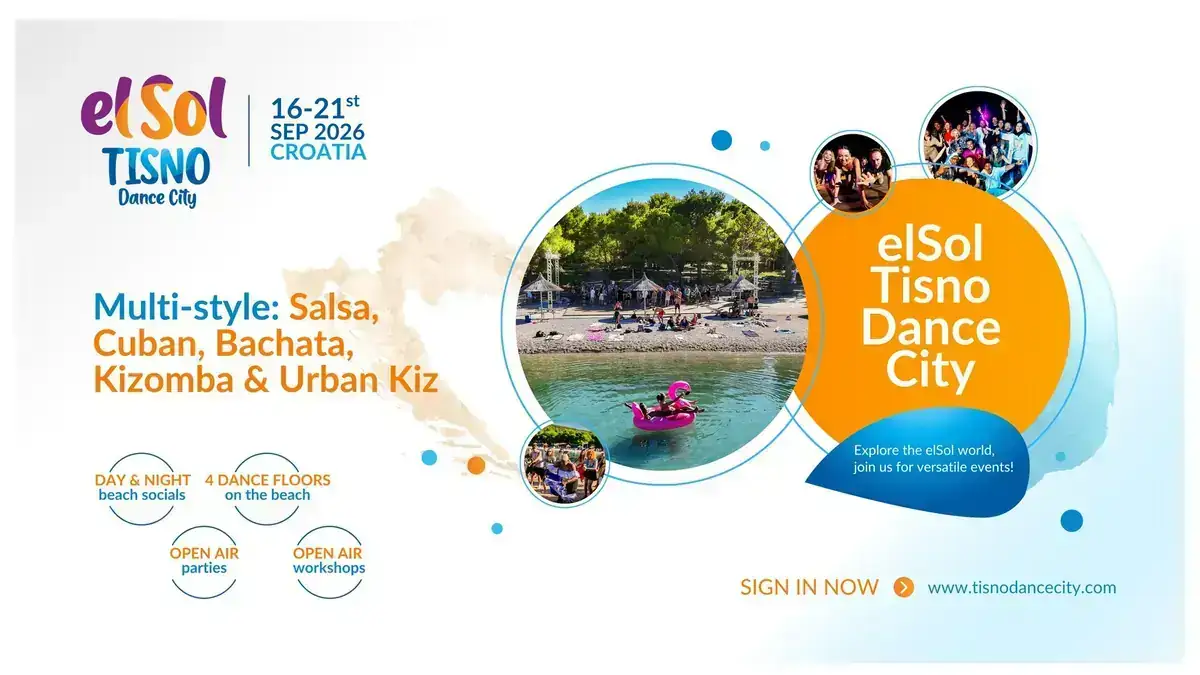
- SEP16El Sol TISNO DANCE CITY 2026BachataKizombaSalsa