At a Glance
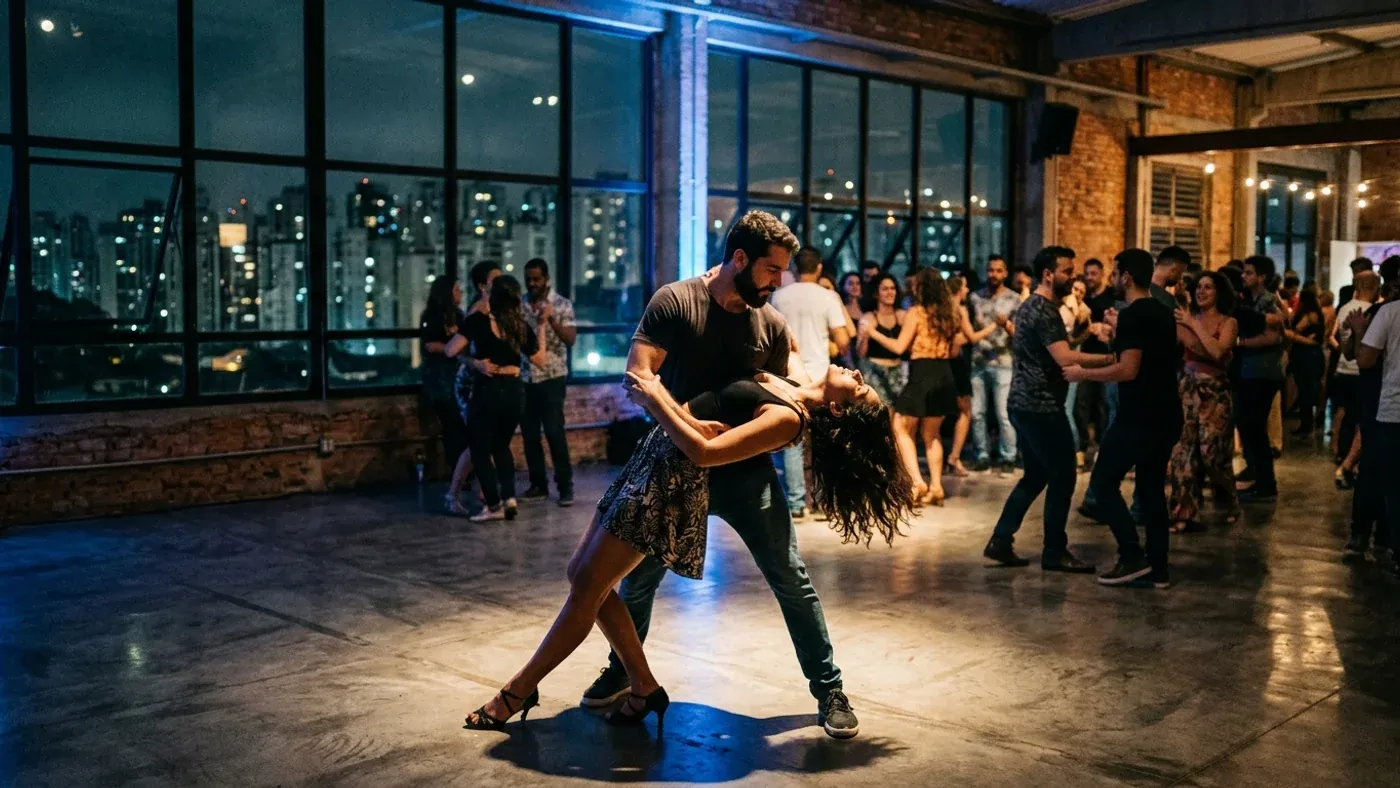
The air in the Pinheiros studio is thick with focused silence, broken only by the instructor’s count and the smooth slide of dance shoes on wood. This isn’t a party; it’s a laboratory. Here, every frame is calibrated, every body roll is drilled for precision. Welcome to São Paulo, the technical engine of Brazilian Zouk.
The Paulista Style: How São Paulo Dances
If Rio de Janeiro is zouk’s soulful heart, São Paulo is its brilliant, analytical mind. The dance scene here was built by a generation of teachers who systematized the movements, creating the workshop-and-congress model that defines modern zouk globally. The result is a style, Paulista zouk, that prioritizes clean technique, structured patterns, and impeccable lead-follow connection.
This technical focus makes São Paulo an unparalleled destination for dancers who want to improve. The city’s dense network of schools offers a structured path from beginner to advanced levels, a contrast to the more organic, social-first scenes elsewhere. For a closer look at the dance’s origins, see our guide to Zouk vs Lambada.
Where to Dance: The School-Centric Scene
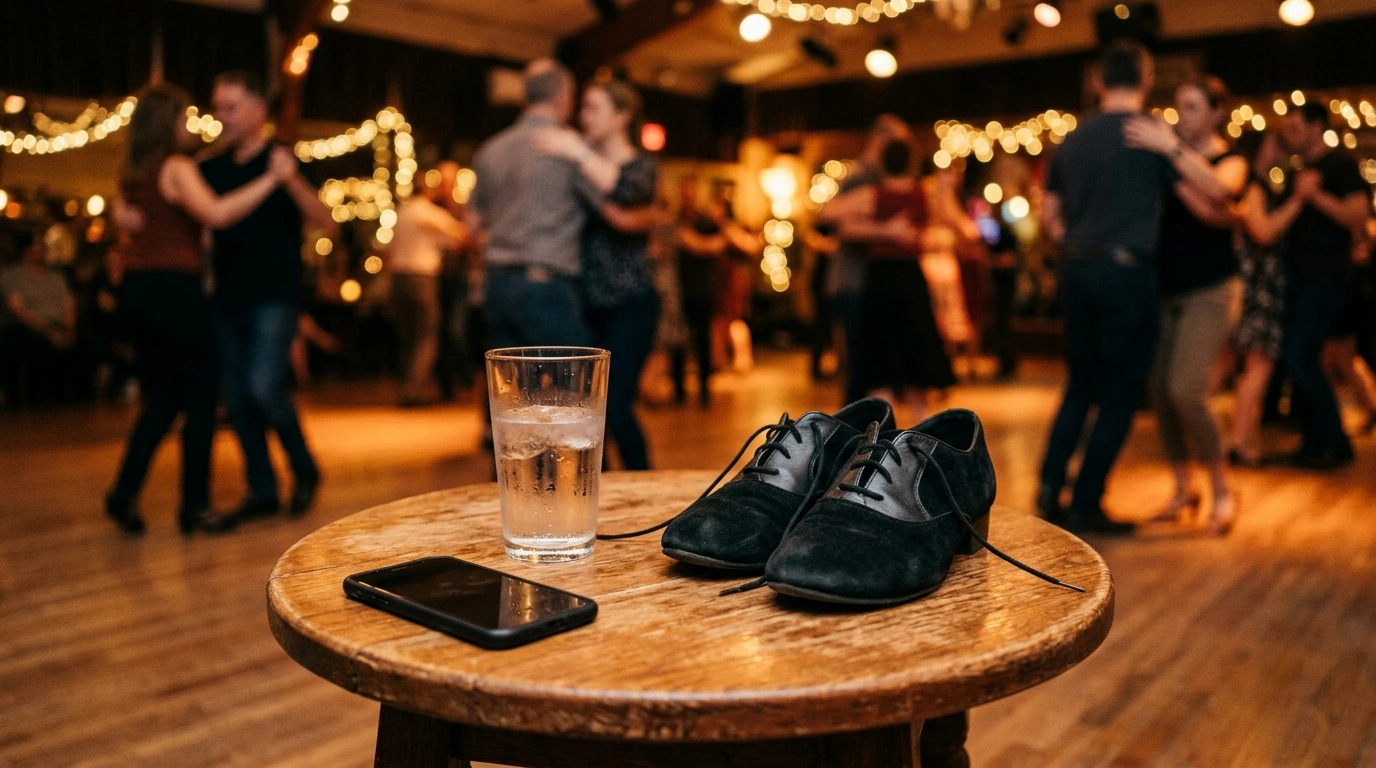
Unlike cities built around nightclubs, São Paulo’s zouk life revolves almost entirely around its dance schools (escolas de dança). These are the institutions that host the weekly practicas and socials, nurture talent, and serve as the community’s primary hubs. Finding the right school is the key to unlocking the city’s scene.
The neighborhoods of Pinheiros and Vila Madalena form the epicenter of this world. They are packed with studios led by internationally recognized instructors. While specific schedules change, you can find socials happening nearly every night of the week by checking the calendars of the top schools. Many of the world’s most influential instructors, like Kadu Pires and Gilson Damasco, have their roots in São Paulo’s rigorous training environment.
| Neighborhood | Vibe | Best For |
|---|---|---|
| Pinheiros | Trendy & Central | Serious training, easy logistics |
| Vila Madalena | Bohemian Nightlife | Balancing dance and social life |
| Moema | Upscale & Residential | Quieter stays near Ibirapuera Park |
| Jardins | Luxury & High-End | Proximity to Paulista Avenue |
While a definitive list of schools is always evolving, a few names consistently anchor the scene. Booking a private lesson or dropping into a group class is the best way to connect.



The Festival Calendar
São Paulo’s position as a global zouk hub is cemented by its calendar of congresses and festivals. These events draw top talent from across Brazil and the world, offering days of intensive workshops and massive nighttime socials. Planning your trip around a major festival is the most efficient way to spend time in the scene.
While many smaller events dot the calendar, several major congresses anchor the year, offering a mix of zouk, salsa, and bachata. The city hosts both dedicated zouk congresses and multi-dance events that feature strong zouk tracks. Always check the latest zouk festival calendar before booking flights.
- AUG27ExB Latin Congress 2026SalsaBachataZouk
São Paulo vs. Rio: A Tale of Two Zouk Cities
From the technical precision of São Paulo, many dancers continue their journey to the birthplace of zouk. The contrast between the two cities is a core part of the Brazilian zouk experience. A one-hour flight connects these complementary scenes, and a well-planned trip should include both. Our guide to zouk in Rio de Janeiro covers the other half of this essential pilgrimage.
Each city offers something the other doesn’t. São Paulo builds your technique; Rio teaches you to let it go and flow with the music. One gives you the tools, the other shows you how to make art with them. For a broader look, see our rundown of the best zouk cities in South America.
| Scene | São Paulo | Rio de Janeiro |
|---|---|---|
| Style | Technical, structured, precise | Musical, improvisational, fluid |
| Focus | Workshops & schools | Socials & practicas |
| Best For | Building strong technique | Developing musicality |
| Vibe | Urban, focused, professional | Beach city, relaxed, soulful |
How to Plan Your Night
A dance trip to this sprawling metropolis requires a bit of logistical planning. Getting around is straightforward with ride-sharing apps, but knowing the local rhythm is key to a smooth experience. Socials often start late, with floors getting busy after 11 PM and parties going until the early morning.
Public transport, including the clean and efficient Metrô, is excellent for daytime travel but generally closes around midnight (1 AM on Saturdays). For late-night returns from a social, Uber or the local 99 app are your safest and most reliable options. Stick to the main dance neighborhoods of Pinheiros and Vila Madalena, which are considered safe and have a high concentration of restaurants and amenities for visitors.
Browse São Paulo Zouk Events